Equipment Financing in Oregon: What Owner-Operators Actually Get
If you run a business in Oregon and need a new or used piece of equipment, financing lets you buy it without draining your operating account. You apply for the full cost of the machine, the lender uses the equipment itself as collateral, and you make fixed monthly payments over a term that typically ranges from 24 to 84 months. Rates vary by credit profile, equipment age and term. Same-day approvals are possible once your documentation is complete.
Provide Capital finances new and used business equipment from $5,000 to $5 million for Oregon owner-operators across the state. That range covers everything from a single commercial oven for a Portland food cart to a full fleet of log trucks for a Douglas County logging contractor. Because the equipment secures the deal, borrowers who might not qualify for an unsecured bank line can still access competitive financing.
How Oregon Equipment Financing Works
The structure is straightforward. You identify the equipment you want to buy—whether from a dealer, a private seller or an auction—and the lender evaluates your business credit, time in operation and the asset itself. The equipment acts as collateral, which keeps rates competitive compared with unsecured borrowing. Once approved, the lender either pays the seller directly or reimburses you if you have already purchased the unit. You take immediate possession and begin using the equipment to generate revenue while paying it off over time.
Most Oregon borrowers fall into two camps. The first is the established contractor or manufacturer replacing a worn-out asset. The second is the growing business adding capacity. Both groups benefit from the same collateral-backed structure, though established businesses with longer track records and stronger credit profiles typically see the most favorable terms. Startups and new businesses face tighter scrutiny and may need a larger down payment or additional guarantors.
Oregon's business landscape, detailed in U.S. Census Bureau data, spans everything from coastal fishing operations to high-tech manufacturing in the Silicon Forest.
Key Insight: Oregon's timber industry drives a secondary equipment market that peaks in late fall after wildfire season ends. Logging contractors who wait until October to shop for used feller bunchers or skidders often find significantly more inventory in the Willamette Valley and southern Oregon auction yards compared with midsummer, when fire restrictions keep machines in the woods longer.
What Oregon Industries Finance
Oregon's economy is more diverse than its reputation for timber and craft beer. Equipment financing shows up in nearly every sector, from hazelnut orchards in the Willamette Valley to semiconductor fabrication plants in Washington County.
Forestry and Logging
Timber remains Oregon's signature industry. Independent loggers, sawmills and reforestation crews finance feller bunchers, skidders, knuckleboom loaders and chip trucks. The work is seasonal and weather-dependent, so many forestry borrowers prefer terms that match their cash-flow cycles. Financing Forestry Logging equipment financing through a lender that understands collateral values for used machines is critical, because a five-year-old processor depreciates differently than a highway tractor.
Agriculture and Food Processing
Oregon agriculture generates billions in annual sales. Nurseries and greenhouses lead the state in agricultural receipts, followed by cattle, dairy, wine grapes, hops, pears, berries and hazelnuts. Farmers finance tractors, harvesters, irrigation systems, coolers and processing line equipment. A hop grower in the Yakima Valley border region might finance a used combine, while a Willamette Valley vineyard owner finances a new pneumatic grape harvester. Food processors in the Columbia River Gorge finance packaging lines, blenders and refrigeration equipment to meet demand from Portland's restaurant scene.
Construction and Contracting
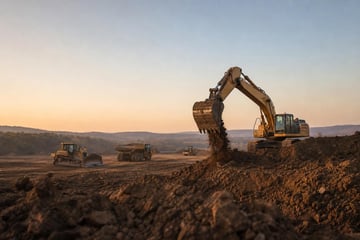
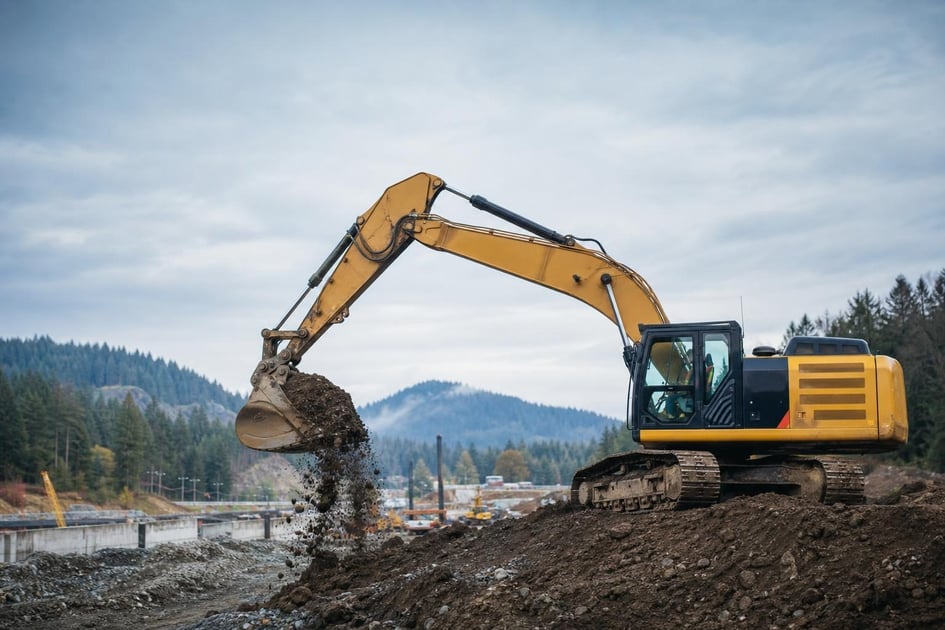
Construction in Oregon runs on two calendars: the wet season and the dry season. Contractors from Bend to Medford finance excavators, dozers, Skid Steers financing and Dump Trucks financing to stay productive during the compressed dry window. Earthquake retrofitting mandates in Portland and Eugene have also driven demand for structural steel fabrication equipment and specialized concrete pumps. Residential builders in the state's fast-growing suburbs need framing equipment, compact loaders and scaffolding.
Manufacturing and Fabrication
Oregon manufacturing ranges from semiconductor fabs in Hillsboro to small machine shops in Clackamas County. Fabricators finance CNC machines, press brakes, welding stations and material-handling robots. Metal shops in the Portland metro area often finance used equipment at auction to expand capacity without taking on the depreciation hit of buying new. The key is finding a lender that will finance both dealer purchases and private-party sales.
Healthcare, Dental and Veterinary
Medical practices in Portland, Eugene, Salem and Bend finance diagnostic imaging equipment, dental chairs, veterinary ultrasound machines and physical therapy devices. These assets hold value well and often qualify for longer terms. A dental practice buying a digital scanner or a veterinary clinic adding an X-ray suite can spread the cost over five to seven years, keeping monthly payments manageable while the equipment starts generating billable procedures immediately.
Restaurants and Food Service
Portland's food scene and the tourist corridors along the coast and in Bend keep restaurant equipment financing in steady demand. Owners finance reach-in coolers, walk-in freezers, Commercial Ovens financing and exhaust hoods. Food trucks and carts, which are common in Portland, often need smaller-ticket financing starting around $5,000 for griddles, fryers and refrigeration. Used equipment is especially popular here because restaurant margins are thin and depreciation is fast.
Transportation, HVAC and Specialty Trades
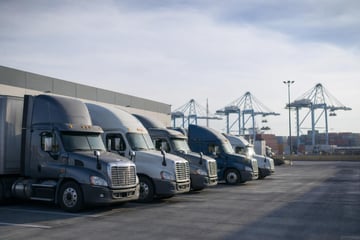
Oregon's geography creates demand for specialized transportation. Long-haul carriers finance highway tractors and refrigerated trailers to move produce and seafood. HVAC contractors finance Commercial Hvac System financing units and service vans to handle heating and cooling across climates that range from coastal rain to high desert. Forestry service companies finance bucket trucks and chipper trucks. Each of these trades relies on equipment that must be road-ready and compliant with Oregon Department of Transportation regulations.
By the Numbers: Provide Capital finances equipment from $5,000 to $5 million. Terms typically stretch from 24 to 84 months depending on equipment type and useful life. A longer term lowers the monthly payment but increases the total interest paid over the life of the loan. Rates vary by credit profile, equipment age and term.
New vs. Used Equipment: Financing Differences
New equipment usually commands lower rates and longer terms because the collateral value is predictable and warranty coverage reduces the lender's risk. A new wheel loader from a dealer comes with a known service history, manufacturer support and a longer useful life, which means the lender can comfortably stretch payments over five to seven years. New equipment also qualifies more cleanly for Section 179 and bonus depreciation in the 2026 tax year, though your CPA should confirm the exact calculations for your situation.
Used equipment is where many Oregon owner-operators find value. A three-year-old skid steer with documented maintenance can cost substantially less than new and still deliver years of service. Financing used equipment requires a closer look at condition, hours and maintenance records. Lenders want to know the asset will outlast the loan. Private-party sales are common in Oregon's equipment markets, and some lenders will finance those transactions as long as the title is clean and the inspection checks out.
The sweet spot for many borrowers is late-model used equipment: two to four years old with documented maintenance. These machines have already taken the steepest depreciation hit but still have plenty of life. Rates on late-model used equipment are often only marginally higher than new, and the total cost of ownership drops significantly because the purchase price is lower.
Equipment Lease vs. Equipment Loan
The choice between leasing and taking out an equipment loan depends on how long you plan to keep the asset, how many miles or hours you expect to put on it, what your accountant recommends for tax treatment, and whether you want to own the equipment outright at the end. Industry analysts at Forbes note that the lease-versus-loan decision often hinges on whether a business prioritizes cash flow or long-term asset ownership.
| Factor | Equipment Loan | Equipment Lease |
|---|---|---|
| Ownership | You own the equipment from day one | You may have a buyout option at term end |
| Monthly payment | Usually lower total cost if kept long-term | Often lower monthly payment |
| Tax treatment | Interest deduction plus depreciation (Section 179/bonus) | Lease payment typically fully deductible |
| Collateral | Equipment secures the loan | Lender owns the equipment; lessor's risk is different |
| Best for | Assets you plan to keep 5+ years | Technology or assets you upgrade frequently |
| End of term | No balloon, you own it outright | Return, renew or purchase at fair market value |
A loan makes sense for durable assets with long useful lives. If you are buying a Wheel Loaders financing for a quarry operation in Josephine County, you probably plan to run it for eight to ten years. Owning it outright means no restrictions on hours, no return-condition penalties and a clear path to zero payment once the note is satisfied. You also build equity in an asset that retains resale value in Oregon's active used-equipment market.
A lease fits better when technology changes fast or when you need to preserve cash flow for other investments. Some Oregon medical practices lease diagnostic equipment because the technology upgrades every three to four years. A transportation company might lease additional trailers during a temporary contract rather than committing to ownership. The trade-off is that you generally pay more over the full life of the lease if you exercise a buyout, and you do not build equity until the final purchase option is exercised.
Pro Tip: If your Oregon business is seasonal, structure your lease or loan payments to match your revenue cycle. A logging contractor can request quarterly payments timed to lump-sum timber settlements rather than flat monthly draws. A construction company in Bend might arrange a skip-payment structure for December through February, when frozen ground and holiday slowdowns constrict cash flow. Not every lender offers this, so ask before you sign.
Qualifying for Equipment Financing in Oregon
Qualification centers on four factors: credit history, time in business, revenue strength and the equipment itself. A borrower with a 700+ credit score, three years in operation and stable bank deposits will see the most favorable terms. That does not mean younger businesses or owners with credit challenges are shut out. Because the equipment collateralizes the deal, lenders can accept more risk than an unsecured creditor would. Rates and down-payment requirements simply adjust to reflect the profile. The Small Business Administration recommends that borrowers compare total cost of ownership before committing to any equipment purchase.
Credit Requirements
Most equipment financing programs look for a personal credit score in the mid-600s or higher for the primary guarantor. Scores below that do not automatically disqualify you, but they may trigger a higher down payment—sometimes 10 to 20 percent instead of zero—or a shorter term. Recent bankruptcies, open tax liens or judgments will slow the process and may require additional collateral or a co-signer.
Time in Business
Two years in operation is the standard threshold for the best rates. Businesses between one and two years can still qualify, especially if the owner has prior industry experience. Startups and new businesses are outside the scope of most equipment financing programs; lenders want to see a track record of revenue that can service the debt. If you are newly established, a larger down payment and strong personal credit become essential.
Revenue and Bank Deposits
Lenders verify revenue through bank statements, tax returns or profit-and-loss statements. Consistent monthly deposits matter more than top-line revenue. A contractor with steady monthly deposits often looks safer than one with lumpy, unpredictable payments that total more on paper. Lenders typically want to see that your existing cash flow can cover the new payment plus a cushion for operating expenses.
The Equipment Itself
The collateral must be insurable, titled and valued at or near the loan amount. Lenders order an appraisal or use industry guidebooks to confirm fair market value. For used equipment, they look at hours, mileage, maintenance records and recent comparable sales. Equipment with a strong resale market—Caterpillar excavators, Freightliner trucks, John Deere tractors—finances more easily than highly specialized or obsolete machinery.
If you have found the equipment you need and want to see how the numbers work for your specific situation, see what you qualify for with a same-day decision.
Documentation You'll Need
Have these items ready before you apply to avoid delays:
- Last two years of business tax returns
- Year-to-date profit and loss statement
- Current balance sheet
- Three to six months of business bank statements
- Personal financial statement for each guarantor
- Equipment invoice, quote or listing with serial number, year, make and model
- Proof of insurance covering the equipment
- Articles of incorporation or operating agreement
For private-party purchases, you will also need the seller's title and a bill of sale. Having these documents organized can mean the difference between a same-day approval and a week of back-and-forth.
Tax Considerations for 2026
For the 2026 tax year, business owners can still accelerate deductions on qualifying equipment, but the exact limits and percentages shift annually with inflation adjustments and scheduled phase-downs. Section 179 allows an immediate deduction of the full purchase price up to an annual cap, with a dollar-for-dollar reduction once total equipment purchases exceed a certain threshold. The specific 2026 dollar limits are set by the IRS and adjusted for inflation. Consult your CPA to confirm the current-year caps before you file.
Bonus depreciation continues to phase down in 2026. The percentage you can claim in the first year depends on when the equipment is placed in service and whether it is new or used. Not all equipment qualifies, and state tax treatment in Oregon may differ from federal rules. Your accountant can model whether Section 179, bonus depreciation or standard MACRS depreciation delivers the best after-tax result for your business.
Equipment loans and leases are treated differently. With a loan, you deduct the interest expense and take depreciation on the asset. With a lease, the monthly payment is typically fully deductible as an operating expense. The better structure depends on your tax bracket, current-year income and future equipment plans.
Key Insight: Oregon does not conform automatically to federal bonus depreciation rules at the state level. State taxable income may require add-backs or different depreciation schedules than your federal return. A CPA familiar with Oregon corporate excise tax and personal income tax rules can prevent an unpleasant surprise when state taxes come due.
Common Mistakes Oregon Borrowers Make
The most frequent error is shopping for equipment before understanding what you can afford. An owner-operator who falls in love with a specific machine at auction and then scrambles for financing often overpays or accepts unfavorable terms. Get pre-qualified or at least understand your approximate monthly budget before you bid. This gives you leverage with sellers and protects you from emotional purchases.
Another mistake is underestimating the total cost of ownership. Financing the purchase price is only part of the equation. Insurance, maintenance, fuel, storage and Oregon weight-mile taxes for heavy vehicles add up fast. A logging truck's monthly payment is only the starting point; fuel, insurance and permits can add thousands more to your monthly operating budget. Build those numbers into your cash-flow projection before you sign.
Borrowers also hurt themselves by applying with incomplete documentation. Missing tax returns, vague equipment descriptions or unorganized bank statements force underwriters to pause the file. In a competitive used-equipment market, that delay can cost you the machine. Have every document ready when you submit, and respond to follow-up requests the same day.
What Happens After Approval
Once approved, the lender issues a term sheet or commitment letter outlining the rate, term, payment amount and any conditions. Review it carefully. If the terms match what you discussed, you sign and return the documents. The lender then funds the transaction—usually by wiring funds directly to the dealer or private seller. You take possession, put the equipment to work and start making payments according to the schedule.
Most lenders report your payment history to business credit bureaus, which means on-time payments strengthen your profile for the next purchase. Some also offer refinancing or consolidation down the road if you accumulate multiple pieces of equipment. Keep your insurance current and notify the lender if the equipment is damaged, stolen or sold.
Frequently Asked Questions
What credit score do I need for equipment financing in Oregon?
Most programs prefer a personal credit score in the mid-600s or higher. Lower scores do not automatically disqualify you, but they may require a larger down payment or a shorter term. The equipment itself acts as collateral, which gives lenders more flexibility than unsecured lenders have.
Can I finance used equipment from a private seller?
Yes. Provide Capital finances both dealer purchases and private-party sales as long as the equipment has a clean title, verifiable condition and fair market value. You will need the seller's documentation, a bill of sale and proof of insurance before funding.
How long does approval take?
Same-day approvals are possible when your documentation is complete and the equipment valuation is straightforward. Complex transactions, large loan amounts or incomplete files can add a few business days. Responding quickly to underwriter questions keeps the timeline short.
What is the difference between a $1 buyout lease and a loan?
A $1 buyout lease is technically a lease, but because you own the equipment at the end for a nominal amount, it functions like a loan for tax purposes. A true operating lease gives you lower monthly payments but no automatic ownership. Your CPA can advise which structure fits your 2026 tax strategy.
Do I need a down payment?
Not always. Established businesses with strong credit often qualify for 100 percent financing. Newer businesses or borrowers with credit challenges may need 10 to 20 percent down. The equipment type also matters; specialized machinery with limited resale markets sometimes requires more skin in the game than a mainstream excavator or delivery van.
Can I finance soft costs like delivery, installation and training?
Many lenders allow soft costs to be rolled into the financing amount, usually up to a percentage of the equipment cost. This varies by program. If delivery across Oregon—from Portland to Klamath Falls—adds significant expense, ask your financing specialist whether it can be included in the note.
Is there a prepayment penalty?
Some equipment loans carry prepayment penalties in the first 12 to 24 months; others allow early payoff with no penalty. Read your term sheet carefully. If you expect a large seasonal cash influx—common in Oregon agriculture and forestry—ask about prepayment terms before you commit.
What types of equipment do not qualify?
Consumer vehicles, office furniture and equipment without a verifiable resale market usually do not qualify for equipment financing. The asset needs to be business-purpose, insurable and resalable if the lender needs to recover it. Pure software licenses and intangible assets are also typically excluded.
Ready to Finance Your Oregon Equipment?
Oregon's diverse economy rewards owner-operators who move fast when the right equipment becomes available. Whether you are adding a skid steer for a Bend construction site, financing a commercial oven for a Portland bakery or expanding a logging fleet in Lane County, the right financing structure keeps your cash reserves intact and your monthly payments predictable. Rates vary by credit profile, equipment age and term, so the only way to know your exact numbers is to run the application.
Get a same-day decision on your equipment and keep your Oregon business moving forward.
Disclaimer: The information provided in this article is for general educational purposes only and is not financial, legal, or tax advice. Funding terms, qualifications, and product availability may vary and are subject to change without notice. Provide Capital does not guarantee approval, rates, or specific outcomes. For personalized information about your business funding options, contact our team directly.