
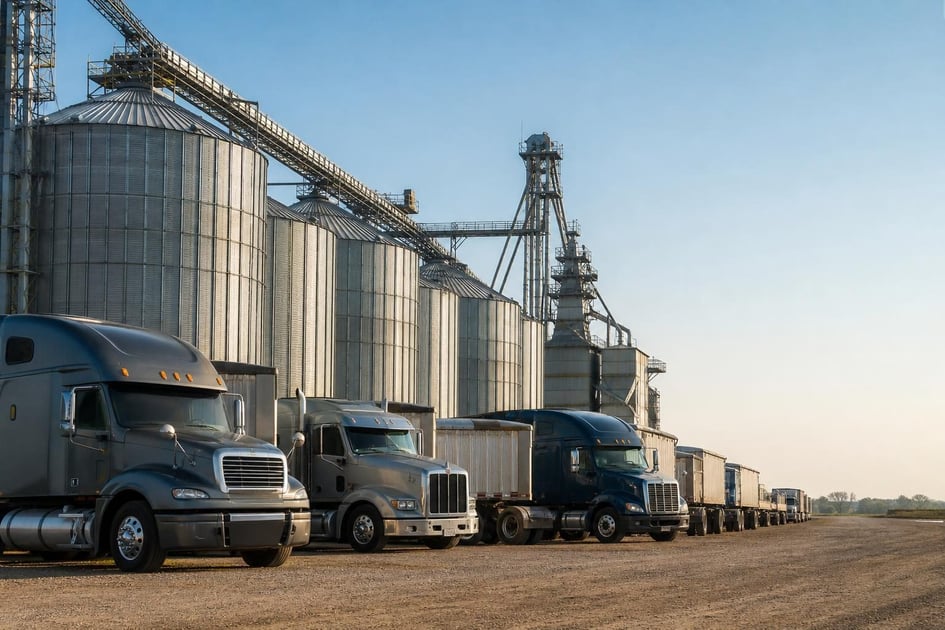
Semi Trucks Financing in Illinois
Owner-operators and fleet managers in Illinois can finance new and used semi trucks from $5,000 up to $5 million through equipment-secured lending. Because the truck itself serves as collateral, rates stay competitive even for borrowers with less-than-perfect credit. Same-day approvals are possible once you submit a complete application and equipment quote.
Illinois sits at the center of the U.S. freight network. With Interstate 80, Interstate 55, Interstate 90, Interstate 70, and Interstate 57 all crossing the state, Chicago ranks as one of the busiest freight hubs in North America. U.S. Census Bureau data shows the Chicago metropolitan area alone moves billions of dollars in manufactured and agricultural goods annually. That density of shipping lanes creates steady demand for reliable tractors, but it also means owner-operators need financing that moves as fast as the loads they haul. If you are weighing a purchase, you can see what financing you qualify for on that truck in minutes.
Get a fast decision on your equipment
Applying takes just a few minutes, and decisions can come as soon as the same day.
Start Your ApplicationWhat Illinois Owner-Operators Finance
The Illinois trucking market covers a wide range of equipment types. Day cabs dominate local and regional routes hauling manufactured goods out of Rockford, Peoria, and the Chicago suburbs. Sleeper cabs support longer over-the-road lanes connecting Illinois to Texas, Florida, and the West Coast. Refrigerated units, or reefers, move the state’s massive agricultural and food-processing output. Flatbeds and step decks carry steel, machinery, and construction materials.
Beyond the tractor itself, many Illinois operators finance trailers, liftgates, and auxiliary power units as part of the same transaction. Bundling these items simplifies bookkeeping and can improve the overall collateral coverage. We finance all of these configurations through Semi Trucks financing programs designed for owner-operators and small fleets. Whether you need a single used day cab for $35,000 or a fleet of new sleeper tractors approaching $5 million, the equipment itself secures the transaction.
New vs. Used Semi Trucks in the Illinois Market
New trucks offer manufacturer warranties, lower maintenance costs in the first three years, and the latest fuel-efficiency technology. For owner-operators running dedicated lanes with predictable mileage, a new tractor can reduce downtime and improve per-mile margins. The downside is depreciation. A new Class 8 truck can lose 20 to 25 percent of its value in the first year alone. Reuters reporting on freight markets has noted that used Class 8 prices remain sensitive to cargo volumes and fuel costs, making timing an important factor for Illinois buyers.
Used trucks cost less upfront and depreciate more slowly, which matters if you plan to trade or sell within five years. In Illinois, however, used buyers should pay extra attention to rust and corrosion from road salt. Trucks that spent winters on Midwest highways may show frame corrosion, brake-line wear, or cab-corner rust that a Southern or Western unit would not. A pre-purchase inspection by a diesel mechanic familiar with Midwest salt exposure is worth the $300 to $500 fee.
From a financing standpoint, used trucks older than ten years or with more than 750,000 miles may require a larger down payment or a shorter term. Rates vary by credit profile, equipment age and term length, but the collateral structure means you are not limited to only late-model units. You can get a decision on your equipment, possibly the same day, whether it is two years old or twelve.
Key Insight: Illinois requires apportioned registration through the International Registration Plan for trucks operating across state lines. If you choose a lease, confirm whether the lessor or you holds the registration responsibility, because mismatched paperwork at a Port of Entry weigh station can trigger a $500 to $1,500 fine and put you out of service.
Lease vs. Loan: Which Structure Fits Your Operation?
Owner-operators in Illinois typically choose between an equipment loan and a finance lease. The right structure depends on how long you plan to keep the truck, how many miles you expect to run annually, and whether you want to claim ownership on the title.
| Feature | Equipment Loan | Finance Lease |
|---|---|---|
| Ownership | You own the truck; lender holds a lien | You own the truck at lease end for a nominal buyout |
| Down payment | Typically 0% to 20% | Typically one or two advance payments |
| Term length | 24 to 72 months | 24 to 60 months |
| Monthly payment | Higher; you build equity | Lower; mimics cash flow |
| Tax treatment | Depreciation and interest deduction | Lease payments deducted as expense |
| Best for | High-mileage operators planning to keep the truck 7+ years | Operators who upgrade frequently or want lower payments |
Loans work well for Illinois agriculture haulers who run hard during harvest season and keep tractors for a decade. Leases appeal to intermodal carriers operating near Chicago rail yards who cycle equipment every four years to avoid maintenance spikes. Both structures are available for amounts from $5,000 to $5 million. Your accountant can model the after-tax cost of each option using your projected 2026 revenue.
Qualifying for Semi Truck Financing
Equipment lenders evaluate three main factors: credit history, time in business, and the equipment itself. You do not need a 700 credit score. We regularly approve borrowers with scores in the low 600s when the cash flow and collateral are strong. If your credit is below 600, a larger down payment or a co-signer can strengthen the file.
Time in business matters because trucking has a high first-year failure rate. Operators with two or more years in business qualify for the best terms, but first-time owner-operators are not excluded. If you are newly independent, expect to show at least three to six months of operating history or a signed contract from a direct shipper.
The equipment itself does much of the heavy lifting. Because the truck serves as collateral, the lender can secure the asset even if other parts of the file are thin. This structure is similar to the collateral logic described in SBA guidance on equipment loans, though SBA programs involve government guarantees and longer processing times that do not match the speed most Illinois operators need. We finance trucks up to 15 years old in many cases, though newer units with lower mileage receive more favorable structures. The lender will verify the value through a commercial pricing guide or an independent appraisal for unique or specialized units.
Pro Tip: Before you shop, gather your last three months of bank statements, your commercial driver’s license, a current motor carrier authority letter if you have one, and the equipment quote or VIN-specific listing. Submitting a complete file cuts approval time from several days to a few hours.
Tax Treatment for Illinois Trucking Businesses in 2026
For tax year 2026, the federal tax code offers two major incentives for equipment acquisition. Section 179 allows businesses to deduct the full purchase price of qualifying equipment up to the annual IRS dollar limit, which is adjusted yearly for inflation. The deduction phases out once total equipment purchases exceed a separate threshold. Speak with a CPA to confirm exactly where your purchase falls within the 2026 brackets.
Bonus depreciation is also available in 2026 at 20 percent for qualified property. You can pair bonus depreciation with Section 179, but the order matters: Section 179 is applied first, then bonus depreciation on the remaining basis, then regular depreciation over the five-year MACRS schedule. A CPA familiar with trucking can model which sequence saves the most on your 2026 return.
Illinois state income tax adds another layer. The state does not conform perfectly to federal bonus depreciation rules, so a deduction taken on your federal return may not flow through one-for-one on your Illinois return. Again, a local CPA who handles motor-carrier clients is the right resource here.
By the Numbers: A $150,000 used sleeper cab placed in service in November 2026 could see a first-year federal deduction combining Section 179 and 20 percent bonus depreciation that substantially exceeds the cash paid out of pocket if you financed with a low down payment. The exact savings depend on your tax bracket and entity structure, which is why CPA guidance is essential.
See what you qualify for
The equipment itself secures the financing, which keeps rates competitive. Checking your options takes minutes.
Check Your OptionsIndustry-Specific Use Cases in Illinois
Illinois is not a monolithic market. The equipment you need and the financing structure that fits change depending on what you haul and where you operate.
Agriculture and Grain Hauling
Central and southern Illinois move enormous volumes of corn and soybeans. Grain haulers need high-torque day cabs and hopper-bottom trailers, with peak demand running from September through November. Financing ahead of harvest is critical. Many ag operators use Transportation equipment financing to add capacity in August so they are ready when elevators start calling. A used day cab and trailer combination in the $60,000 to $90,000 range is typical for this segment.
Manufacturing and Steel
The Chicago metropolitan area and Rockford remain heavy manufacturing centers. Flatbeds and step decks haul steel coils, machined parts, and industrial equipment. These routes tend to be regional, which means day cabs with 400,000 to 600,000-mile lifecycles are common. Used trucks in the $50,000 to $90,000 range dominate this segment. Many of these operators run under 80,000 pounds gross vehicle weight and need trucks specced for frequent loading and unloading.
Food Service and Refrigerated Distribution
Illinois processes more food than almost any state. Reefer units move dairy, meat, and packaged goods from processing plants to cold-storage warehouses. A reefer breakdown costs $200 to $400 per hour in spoiled product, so carriers in this niche often prioritize newer units with warranty coverage. Financing a two- to three-year-old reefer tractor often strikes the balance between purchase price and reliability.
Intermodal Drayage
Chicago is the busiest rail intermodal hub in the United States. Drayage trucks move containers between rail yards and distribution centers within a 150-mile radius. These trucks accumulate high annual mileage but return to a home base every night, making day cabs the standard choice. Because drayage rates fluctuate with import volume, operators here often prefer lease structures that preserve cash flow during slower months. A standard drayage day cab with a liftgate often runs $40,000 to $75,000 on the used market.
Common Mistakes to Avoid
First-time buyers often shop for the truck before securing financing. That sequence risks losing a unit to another buyer while you wait for approval. It also limits your negotiating leverage. Get pre-qualified first, then make an offer with confidence.
Another error is focusing only on the monthly payment and ignoring the total cost of ownership. A truck with a $200 lower monthly payment but 3 miles per gallon worse fuel economy will cost thousands more over a 100,000-mile year at current diesel prices. Maintenance history matters too. A truck with three years remaining on its manufacturer engine warranty can absorb a $15,000 to $20,000 engine repair that would wipe out the savings on a cheaper, out-of-warranty unit.
Finally, match the truck to the freight. A 13-speed manual transmission and 3.42 rear axle ratio work well for open-highway freight, but a Chicago-area drayage driver making 10 stops a day will hate that spec. Talk to operators running the same lanes before you buy. If you haul heavy agriculture loads out of central Illinois, make sure the rear axle and suspension are rated for the weight you will actually run.
What Happens After You Apply
Applications take 5 to 10 minutes online. You will need the equipment quote or listing, your business and personal contact information, and basic financial details. If you have them, upload your last three bank statements and your authority letter to speed the review.
Once submitted, underwriters verify the equipment value through a pricing guide or appraisal. For amounts under $250,000, approval often comes the same business day. Larger transactions or specialized equipment may take 24 to 48 hours while the lender confirms collateral details. If the seller is a private party rather than a dealer, the title search adds another step to ensure no hidden liens exist.
After approval, you review and sign the documents electronically. Funds go directly to the seller or dealer. In most cases, you can pick up the truck within one to three business days of signing. The lender files a UCC-1 lien on the equipment, which is released once you pay the obligation in full.
Put the right equipment to work
From $5,000 to $5 million, new or used, Provide Capital helps businesses nationwide finance the equipment they need.
Apply TodayFrequently Asked Questions
Can I finance a semi truck in Illinois with bad credit?
Yes, though the structure depends on how low the score is and what the rest of your file shows. Scores in the low 600s can qualify when the equipment is strong and you can document income. Below 600, expect to put 10 to 20 percent down or add a co-signer. The truck itself is the collateral, which gives the lender security beyond your credit profile.
How much down payment do I need?
Down payments range from 0 percent for well-qualified buyers to 20 percent for challenged credit or older equipment. Most first-time owner-operators fall in the 5 to 15 percent range. The exact amount depends on your credit profile, the equipment age, and the term length you select.
Can I finance a truck from a private seller?
Yes. Private-party sales are common in Illinois, especially for used day cabs sold by retiring owner-operators. The lender will verify the title, run a lien check, and often require a third-party inspection. Funds are sent directly to the seller once documents clear.
Do I need a commercial driver’s license to qualify?
You do not need a CDL to apply, but you will need one to operate the truck commercially in Illinois. If you are financing the truck as an investment and hiring a driver, the lender will want to see the driver’s qualifications and your operating authority.
What is the oldest truck I can finance?
We routinely finance trucks up to 15 years old. Units older than 10 years or with more than 750,000 miles may require larger down payments or shorter terms. The key is whether the truck has remaining useful life and verifiable value.
Can I include a trailer in the same financing package?
In many cases, yes. If you are purchasing a tractor and dry van or reefer trailer from the same seller, the lender can often bundle both into one transaction. This simplifies your bookkeeping and may improve the overall collateral coverage.
How does financing affect my 2026 taxes?
For tax year 2026, you may be able to deduct a significant portion of the equipment cost through Section 179 and 20 percent bonus depreciation. The exact impact depends on whether you operate as a sole proprietor, LLC, or S corporation, and on your overall taxable income. A CPA can run the specific numbers for your situation.
Is same-day approval really possible?
Same-day approval is possible when the application is complete and the equipment is standard. If you submit all requested documents before noon Central Time and the truck is a common make and model, approval can come back within hours. Complex files or specialty equipment may take longer.
Next Steps
Illinois offers some of the best freight density in the country, but the right truck and the right financing structure make the difference between profitable miles and constant headaches. Whether you are hauling grain out of Decatur, steel out of Gary, or containers out of the Chicago rail yards, equipment-secured financing keeps your capital working.
Start by identifying the truck you need and the monthly payment that fits your cash flow. Then start an application in a few minutes to see what terms you qualify for. If you have questions about a specific unit, call with the VIN and seller information ready. We fund Dump Trucks financing, reefers, flatbeds, and Semi Trucks financing for Illinois operators every week.
Disclaimer: The information provided in this article is for general educational purposes only and is not financial, legal, or tax advice. Funding terms, qualifications, and product availability may vary and are subject to change without notice. Provide Capital does not guarantee approval, rates, or specific outcomes. For personalized information about your business funding options, contact our team directly.
