Financing a Skid Steer in Pennsylvania Starts With the Equipment
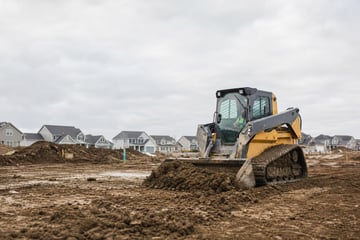
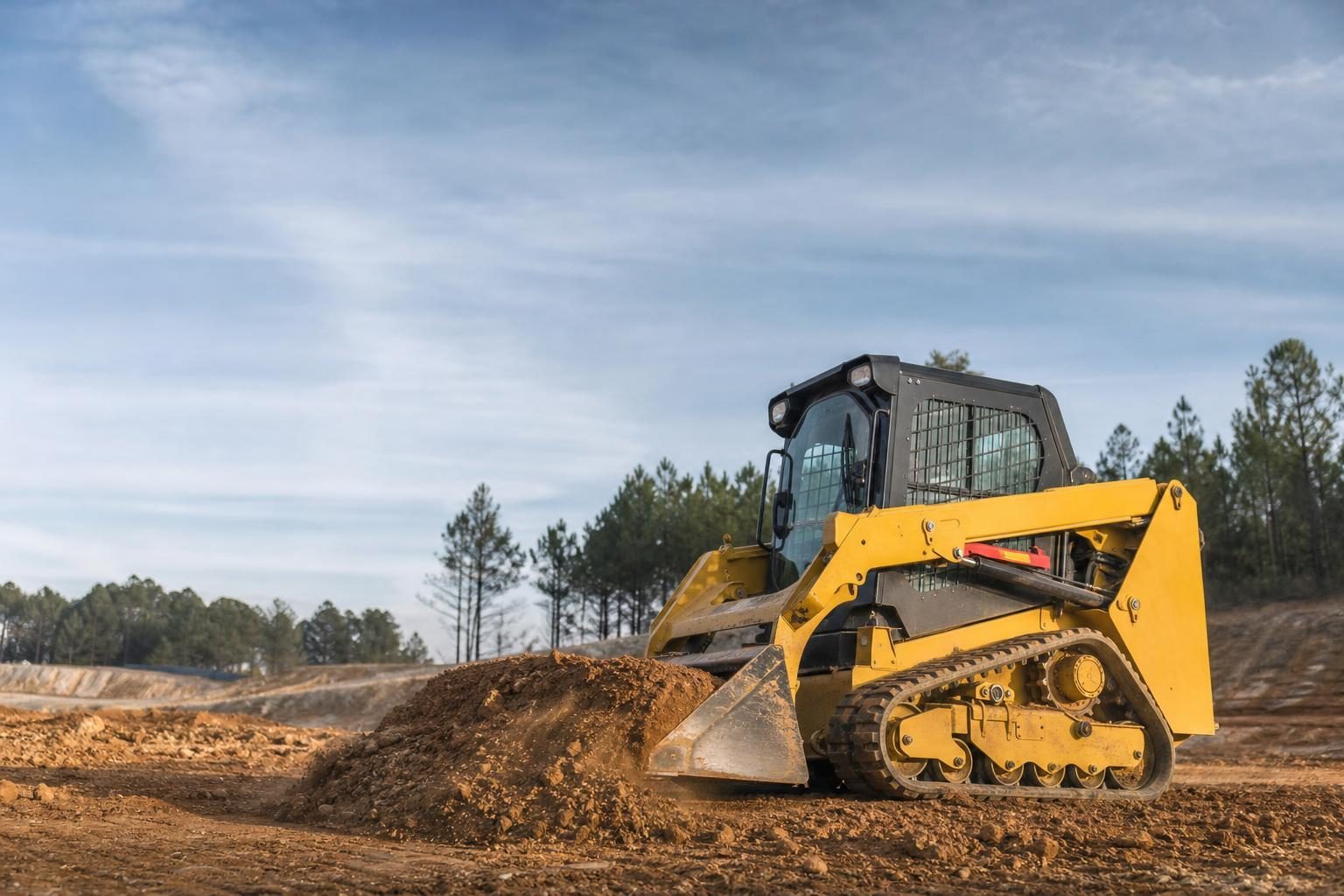
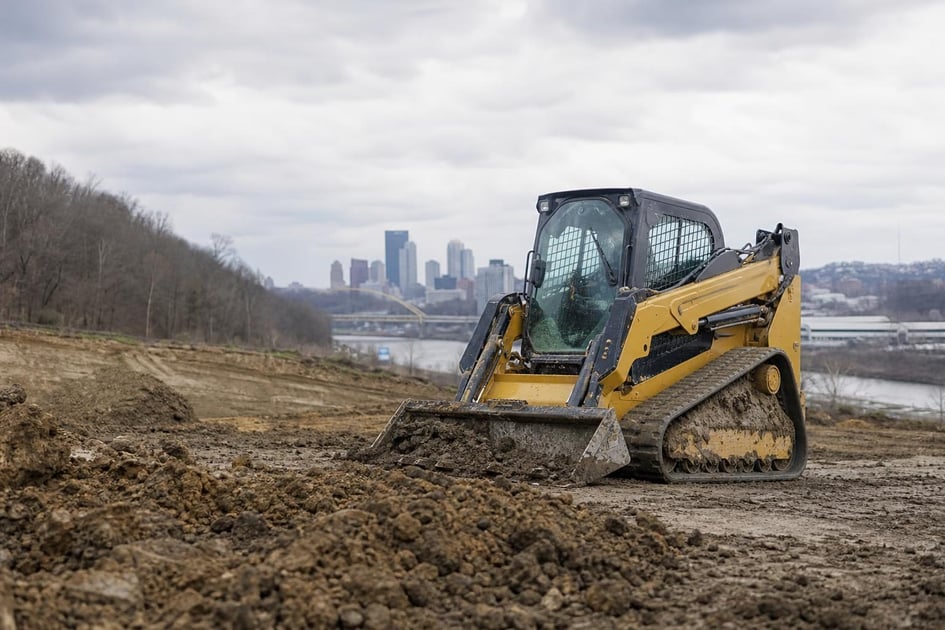
A skid steer loader is one of the most versatile pieces of equipment on a Pennsylvania job site. Whether you are clearing snow in Erie, grading a pad outside Pittsburgh, or handling feed on a Lancaster County farm, the machine does the work of three or four specialized units when paired with the right attachments. For most owner-operators and small contractors looking at Skid Steers financing, the question is not whether to own one, but how to pay for it without tying up the cash needed for payroll and materials. Financing spreads the cost over the useful life of the machine and keeps your liquidity intact. If you are looking at a machine this week, see what financing terms you qualify for on that skid steer and get a decision possibly the same day.
Already have a machine in mind?
Provide Capital finances new and used equipment from $5,000 to $5 million, with same-day decisions possible.
Apply NowWhy Pennsylvania Contractors Finance Rather Than Pay Cash
Pennsylvania is home to more than one million small businesses, according to U.S. Census Bureau data, and a significant share operate in construction, agriculture, and forestry where skid steers are daily tools. Those sectors run on tight margins and uneven cash flow. Winter weather can idle crews for weeks, while spring and summer demand long hours and extra labor. A $45,000 or $65,000 skid steer purchase paid in cash can wipe out the reserves that carry a business through the slow months. Financing the equipment lets you match the monthly payment to the revenue the machine generates, which is especially valuable in a state where seasonal swings are predictable but severe.
The equipment itself serves as collateral, which keeps rates competitive compared with unsecured borrowing. That structure matters in Pennsylvania, where many contractors operate as LLCs or sole proprietorships and may not have extensive commercial credit histories. Because the lender secures the loan with the skid steer, the underwriting focuses more on your cash flow and time in business than on real estate or other assets.
Key Insight: Pennsylvania equipment dealers report that skid steer sales peak between March and May and again in September before the first frost. Financing applications submitted during these rush periods can face longer dealer delivery times, but approval speed from the lender side usually stays the same. The bottleneck is often the dealer's prep schedule, not the credit decision.
New vs. Used Skid Steer Financing
New skid steers typically range from $35,000 to $75,000 depending on operating capacity, track vs. wheel configuration, and brand. Used machines with under 2,000 hours can run from $20,000 to $45,000. Provide Capital finances both, but the terms differ slightly.
New equipment usually qualifies for longer terms—up to 60 months—and lower rates because the collateral value is predictable. Used equipment may carry a slightly shorter term or require a larger down payment if the machine is more than five years old or has high hours. The critical factor is not age alone; it is the remaining useful life relative to the loan term. A well-maintained 2019 skid steer with 1,200 hours can finance on terms close to new, while a neglected 2021 model with 3,500 hours may not qualify for the same structure.
For Pennsylvania buyers, used inventory is plentiful near Harrisburg, Allentown, and Scranton because of the state's large construction and forestry base. Before you commit, verify that the seller has clear title and that there are no outstanding liens. Provide Capital can finance private-party sales in addition to dealer purchases, but the title verification step is stricter.
Pro Tip: When buying used, request the hour meter reading in writing and compare it to the maintenance log. A skid steer used in agricultural feedlot work in Chester County will show more corrosion and frame stress than one used mainly for light landscaping in the Poconos, even if the hours are identical. Adjust your offer and down payment accordingly.
Lease vs. Loan: What Pennsylvania Owners Should Know
Both structures let you put the skid steer to work immediately, but the ownership path, tax treatment, and end-of-term options are different. Most Pennsylvania contractors choose a loan because they intend to keep the machine for seven to ten years, but a lease can make sense if you expect rapid technology changes or want a lower monthly payment.
| Feature | Equipment Loan | Finance Lease |
|---|---|---|
| Ownership | You own the skid steer from day one; lender holds a lien | Lessor owns the equipment; you may purchase at end of term |
| Monthly payment | Higher than a lease; builds equity | Lower; essentially renting with a purchase option |
| Tax treatment | Section 179 deduction and depreciation to the owner | Payments may be fully deductible as operating expenses |
| End of term | No balloon; own free and clear | $1 buyout, 10% purchase option, or return the machine |
| Best for | Owners planning long-term use and wanting equity | Owners wanting lower payments or planning to upgrade frequently |
If you plan to run the skid steer for a decade and put 500 hours a year on it, the loan usually wins. If you want to trade up every three years to the latest emissions-compliant model, explore a lease. Start an application in a few minutes to compare structures side by side on the same machine.
What It Takes to Qualify
Provide Capital looks at three factors: time in business, credit profile, and cash flow. You do not need perfect credit. A score in the mid-600s or higher will typically qualify for the most competitive rates, but scores below that are reviewed on a case-by-case basis. What matters more is a consistent revenue stream and a reasonable debt-service coverage ratio. Equipment loans remain one of the most accessible funding types for small firms because the collateral protects the lender, a point the Small Business Administration emphasizes in its guidance on equipment financing.
Time in business is usually two years or more for the best terms, but younger companies can still qualify with a stronger down payment or a co-signer. The equipment itself is the collateral, which reduces the lender's risk and allows more flexibility on credit depth than an unsecured line of credit would.
Rates vary by credit profile, equipment age, and term. A new skid steer financed over 48 months to a borrower with strong credit will carry a lower rate than a 10-year-old machine financed over 36 months to a borrower rebuilding credit. The only way to know your exact numbers is to submit an application and review the offer.
Tax Treatment for the 2026 Tax Year
For the 2026 tax year, Section 179 allows businesses to deduct the full purchase price of qualifying equipment in the year it is placed in service, subject to an annual limit. The exact dollar limit and phase-out threshold for 2026 should be confirmed with your CPA, as inflation adjustments are applied each year. If you finance the skid steer in December but do not take delivery until January, the deduction belongs to the 2027 tax year, so timing matters.
Bonus depreciation may also apply to new and used equipment, but the percentage and eligibility rules have shifted in recent years. Rather than cite a specific percentage that may not survive a legislative change, speak with your accountant about how bonus depreciation interacts with Section 179 for your entity type. The combination can produce significant first-year deductions, but the ordering rules are complex and vary based on whether you operate as an S-corp, LLC, or sole proprietorship.
One safe rule: keep the invoice, the financing agreement, and the delivery receipt in the same tax year file. If you are audited, the IRS will want proof of when the equipment was placed in service, not just when you signed the loan.
See what you qualify for
The equipment itself secures the financing, which keeps rates competitive. Checking your options takes minutes.
Check Your OptionsWho Uses Skid Steers Across Pennsylvania Industries
Pennsylvania's economy is broader than coal and steel. Today, Construction equipment financing supports residential builders in the Philadelphia suburbs, highway contractors in the Susquehanna Valley, and site developers in the Lehigh Valley. A skid steer is the first machine on the job for grading, trenching, and material handling, and the last one off when the final cleanup happens. Demand for compact construction equipment in the Northeast has remained resilient, as Reuters reporting on regional construction trends notes, because contractors continue to favor versatile machines that move between job sites without specialized haul permits.
In agriculture, dairy and livestock operations in central Pennsylvania use skid steers daily for manure handling, feed distribution, and barn cleaning. The compact footprint fits inside older bank barns that a full-size loader cannot enter. Forestry crews in the northern tier use high-flow skid steers with mulching heads for right-of-way clearing and firebreak maintenance. Municipalities rely on them for snow removal along sidewalks and in parks where a full plow truck will not fit.
Landscaping companies from Gettysburg to the Wyoming Valley use skid steers to move pallets of sod, grade lawns, and dig out stumps. The common thread is that all of these users need the machine immediately when the season starts, not six months after they have saved enough cash. Financing bridges that gap.
By the Numbers: Provide Capital finances new and used business equipment from $5,000 to $5 million. A typical skid steer in Pennsylvania falls in the $25,000 to $75,000 range, with monthly payments often structured to match seasonal revenue peaks. A $50,000 machine on a 48-month term might carry a monthly payment in the low four figures, though your exact payment depends on credit profile, equipment age, and term length.
Common Mistakes When Financing Skid Steers
The first mistake is buying too small. A contractor who purchases a 1,500-pound rated operating capacity machine to save money often discovers six months later that it cannot lift a full pallet of pavers or handle a heavy brush cutter. Upsizing then means trading in at a loss. If your work includes demolition or heavy material handling, size the machine for your heaviest expected attachment, not your lightest.
The second mistake is ignoring attachment costs. A bucket comes standard, but a hydraulic auger, trencher, or forestry mulcher can add $5,000 to $15,000. Those attachments can be rolled into the same financing package as the skid steer if you include them in the initial quote. Adding them later with a separate unsecured loan costs more.
The third mistake is poor timing. Pennsylvania winters slow construction activity, which means some contractors wait until spring to buy. But dealers often discount inventory in January and February to move units before the tax-season rush. Financing lets you buy in the off-season at a lower price and start the season with a machine that is already broken in and serviced.
The fourth mistake is not checking the dealer's reputation. A low-hour machine from a disreputable dealer can carry hidden frame damage or a voided warranty. Ask for the service history, inspect the pins and bushings for play, and verify that the hour meter has not been rolled back.
Documentation You'll Need
The application process is straightforward. You will need a government-issued ID, your business bank statements for the last three to six months, a quote or invoice for the skid steer, and a voided business check for setting up automatic payments. If you are buying from a private party, you will also need the seller's payoff information if there is an existing lien, plus a bill of sale.
For larger requests—generally above $150,000—the underwriter may ask for two years of business tax returns and a current year-to-date profit and loss statement. Most skid steer requests fall well below that threshold and move faster.
What Happens After You Apply
Once you submit the application and documentation, the review process typically takes a few hours. Same-day approvals are possible when the file is complete and the equipment quote is clear. The underwriter verifies your business identity, reviews the bank statements for cash flow consistency, and checks the equipment value against market guides.
After approval, you receive a term sheet showing the monthly payment, term length, and any down payment required. If you accept, the lender pays the dealer or private seller directly. For dealer transactions, the dealer handles the title transfer and UCC filing. For private-party sales, you and the seller coordinate the title transfer, and the lender files the UCC-1 to perfect its lien.
You take delivery once the funds clear. The first payment is usually due 30 to 45 days later. There are no prepayment penalties on standard loans, so if you have a strong quarter and want to pay down the balance early, you can.
Pro Tip: If you are buying at auction—a common practice in Pennsylvania at Ritchie Bros. and local farm sales—get pre-approved before you bid. Auction purchases require fast payment, usually within 24 to 48 hours. A pre-approval letter from your lender lets you bid with confidence and close on time.
Ready to move forward?
More than 10,000 businesses have financed equipment with Provide Capital. See what you qualify for today.
Get StartedFrequently Asked Questions
Can I finance a skid steer with a 600 credit score?
Yes, though the rate and term will reflect the credit profile. Scores in the 600s often qualify with a slightly larger down payment or a shorter term. The equipment collateral helps offset credit depth.
How long can I finance a skid steer?
Terms typically range from 24 to 60 months. New equipment usually qualifies for the longer end of that range. Used equipment over five years old may be limited to 36 or 48 months.
Can I include attachments in the same loan?
Yes. If the attachments are part of the original invoice from the dealer, they can be rolled into the financing package. Aftermarket attachments added later usually require separate financing.
Do you finance private-party sales?
Yes. Private-party financing is available, but the title must be clear or the existing lien must be paid off at closing. The verification process takes slightly longer than a dealer sale.
Is a down payment always required?
Not always. Well-qualified borrowers can sometimes finance 100% of the purchase price plus soft costs like delivery. Borrowers with shorter time in business or lower credit scores may be asked for 10% to 20% down.
Can I deduct the full cost in 2026 if I finance?
You may be eligible for Section 179 and bonus depreciation on qualifying equipment placed in service during the 2026 tax year, but the exact limits depend on your total equipment purchases and taxable income. Consult a CPA before you count on a specific deduction amount.
What is the difference between a wheel skid steer and a track skid steer?
Wheel skid steers cost less and work well on hard, flat surfaces like asphalt and concrete. Track skid steers distribute weight over a larger footprint, which reduces ground pressure and works better on mud, snow, and finished turf. Pennsylvania's freeze-thaw cycles and clay soils make tracks popular for winter and spring work.
How fast can I get funded?
Complete applications often receive a decision within the same business day. Funding usually occurs within 24 to 48 hours of approval, once the dealer or seller confirms the invoice and title status.
Ready to Move Dirt?
A skid steer is a revenue tool, not an expense. In Pennsylvania's seasonal economy, owning one lets you take jobs you would otherwise turn down, clear snow in the winter, and keep crews productive through the summer. Financing turns that capital requirement into a predictable monthly cost that matches the machine's earning power. Get a decision on your equipment, possibly the same day, and take the first step toward putting a skid steer to work on your next job.
Disclaimer: The information provided in this article is for general educational purposes only and is not financial, legal, or tax advice. Funding terms, qualifications, and product availability may vary and are subject to change without notice. Provide Capital does not guarantee approval, rates, or specific outcomes. For personalized information about your business funding options, contact our team directly.