
What Used Wheel Loader Financing Actually Covers
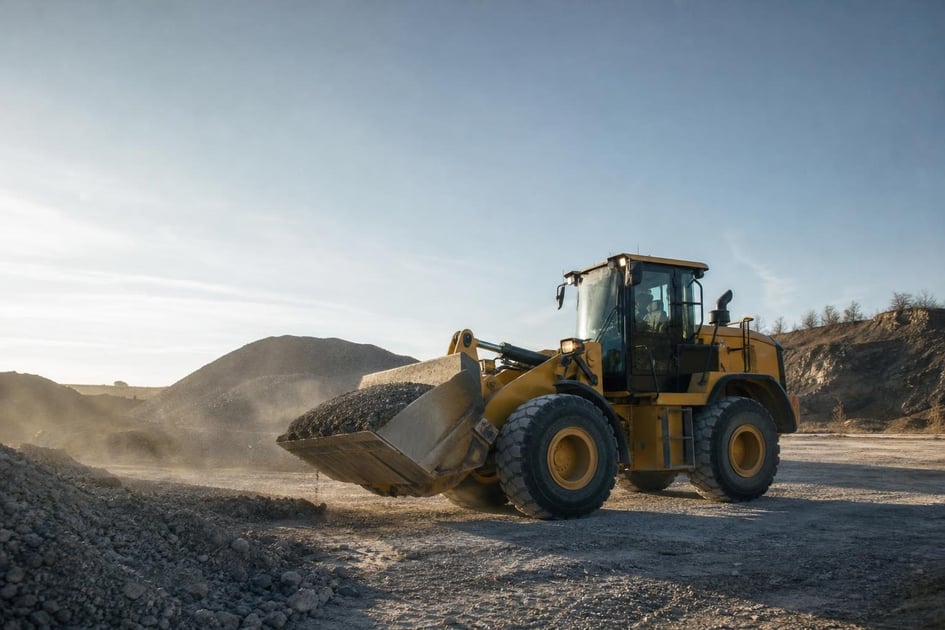
Used wheel loader financing works like any other equipment loan: the lender buys the machine and you pay it back over time. The loader itself serves as collateral, which means you do not need to pledge real estate or other assets to secure the deal. This keeps the process straightforward for construction companies, landscapers, and material yards that need a machine now but want to preserve cash flow.
Used wheel loaders range widely in price depending on age, hours, and brand. Because the equipment secures the loan, lenders focus heavily on the machine's value rather than asking for perfect credit. That said, the age and condition of the loader directly affect your rate and term. A three-year-old loader with two thousand hours will qualify for different terms than a fifteen-year-old machine sold at auction with incomplete maintenance records.
Provide Capital finances used equipment from $5,000 up to $5 million. A used wheel loader almost always sits well inside that range, making it a standard collateral deal rather than a specialized exception.
Key Insight: Lenders typically cap financing at the machine's auction or wholesale value, not the asking price on the dealer lot. If a seller is asking more than the appraised value, you may need to cover the gap yourself or negotiate the price down.
How Lenders Evaluate Used Equipment Collateral
The collateral quality determines whether a used wheel loader deal gets approved and what the structure looks like. Underwriters look at four factors in order of importance: year, hours, maintenance history, and brand.
Equipment age. Most lenders prefer used construction equipment that is fewer than ten to fifteen years old at the end of the term. If you want a five-year loan on a loader that is already twelve years old, the underwriter will note that the collateral will be seventeen years old when the final payment clears. Some lenders accept older iron, but the down payment requirement usually rises to offset the residual risk.
Hour meter. A wheel loader with high hours is viewed differently than one with moderate use. High-hour machines can still be good collateral if they have documented rebuilds, but unexplained hour spikes or missing logs trigger scrutiny.
Maintenance records. Original invoices for engine work, transmission service, and hydraulic repairs show the lender that the previous owner treated the machine as an income-producing asset rather than a disposable tool. A clean file speeds approval.
Brand and model. Common brands with strong dealer networks hold value better and are easier to appraise. Obscure imports or discontinued lines may still finance, but the lender may require a larger equity stake.
By the Numbers: Used wheel loaders commonly sell for significantly less than their new equivalents, often at a discount of thirty to fifty percent. That reduction translates into a lower monthly payment, but lenders may still want ten to twenty percent down on used units to keep loan-to-value ratios conservative.
Used vs. New Wheel Loaders: A Financing Comparison
Both new and used wheel loaders can be financed, but the deal structure changes based on which side of the lot you buy from.
| Factor | New Wheel Loader | Used Wheel Loader |
|---|---|---|
| Purchase price | $200,000 to $500,000+ | $30,000 to $150,000 |
| Typical down payment | 0% to 10% | 10% to 20% |
| Rate influence | Credit profile dominant | Credit + equipment age/hours |
| Term availability | Up to 60 months or longer | 24 to 60 months |
| Warranty coverage | Full manufacturer warranty | Limited or as-is |
| Tax depreciation | Bonus + Section 179 eligible | Section 179 eligible if new to you |
The biggest practical difference is cash out of pocket. New equipment often advertises zero-down programs, while used equipment almost always requires some equity. The reason is simple: depreciation hits hardest in the first two years. A new loader loses value quickly, but a used loader has already absorbed that initial drop. Lenders protect themselves on used units by asking for a down payment because auction values can be volatile if the borrower defaults.
On the other hand, the total interest paid over the life of a used-equipment loan is usually lower because the principal is smaller. If your goal is to own the machine outright and run it for a decade, a well-maintained used loader financed over four years can cost significantly less in total dollars than a new one financed over six.
According to U.S. Census Bureau construction spending data, private nonresidential construction remains a major driver of equipment demand, which keeps the secondary market for wheel loaders active.
Loan or Lease: Which Structure Fits a Used Loader
Equipment financing generally comes in two forms: a capital lease or a term loan. For used wheel loaders, most borrowers choose a term loan because the equipment is already depreciated and the goal is ownership. Leases make more sense when you want to refresh fleets every three years or when the lessor can claim depreciation that you cannot use.
A one-dollar buyout lease on used equipment is functionally a loan with a different name. You make monthly payments and own the loader at the end. The documentation may differ slightly, but from a cash-flow perspective the two are nearly identical. A fixed buyout lease leaves a residual at the end. That can lower your monthly payment, but if the buyout amount is higher than the market value when the term expires, you are stuck overpaying for a tired machine.
True operating leases—where you return the equipment at the end—are rare for used wheel loaders. The residual value is too uncertain for the lessor, and most buyers of used iron plan to run the machine until the frame cracks.
Pro Tip: If you expect to put more than fifteen hundred hours per year on the loader, lean toward a term loan rather than any lease with a residual. High hours erode the machine's end-of-term value, and you do not want to be liable for a mileage or hour overage on a lease when you could simply own the asset.
Understanding Loan-to-Value on Used Iron
Loan-to-value ratio, or LTV, is the single most important metric in used equipment underwriting. It compares the loan amount to the lender's appraised value of the machine. If you want to buy a used wheel loader and the lender appraises it below the asking price, you will need to cover the gap or negotiate.
Most lenders cap used equipment LTV between eighty and one hundred percent of wholesale value. To close the deal, you would need to put money down to bring the loan in line with the appraisal. The appraisal process relies on auction databases, dealer wholesale guides, and serial-number lookups. Major brands with high auction turnover appraise faster and more accurately than niche imports. If you are buying a discontinued model, the lender may require a physical inspection by a third-party equipment appraiser. That adds cost and time but protects both sides from an inflated valuation.
Your down payment serves as a buffer against further depreciation. A used wheel loader may continue to lose value during your ownership, which is why lenders require a down payment to create a cushion in case of default.
Tax Treatment for Used Equipment in 2026
For the 2026 tax year, used wheel loaders qualify for Section 179 expensing as long as the equipment is new to your business. The IRS does not require the machine to be new from the factory; it only requires that you did not use it in your business before and that you place it in service during 2026.
The annual deduction limit and phase-out threshold for 2026 are set by inflation adjustments. Rather than cite a specific dollar amount that may shift with final IRS guidance, consult your CPA for the exact 2026 Section 179 ceiling and whether your total equipment purchases trigger the phase-out.
Bonus depreciation is also available for qualifying used equipment in 2026, though the percentage has stepped down from prior years. Your CPA can model whether Section 179, bonus depreciation, or straight-line MACRS gives you the best outcome based on your taxable income and other capital expenditures.
One practical note: if you finance the loader in December 2026 but it does not arrive on your yard until January 2027, you cannot take the 2026 deduction. The placed-in-service date controls the tax year, not the loan origination date.
The SBA guidance on equipment loans notes that collateral-based lending can help small businesses acquire productive assets without tying up real estate or other guarantees.
Qualifying for Used Wheel Loader Financing
Approval decisions rest on three pillars: your business financials, your credit history, and the equipment itself. Because the loader is the collateral, a weak credit profile can sometimes be offset by a strong machine and a healthy down payment.
Time in business. Two or more years in operation makes the process smoother. Businesses with less than two years of history face higher scrutiny and larger down payment requirements. If you have been in business for less than twenty-four months, expect to document prior industry experience and possibly provide a personal guarantee.
Revenue and bank activity. Lenders want to see that your cash flow can absorb the new payment. Three to four months of recent bank statements are standard. Negative days or frequent overdrafts raise flags even if your tax return shows profit.
Credit profile. A FICO score in the mid-600s or higher generally opens competitive terms. Scores below that do not automatically disqualify you, but the down payment requirement and rate will adjust to match the risk. Rates vary by credit profile, equipment age and term length.
Equipment specifics. The lender will run a valuation on the serial number, year, make, model, and hours. If you are buying from a private party, be prepared for a longer underwriting process because the seller may not have a clean title or a formal bill of sale ready.
See what you qualify for with a same-day decision on your used wheel loader.
The Documentation You Will Need
Having paperwork ready before you apply shaves days off the process. Here is what most used equipment lenders request:
- A completed application with business and personal details
- Last three to four months of business bank statements
- A copy of the equipment invoice or purchase agreement
- Equipment specifications: year, make, model, serial number, and hour meter reading
- Proof of insurance naming the lender as loss payee
- A voided business check for automated payments
If the machine is coming from an auction or private seller, add a title search or UCC lien check to the list. You do not want to discover after approval that the previous owner still owes money on the loader. The seller should provide a lien release or a title clear of encumbrances before the lender wires funds.
Buyers who gather these documents before they shop tend to close faster. Sellers appreciate a buyer who can fund quickly, and that leverage sometimes helps you negotiate a better purchase price.
What Happens After Approval
Same-day approvals are possible when the file is clean and the equipment is easy to value. After approval, the lender issues a term sheet or commitment letter. Review it carefully for prepayment penalties, documentation fees, and insurance requirements.
Once you accept, the lender pays the seller directly. You do not take possession of the cash. This protects both parties: the seller gets guaranteed funds, and the lender secures its collateral immediately. You will sign a UCC-1 financing statement giving the lender a security interest in the loader.
After funding, your first payment is typically due thirty to forty-five days later. Auto-debit is standard. If you sell or trade the loader before the loan matures, you must pay off the remaining balance and obtain a lien release before the title can transfer to the new owner.
Pro Tip: Request a payment schedule that aligns with your busiest months. If most of your revenue arrives between April and October, ask for a seasonal structure or a skip option at closing so your first few payments land when cash is flowing.
Common Mistakes Buyers Make
Used wheel loader deals fall apart for predictable reasons. Avoiding these errors keeps your project on schedule.
Buying on hours alone. Low hours matter, but so does application. A loader that spent five years in a fertilizer plant may have corrosion issues invisible on the hour meter. Inspect the frame, articulation pins, and bucket linkage.
Skipping the title check. Always verify that the seller has the legal right to transfer ownership. A UCC search is inexpensive and can prevent an expensive mistake.
Ignoring transport costs. Financing covers the machine, not the lowboy to haul it. Get a freight quote before you finalize your loan amount so you do not drain cash on delivery day.
Overlooking insurance requirements. Lenders require physical damage insurance on collateral. If your current policy does not cover heavy equipment, get a quote before you apply. A last-minute scramble for coverage can delay funding.
Choosing the wrong machine for the job. A compact wheel loader and a large production loader serve different sites. If you need a machine for tight residential grading, a high-horsepower loader is overkill and burns more fuel per hour than necessary. Match the spec sheet to your actual material density and cycle distance.
Shopping without pre-approval. It is difficult to negotiate with a seller if you are unsure whether you can fund the deal. Getting pre-approved tells you your maximum loan amount, down payment, and term before you inspect the machine.
Forbes analysis of used equipment markets has shown that buyers who focus on maintenance history rather than model year alone tend to achieve lower total cost of ownership over a five-year holding period.
Who Uses Financed Used Wheel Loaders
Wheel loaders are versatile, which means they cross industry lines. The most common buyers financing used units include:
- General construction contractors. A used loader moves aggregate, backfills trenches, and loads trucks without the capital hit of a new machine. Construction equipment financing is built around these daily demands.
- Landscape and irrigation crews. A compact wheel loader with a fork attachment handles pallets of sod and stone more efficiently than a skid steer on open ground.
- Material yards and recyclers. Scrap yards and mulch suppliers run loaders in shifts. Used iron that has already proved its durability is often preferred because the first owner worked out the manufacturing defects.
- Agriculture operations. Dairies and feedlots use wheel loaders for manure handling and feed mixing. A used agricultural-spec loader with high-lift arms can cost half what a new one does.
Each application stresses different components. A construction loader needs strong differentials and brakes. A yard loader needs hydraulic speed. When you finance a used machine, tell the lender how you plan to use it. The underwriter may adjust the term or down payment if the application is unusually severe.
For smaller sites or tight spaces, many contractors pair a wheel loader with a Skid Steer Loader financing package to cover both bulk and precision work.
FAQ
Can I finance a wheel loader sold by a private party?
Yes. Private-party sales are common in the used equipment market. The lender will verify the title, run a UCC lien search, and often require an independent appraisal. The process takes a few extra days compared with a dealer sale, but the financing structure is the same.
Does a used wheel loader qualify for Section 179 in 2026?
Yes, if the machine is new to your business and you place it in service during the 2026 tax year. The equipment does not need to be new from the factory. Speak with your CPA to confirm how the 2026 Section 179 limits and any bonus depreciation percentages apply to your specific tax situation.
What credit score is needed to finance used equipment?
There is no fixed minimum. A stronger credit profile unlocks better terms and lower down payments, but used equipment loans are collateral-driven. A quality machine with a documented maintenance history and a reasonable loan-to-value ratio can offset credit challenges. Rates vary by credit profile, equipment age and term length.
How long can I finance a used wheel loader?
Terms typically range from 24 to 60 months. Older machines or borrowers with weaker credit may land on the shorter end. The lender wants the loan paid off before the collateral becomes too difficult to remarket.
Is a down payment always required?
Most used equipment deals require ten to twenty percent down. Zero-down offers are more common on new equipment where the manufacturer or dealer subsidizes the risk. On a used loader, a down payment protects the lender against the gap between loan balance and auction value.
Can I include attachments in the financing?
Often yes. Buckets, forks, grapples, and snow pushers can be rolled into the same equipment loan if they are part of the same purchase invoice. The lender will value the attachments separately, and they must be insurable.
What happens if the loader needs major repairs soon after purchase?
The loan continues regardless of mechanical condition. That is why inspection and maintenance records matter so much before you buy. Consider setting aside a repair reserve equal to a few monthly payments for the first year of ownership.
How fast can I get funding?
Same-day approvals are possible when your documentation is complete and the equipment is easy to value. Dealer sales with clean titles fund faster than auction or private-party transactions. Once approved, funding usually occurs within one to three business days.
Ready to Move Dirt?
A used wheel loader can move your project forward without draining your operating account. The key is matching the right machine to the right financing structure. Understand the collateral requirements, gather your documentation, and inspect the iron before you sign.
If you have a specific machine in mind, get a same-day decision on your equipment and see how the numbers fit your cash flow. Provide Capital finances new and used business equipment from $5,000 to $5 million nationwide, with terms shaped to your credit profile and the equipment you are buying.
Need to compare a loader against other yellow iron? Explore our Wheel Loaders financing page for program details, or talk to a specialist about your specific machine and timeline.
Disclaimer: The information provided in this article is for general educational purposes only and is not financial, legal, or tax advice. Funding terms, qualifications, and product availability may vary and are subject to change without notice. Provide Capital does not guarantee approval, rates, or specific outcomes. For personalized information about your business funding options, contact our team directly.
