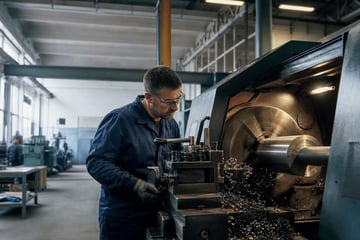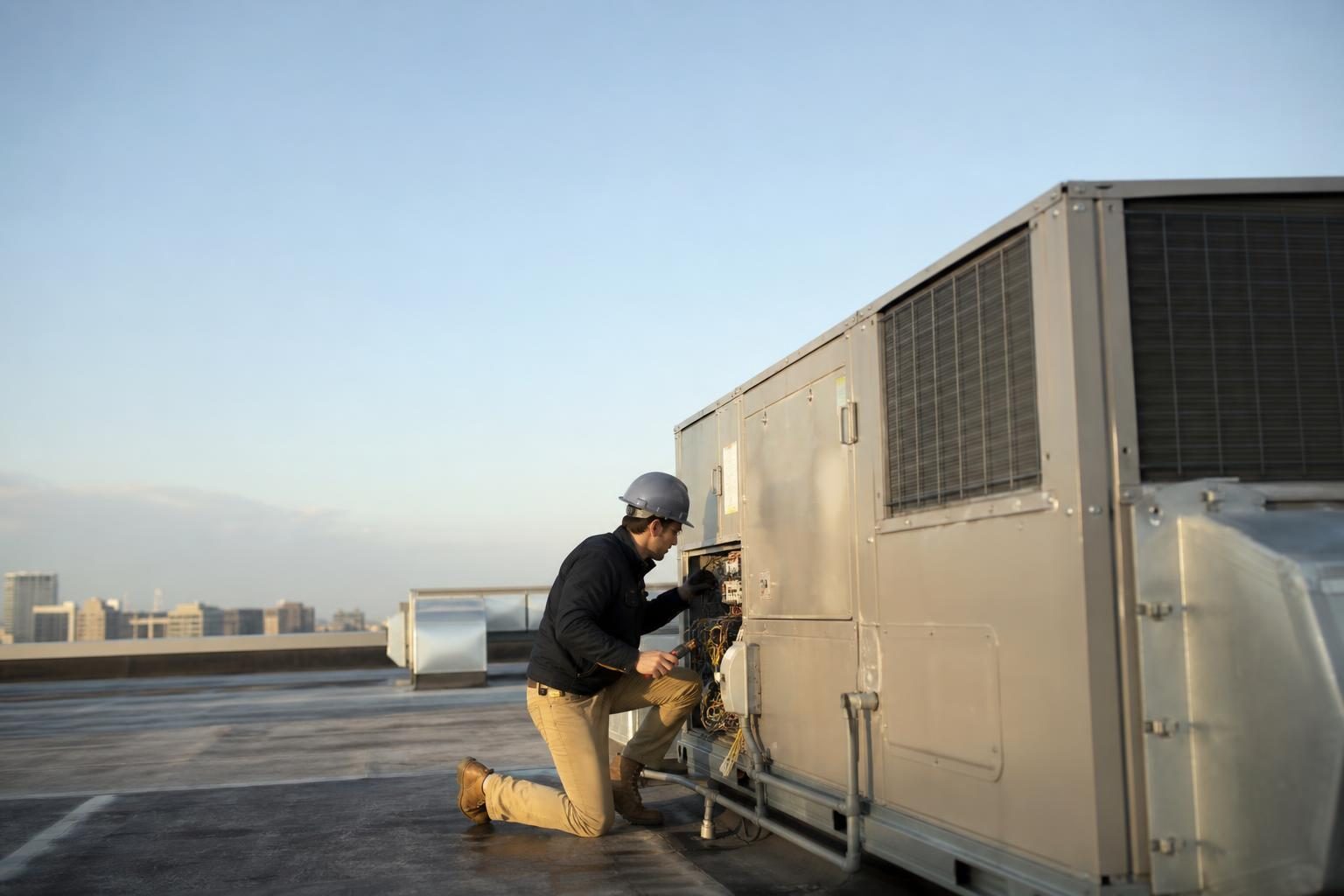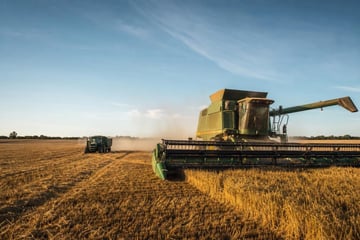

Agriculture equipment financing lets small farms and ranches acquire tractors, combines, harvesters, and other essential machinery without draining operating cash. The equipment itself serves as collateral, which keeps rates competitive compared to unsecured borrowing. For the 2026 tax year, the right financing structure can also improve your tax position—though you should confirm specific deductions with a CPA.
If you are weighing a tractor purchase or upgrading a planter before next season, talk to a specialist about your specific machine and see what terms are available.
What Qualifies as Agriculture Equipment
Lenders categorize agriculture equipment broadly. Tractors, combines, cotton pickers, forage harvesters, and grain carts fall squarely into the category. So do planters, seeders, sprayers, tillage tools, and hay equipment like balers and mowers. Livestock producers can finance handling systems, feed mixers, and milking parlor equipment. Irrigation systems, grain bins, and cold storage units attached to a farming operation also typically qualify.
The key distinction is commercial use. Equipment bought for personal homesteading or hobby farming may not meet a lender's criteria. The machine must support income-producing agricultural activity. Provide Capital finances new and used business equipment from $5,000 to $5 million, so everything from a compact utility tractor to a full-line combine operation can fit within the program.
Attachments and implements often finance alongside the primary unit. A tractor financed with a loader, rotary cutter, and box blade counts as one transaction if purchased from the same vendor at the same time. This bundling simplifies paperwork and can improve the overall rate because the total loan amount is larger.
Get a fast decision on your equipment
Applying takes just a few minutes, and decisions can come as soon as the same day.
Start Your ApplicationFinancing Options for Farm Equipment
Most small agricultural operations choose between an equipment loan and an equipment lease. The difference matters for ownership, monthly payment, and tax treatment. Understanding both structures helps you pick the one that aligns with your cash flow and long-term equipment strategy.
Equipment Loans
With a loan, you own the equipment from day one. The lender files a lien against the machine as collateral. You make monthly payments over a term that usually runs from 24 to 72 months, depending on the equipment's useful life and cost. Once the final payment clears, the lien releases and you hold clear title.
Loans suit owners who plan to keep equipment for its full productive life. A row-crop farmer who runs a tractor for 10 years or more will typically come out ahead with a loan versus repeated lease cycles. Because the equipment secures the debt, rates vary by credit profile, equipment age and term.
Equipment Leases
A lease functions more like rent-to-own. You make monthly payments for a fixed term, often 36 to 60 months. At the end, you may return the equipment, buy it at fair market value, or exercise a nominal purchase option depending on the lease structure. The monthly payment is usually lower than a loan payment for the same equipment cost, but the total cost of ownership can be higher if you exercise a buyout.
Leases work well for equipment that technology changes quickly, or for operations that need to preserve cash flow during expansion. A dairy installing automated milking systems might lease the first unit to test return on investment before committing capital to a full barn conversion.
| Feature | Equipment Loan | Equipment Lease |
|---|---|---|
| Ownership | You own from day one | Lender owns during term |
| Down payment | Often 0% to 20% | Often first and last payment |
| Monthly payment | Higher | Lower |
| Tax treatment | Interest deductible; depreciation available | Full lease payment often deductible |
| End of term | Free and clear title | Return, buyout, or renew |
| Best for | Long-term keepers | Technology turnover or cash preservation |
Key Insight: Lenders evaluate the equipment's liquidation value because the machine is the collateral. A three-year-old tractor from a major dealer with a strong parts network holds value differently than a no-name import sold at auction. That residual value affects your approval odds and the rate you are offered.
New vs. Used Farm Equipment Financing
New equipment carries a full manufacturer warranty, the latest efficiency standards, and often longer available financing terms. A new combine might qualify for a 7-year term because the lender expects a long useful life. The downside is upfront cost and steeper first-year depreciation.
Used equipment lowers the acquisition cost and can still be financed aggressively if the machine has solid maintenance records and remaining life. Lenders typically cap the term based on age at maturity—the loan should end before the equipment reaches a certain age, often 10 to 12 years old. A $60,000 used tractor that is 5 years old might qualify for a 4- or 5-year term, while the same model new could stretch to 6 or 7 years.
Before financing used equipment, obtain a third-party inspection. Hydraulic leaks, engine hours, and transmission health directly affect the machine's value as collateral. If the lender orders an appraisal and it comes back low, you may need to renegotiate the purchase price or put more money down.
Pro Tip: Schedule your purchase so funding occurs in the tax year you want to claim. If you need the deduction for the 2026 tax year, the equipment must be placed in service and funded by December 31, 2026. Waiting until January pushes the benefit into the next tax year.
What It Takes to Qualify
Lenders look at four main factors for agriculture equipment financing: credit history, time in business, equipment details, and cash flow. Each carries weight, and a weakness in one area can sometimes be offset by strength in another.
Credit Requirements
A strong personal credit score helps, but it is not the only factor. Many lenders will work with borrowers in the mid-600s if the equipment holds value and the business shows stable revenue. Lower scores may still qualify with a larger down payment or shorter term. Because the equipment secures the loan, the collateral quality partially offsets credit risk.
Time in Business
Most equipment lenders prefer 2 or more years in operation. Established farms have track records lenders can verify through tax returns. That said, some programs accommodate newer operations if the borrower has significant industry experience or a strong co-signer. An established operation with filed returns will find the smoothest path.
Documentation Needed
Expect to provide the prior 2 years of business tax returns, a current personal financial statement, and a purchase invoice or equipment description. For used equipment, the lender may want photos, serial numbers, and maintenance records. If you buy through a dealer, they often package this for you. Private-party sales require more legwork on your end.
Cash Flow and Seasonality
Farming cash flow is seasonal. Lenders know that a grain operation earns the bulk of revenue at harvest. Some lenders offer skip-payment or seasonal structures that match payments to income timing. Ask whether your lender can structure payments around your harvest or calving cycle rather than demanding flat monthly amounts year-round.
Tax Treatment for the 2026 Tax Year
For the 2026 tax year, Section 179 of the Internal Revenue Code allows businesses to deduct the full purchase price of qualifying equipment in the year it is placed in service, up to an annual limit that adjusts for inflation. The exact dollar limit for 2026 depends on the IRS inflation adjustment, so consult your CPA for the current-year ceiling and whether your taxable income supports the full deduction.
Bonus depreciation may also apply to new and used equipment, though the percentage has been phasing down under current law. For 2026, the available bonus depreciation rate depends on legislative status at the time of purchase. Your CPA can model whether Section 179, bonus depreciation, or standard MACRS depreciation produces the best outcome for your operation.
The equipment must be used more than 50 percent for business to qualify. If you also use the tractor for personal property maintenance, keep a mileage or hour log to support your business percentage. Claiming the full deduction on a machine that is only 60 percent business-use can trigger an audit.
By the Numbers: Monthly payments on a $150,000 tractor typically range from approximately $2,400 to $2,800 over a 60-month term, though rates vary by credit profile, equipment age and term. A $40,000 hay baler on a 48-month term might run $700 to $900 per month. These ranges assume standard amortization and do not include seasonal structures or balloon options.
Find the right financing structure
Tell us about the equipment you need and we will show you the options that fit your business.
See Your OptionsReal-World Equipment Scenarios
Understanding how financing applies to actual purchases helps you budget before you talk to a dealer.
A Midwest row-crop operator buying a $180,000 used combine with a 15 percent down payment finances $153,000. On a 5-year term, the monthly payment might fall between $2,500 and $2,900. The operator retains harvest cash for input costs and claims depreciation on the 2026 tax return.
A cattle rancher purchasing a $45,000 tractor and loader for fence-line maintenance and feeding might put 10 percent down and finance $40,500 over 4 years. That monthly payment could land in the $750 to $950 range. Because the ranch generates year-round income from calf sales, flat monthly payments fit naturally.
A specialty vegetable farm leasing a $22,000 walk-behind tractor and bed shaper for a 3-year term might pay roughly $400 to $500 monthly. At lease end, the farm can buy the equipment for the residual or upgrade to a larger model as acreage expands.
A hay producer expanding from 200 to 400 acres might bundle a $35,000 mower-conditioner, a $28,000 baler, and a $15,000 rake into one $78,000 financing package. Spreading that over 5 years could yield a single monthly payment in the $1,300 to $1,550 range, simplifying bookkeeping during busy season.
Industry-Specific Equipment Needs
Different agricultural sectors finance different equipment profiles and face different seasonal pressures. Matching your financing structure to your operation type prevents cash crunches.
Row-crop operations prioritize tractors, planters, sprayers, combines, and grain carts. Timing matters: planting-window breakdowns can cost yield, so many operators keep a backup tractor or finance a new unit before the old one fails. Agriculture equipment financing programs understand this urgency and can move quickly during narrow pre-season windows.
Livestock producers need handling facilities, feed trucks, and manure spreaders. A feedlot expanding from 500 to 1,000 head might finance a mixer wagon and additional fencing equipment together. Skid Steers financing is common for moving bedding and feed in tight barn spaces where larger loaders cannot maneuver.
Dairy operations face unique capital demands with milking parlors, bulk tanks, and cooling equipment. Because dairy generates daily revenue, lenders often view the cash flow as predictable, which can support larger equipment loans. A dairy upgrading from a tie-stall barn to a parlor might finance $250,000 in equipment across a 7-year term.
Specialty crop growers—vineyards, orchards, and organic vegetable farms—use narrower equipment. They may finance multi-row cultivators, overhead irrigation, or Dump Trucks financing for moving produce from field to cooler. The smaller scale does not exclude them; programs start at $5,000.
The U.S. Census Bureau data consistently show that small family farms dominate the American agricultural landscape, which is why lenders structure products for operations that do not have corporate treasury departments. Equipment financing fills the gap between operating cash and machine cost.
Common Mistakes When Financing Farm Equipment
Buying too much machine is the most common error. A 500-horsepower tractor looks impressive, but if 200 horsepower handles your acres, the extra payment strains cash flow without generating proportional income. Match equipment size to actual workload, not aspiration.
Ignoring total cost of ownership leads to surprises. Fuel efficiency, maintenance intervals, and parts availability affect the real annual cost more than the monthly payment does. A cheaper monthly payment on a thirsty, unreliable machine can exceed a higher payment on efficient equipment over a 5-year ownership period.
Skipping the title and lien check on used equipment creates legal risk. If the seller has outstanding debt secured by the tractor, the lender's lien may not clear properly. Always verify that the title is clean or that the lender handles payoff as part of funding.
Waiting too long to apply compresses your negotiating power. If you need the planter by March 15, applying on March 1 leaves no room for documentation delays or appraisal scheduling. Start the process 30 to 45 days before you need to take delivery.
The Small Business Administration emphasizes that preparation improves approval odds. Having your tax returns, equipment quote, and insurance agent lined up before you apply turns a multi-week process into a same-day decision.
If you have a specific purchase in mind, get a same-day decision on your equipment so you can negotiate with funding already arranged.
What Happens After Approval
Once approved, the lender issues a funding letter or direct payment to the vendor. For dealer purchases, the lender typically wires funds directly upon receipt of the invoice and proof of insurance. For private-party sales, the lender may issue a check to the seller after verifying title and condition.
You will need to insure the equipment, naming the lender as loss payee. Most farm policies accommodate this with a simple endorsement. After funding, payments begin according to the schedule. Some lenders offer online portals or automatic ACH withdrawals to simplify administration.
If you sell or trade the equipment before the loan matures, you must pay off the remaining balance. The lender releases the lien upon receipt of the final payment, allowing you to transfer clean title to the buyer. Agricultural equipment values can fluctuate, so check the payoff against market value before listing a machine for sale.
Put the right equipment to work
From $5,000 to $5 million, new or used, Provide Capital helps businesses nationwide finance the equipment they need.
Apply TodayFrequently Asked Questions
Can I finance used farm equipment?
Yes. Used equipment is commonly financed, often with terms matching the remaining useful life. Expect to provide maintenance records and allow an inspection or appraisal. Private sellers may need to wait for title verification, which adds a few days to the timeline.
What credit score do I need?
There is no fixed minimum, but a score in the mid-600s or higher improves your rate and term options. Lower scores may still qualify with a larger down payment or shorter amortization. The equipment's collateral value matters as much as the credit score in many decisions.
How long can I finance a tractor?
Terms typically range from 24 to 72 months depending on the tractor's age, cost, and expected life. New tractors often qualify for longer terms than used units. Lenders want the loan to mature while the machine still has meaningful value.
Is a down payment always required?
Not always. Many programs offer zero-down financing for well-qualified buyers. Riskier credit profiles or older equipment may require 10 to 20 percent down. Putting money down reduces the lender's risk and usually improves your rate.
Can I finance equipment from a private seller?
Yes, though the process involves additional steps. The lender must verify title, condition, and value. Private sales often take longer than dealer transactions because the seller may not have maintenance records organized or a clean title immediately available.
How fast can I get approved?
Same-day approvals are possible when documentation is complete. Complex deals or private-party purchases may take several days to fund. Dealer relationships speed the process because the vendor already has insurance and invoice systems aligned with the lender.
Does the equipment brand matter?
Brand can influence residual value and therefore approval odds. Major brands with established dealer networks and parts availability are viewed more favorably by lenders. A widely recognized tractor line will typically secure better terms than an obscure import with limited service support.
Can I finance multiple pieces at once?
Yes. Bundling several items into one financing agreement can simplify paperwork and sometimes improve terms. Provide Capital finances equipment from $5,000 to $5 million, so bundled deals are routine whether you are buying two implements or outfitting an entire operation.
Key Insight: Seasonal payment structures can align with harvest cycles, reducing pressure during planting season. Not every lender offers skip payments or balloon structures, but agricultural specialists often do. Ask explicitly whether your payment schedule can follow your cash flow rather than a rigid calendar.
Next Steps
Start by defining the equipment you need, the vendor or seller, and your target delivery date. Gather your last 2 tax returns and a current personal financial statement. Then request a quote that reflects your credit profile, the equipment age, and your preferred term.
Agricultural equipment costs have climbed steadily, a trend tracked by financial publications including Reuters. Financing locks in your acquisition cost and preserves liquidity for seed, fertilizer, and labor. Plan the purchase before the season forces your hand.
See what you qualify for today so you can shop for your next tractor, combine, or livestock system with confidence.
Disclaimer: The information provided in this article is for general educational purposes only and is not financial, legal, or tax advice. Funding terms, qualifications, and product availability may vary and are subject to change without notice. Provide Capital does not guarantee approval, rates, or specific outcomes. For personalized information about your business funding options, contact our team directly.