If you are buying a $75,000 excavator or a $125,000 commercial oven, you will usually face two financing doors: the dealer's in-house program or an independent equipment lender. For most established owner-operators, the independent route saves money and keeps options open, but dealer financing can make sense when convenience or captive incentives matter. Understanding the difference before you walk onto the lot protects your leverage and your cash flow.
How Dealer Financing Actually Works
Dealer financing is arranged at the point of sale, usually through a captive finance company owned by the equipment manufacturer or a third-party lender integrated into the dealer's sales desk. The application is often a single-page credit app folded into your purchase paperwork. You fill it out after you have already picked a machine, which means the financing conversation happens after the equipment decision is made.
Captive vs Third-Party Dealer Programs
Captive lenders exist primarily to move inventory for the manufacturer. They may subsidize rates on new equipment, offer seasonal payment structures, or bundle service contracts into the deal. These programs are strongest on new, late-model units where the manufacturer still carries warranty risk. Third-party programs at the dealership are simply banks or brokers that pay the dealer a referral fee or reserve. The paperwork looks the same to you, but the back-end economics differ, and the dealer may have an incentive to steer you toward the program that pays them the most rather than the one that costs you the least.
What the Paperwork Looks Like
Dealer financing usually bundles the equipment invoice, financing agreement, and sometimes insurance or maintenance contracts into one signing session. That convenience is real, and it can save you an afternoon of emailing documents. However, bundling also reduces your leverage to negotiate the cash price of the machine separately from the finance terms. When the price and the payment are negotiated as a package, you cannot tell whether you received a discount on the equipment or simply a longer loan that hides the markup.
Key Insight: Dealers sometimes earn a reserve payment from the lender based on the interest rate they quote you. A rate markup of just 1-2 percentage points on a $100,000 loan over 60 months can shift thousands of dollars from your bottom line to the dealer's. Always ask for a rate sheet or a pre-approval from an independent source before you sit down at the sales desk.
Get a fast decision on your equipment
Applying takes just a few minutes, and decisions can come as soon as the same day.
Start Your ApplicationHow Independent Equipment Lenders Operate
Independent lenders like Provide Capital finance equipment across brands, dealers, auctions, and private-party transactions. The equipment itself serves as collateral, which keeps rates competitive and lets us serve borrowers with varied credit profiles. Because we are not tied to a manufacturer, our job is to get you the best terms on the asset you actually need, not the unit a dealer needs to move. Equipment loans remain a core funding tool for owner-operators with physical assets, a point emphasized in SBA guidance on business financing.
Credit Decisions and Collateral
Because the machine backs the loan, independent lenders can often approve deals that unsecured lenders decline. We review time in business, the equipment type, and the asset's liquidation value rather than relying solely on a credit score. A transportation company buying a used day cab or a forestry contractor financing a feller buncher can be evaluated on the revenue the asset generates, not just the borrower's personal credit history.
Term Flexibility
Independents typically offer 24- to 84-month terms on amounts from $5,000 up to $5 million. Seasonal skip-payment structures, graduated payments, and $1 buyout leases are usually easier to negotiate outside a captive program. If your business is seasonal—construction in the northern states, agriculture at harvest—those flexibilities matter more than a slightly lower headline rate.
Dealer Financing vs Independent Lender — At a Glance
The table below lays out the practical differences you will notice when you finance your next machine.
| Factor | Dealer Financing | Independent Lender |
|---|---|---|
| Application location | At point of sale | Online or phone, any time |
| Equipment selection | Usually one brand or dealer lot | Any dealer, auction, or private seller |
| Typical term range | 36–60 months | 24–84 months |
| Approval speed | Same day to 48 hours | Same day possible |
| Collateral | Equipment only | Equipment only |
| Documentation required | Minimal upfront | Bank statements, equipment quote |
| Negotiation room | Low—bundled package | Higher—terms unbundled from price |
| Used equipment options | Limited to certified pre-owned | Broader age and hour range |
When you use this table, focus on the columns that affect your total cost and operational flexibility, not just the application process. A longer term or broader equipment selection often matters more than a slightly faster approval.
Cost Considerations Beyond the Monthly Payment
The monthly payment is only part of the story. A low payment stretched over a longer term can mask a significantly higher total cost of borrowing.
Rate Structures and Fees
Dealer programs sometimes quote a 'payment factor' rather than an interest rate, which makes it harder to compare offers apples-to-apples. Independent lenders usually disclose an APR or lease rate factor clearly. Rates vary by credit profile, equipment age and term. Ask every lender for the total finance charge over the life of the agreement, not just the monthly number. Industry reporting, including Forbes coverage of business finance, regularly notes that point-of-sale borrowers focus on payments while the total cost of borrowing stays hidden.
Balloons and Buyouts
Captive lenders on new equipment frequently structure deals with a large residual balloon to keep payments low. That works if you plan to trade the machine in at month 48, but if you intend to own it outright, you may face a $15,000 or $20,000 final payment. A $1 buyout lease or standard installment loan from an independent lender is usually cleaner for owners who plan to run the equipment for its full useful life.
Pro Tip: If a dealer quotes you a payment factor instead of an APR, multiply the factor by 2,400 to approximate the annual rate on a 60-month term. Use that shortcut to compare the dealer's offer against an independent lender's term sheet before you sign.
Tax Treatment for the 2026 Tax Year
For the 2026 tax year, Section 179 allows businesses to deduct the full purchase price of qualifying equipment up to the annual limit set by Congress and adjusted for inflation. Bonus depreciation continues to phase down from its peak levels in prior years. Exact 2026 limits are determined by the IRS; consult a CPA to confirm how first-year expensing applies to your entity structure and state tax situation. Do not rely on 2025 or earlier figures for a purchase you place in service during 2026. Whether you choose a loan or a lease will also affect who claims the depreciation, so review the structure with your accountant before you commit.
Industry-Specific Considerations
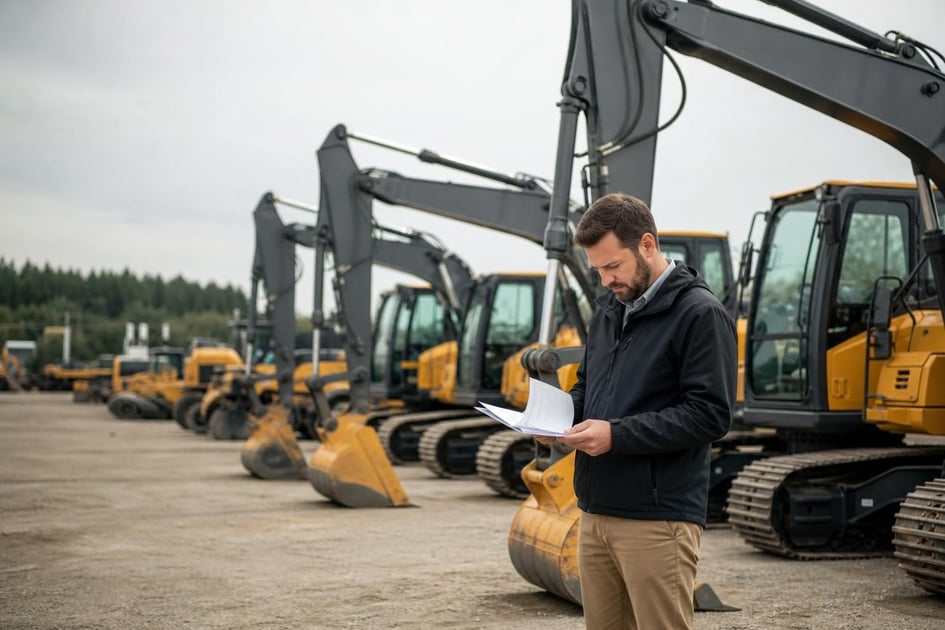
Construction, transportation, and food service remain among the largest small-business equipment sectors nationwide, a pattern confirmed by U.S. Census business data. A construction contractor buying a Wheel Loaders financing package faces different seasonality than a restaurant operator financing Commercial Ovens financing. Dealer financing for construction equipment is often strongest on new iron backed by manufacturer warranties, while food-service dealers may push bundled installation and maintenance contracts into the note.
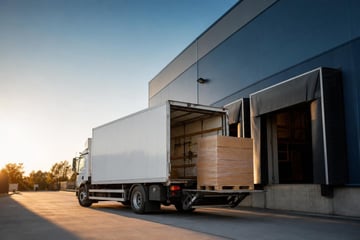
Transportation carriers often need multiple units quickly. Independent lenders can approve a bundle of assets from different sellers under one master line, while dealer programs lock you to one OEM's lot. For operators running dry vans, reefers, or flatbeds, Transportation equipment financing through an independent channel lets you comparison-shop chassis and upfitters separately, which matters when body-build lead times differ across brands.
Find the right financing structure
Tell us about the equipment you need and we will show you the options that fit your business.
See Your OptionsNew vs. Used Equipment Implications
Dealer financing is easiest to secure on new or certified-used machines still under factory warranty. Once equipment passes five to seven years of age, captive programs often drop out entirely. If you are looking at a 10-year-old machine with solid maintenance records, the dealer's finance desk may simply say no.
Independent lenders routinely finance used equipment up to 10 to 15 years old, depending on hours, condition, and market demand. That matters for earthwork contractors looking at Dump Trucks financing or Skid Steers financing from the secondary market. The collateral-based approach means the lender underwrites the asset's remaining useful life and resale value, not just the borrower's credit score. A well-maintained used unit can generate the same revenue as a new one at a fraction of the monthly payment, which improves your cash-on-cash return.
Used equipment also depreciates more slowly in the early years of ownership, which reduces the gap between your loan balance and the machine's market value. That equity cushion matters if you need to sell or refinance before the note is paid off.
By the Numbers: On a $100,000 loan over 60 months, a 2% rate markup adds roughly $5,200 in total interest. On a $250,000 term over 72 months, the same markup costs more than $15,000. Those are real dollars that could fund your next hire or your next piece of revenue equipment.
Qualification Criteria
Dealer captive programs usually reserve their best terms for borrowers with strong personal credit and two or more years in business. Independent lenders can often work with one year in business and a broader credit spectrum, though stronger files still receive better rates.
The main factors we review include:
- Time in business: 1-2 years minimum for most independents; 2+ preferred
- Credit profile: 600+ can qualify; 680+ sees better terms
- Equipment age: newer is easier everywhere, but independents go older
- Down payment: 0-20% depending on risk; stronger credits often get zero down
- Collateral value: the asset must support the loan amount if liquidation is needed
- Revenue stability: bank statements showing consistent deposits help offset thin credit
If you have a 650 credit score, two years in business, and a concrete quote on a machine, you are in the sweet spot for most independent equipment lenders. If your score is below 600, expect to bring 10-20% down or accept a shorter term to offset the additional risk.
Documentation You'll Need
For dealer financing, sometimes just a driver's license and a signature are enough on smaller deals. For independent lenders, expect to provide:
- Last 3-6 months of business bank statements
- Equipment quote or invoice from the seller
- Business tax returns for requests above $150,000
- Proof of insurance once approved, naming the lender as loss payee
Some dealers roll insurance and extended warranties into the financing without itemizing them. An independent lender requires you to source your own insurance, which lets you shop the premium and avoid redundant coverage.
The extra 10 minutes of paperwork can save thousands over the life of the deal. It also forces you to review the equipment quote line by line before you commit, which reduces the chance of paying for add-ons you did not request.
Common Mistakes When Choosing
Comparing payments instead of total cost. A lower monthly payment stretched over 84 months almost always costs more than a higher payment over 60. Multiply the payment by the term count, add any upfront fees, and compare that total.
Financing the add-ons. Software subscriptions, extended warranties, and delivery fees rolled into the loan increase the amount you pay interest on. Finance the equipment, pay cash for the extras.
Accepting the dealer's first offer. Even if you return to the dealer, a competing quote from an independent lender gives you leverage to negotiate the rate or the price.
Ignoring the buyout. A 10% purchase option lease looks cheap until you owe $18,000 on a $60,000 machine in month 60. Know your end-of-term obligation before you sign.
Not checking prepayment penalties. Some dealer programs charge a prepayment penalty or use the Rule of 78s to front-load interest, which makes early payoff expensive. Independent lenders are more likely to offer simple-interest loans with no prepayment penalty.
If you are ready to compare terms outside the dealership, see what you qualify for before you sign the next equipment deal.
What Happens After Approval
With Provide Capital, same-day approvals are possible on straightforward deals under $500,000. Once approved, you receive a term sheet spelling out the rate, term, payment, and any collateral requirements. After you sign and provide proof of insurance, funds are sent directly to the seller or, in some cases, reimbursed to you if you already paid cash to secure the machine. You take delivery, and payments begin according to the schedule you selected.
The process is deliberately transparent. You will know the total cost, the exact payment amount, and your options for early payoff before you ever take delivery. That predictability matters when you are managing payroll, fuel, materials, and job timelines.
Ready to move forward?
More than 10,000 businesses have financed equipment with Provide Capital. See what you qualify for today.
Get StartedFAQ
Can I finance equipment from a private seller with dealer financing?
No. Dealer financing is tied to a specific dealership or manufacturer network. If you find a machine on Craigslist, at auction, or through a broker, you will need an independent lender or a bank that specializes in equipment finance.
Will applying with an independent lender hurt my credit?
Most equipment lenders perform a hard inquiry, which may cause a small, temporary dip. However, multiple inquiries for the same type of financing within a 14- to 30-day window are usually treated as a single shopping event by the credit bureaus.
Is dealer financing ever cheaper than an independent lender?
Sometimes, on new equipment with manufacturer subsidies. Captive lenders occasionally offer promotional rates to move inventory. Just make sure the promotional rate is not masking a higher equipment price or inflated fees elsewhere in the deal.
Can I get financing with a 600 credit score?
Yes. Many independent equipment lenders approve deals in the 600-650 range, especially if the equipment holds value and you have 1-2 years in business. Expect a slightly higher rate or a modest down payment.
Should I lease or loan the equipment?
It depends on your tax strategy and how long you plan to keep the asset. A loan puts depreciation on your balance sheet and builds equity. A true lease may offer lower payments and let you refresh equipment faster, but you do not own it at the end. Talk to your CPA about which structure fits your 2026 tax plan.
How fast can I get funded?
Dealer programs can fund same day if the paperwork is clean. Independent lenders like Provide Capital can also deliver same-day approvals on straightforward deals, with funding often within 24-48 hours after documents are signed.
Can I refinance equipment I already bought with dealer financing?
In most cases, yes. If you are six months into a dealer note and find better terms, an independent lender can pay off the existing balance and rewrite the deal. Just verify that your current agreement does not carry a prepayment penalty that would erase the savings.
What types of equipment can I finance with an independent lender?
Provide Capital finances new and used business equipment from $5,000 to $5 million across construction, healthcare, dental, restaurant and food service, manufacturing, transportation, agriculture, HVAC, and forestry nationwide. If the asset generates revenue for your business, it likely qualifies.
Choose the Structure That Fits the Asset
Dealer financing is convenient, and on new equipment with strong subsidies it can be competitive. For most owner-operators shopping used machines, buying across multiple brands, or needing terms that match a seasonal cash flow, an independent lender offers more control and usually a lower total cost. The key is to separate the equipment negotiation from the financing negotiation. Get a pre-approval from an independent source, walk onto the lot with leverage, and make the decision that leaves the most cash in your business.
Get a same-day decision on your equipment and keep your purchasing power intact.
Disclaimer: The information provided in this article is for general educational purposes only and is not financial, legal, or tax advice. Funding terms, qualifications, and product availability may vary and are subject to change without notice. Provide Capital does not guarantee approval, rates, or specific outcomes. For personalized information about your business funding options, contact our team directly.