What No-Money-Down Transportation Financing Actually Means
Transportation equipment financing with no money down means the lender uses the equipment itself as the primary collateral, letting you acquire a commercial vehicle without tying up cash in a large upfront payment. For an owner-operator adding a box truck or a fleet manager expanding with a flatbed or reefer, this structure preserves working capital for fuel, insurance, licensing, and payroll while spreading the equipment cost across predictable monthly payments.
Provide Capital finances new and used business equipment from $5,000 to $5 million. Because the equipment secures the financing, rates remain competitive relative to unsecured borrowing. Rates vary by credit profile, equipment age and term. A borrower with strong credit financing a late-model vehicle on a shorter term will typically see more favorable pricing than a lower-credit applicant seeking an older unit on a stretched amortization. Same-day approvals are possible when the application is complete and the equipment details are clear.
Key Insight: A no-money-down structure does not mean the lender ignores your credit or business history. It means the loan-to-value is based on the equipment’s wholesale or retail value rather than requiring you to bridge the gap with cash. If the equipment is worth $80,000, a 100% advance on that value covers the purchase price. Soft costs like delivery and installation may need to be paid separately or rolled in depending on the overall credit picture.
Already have a machine in mind?
Provide Capital finances new and used equipment from $5,000 to $5 million, with same-day decisions possible.
Apply NowWhat Qualifies as Transportation Equipment
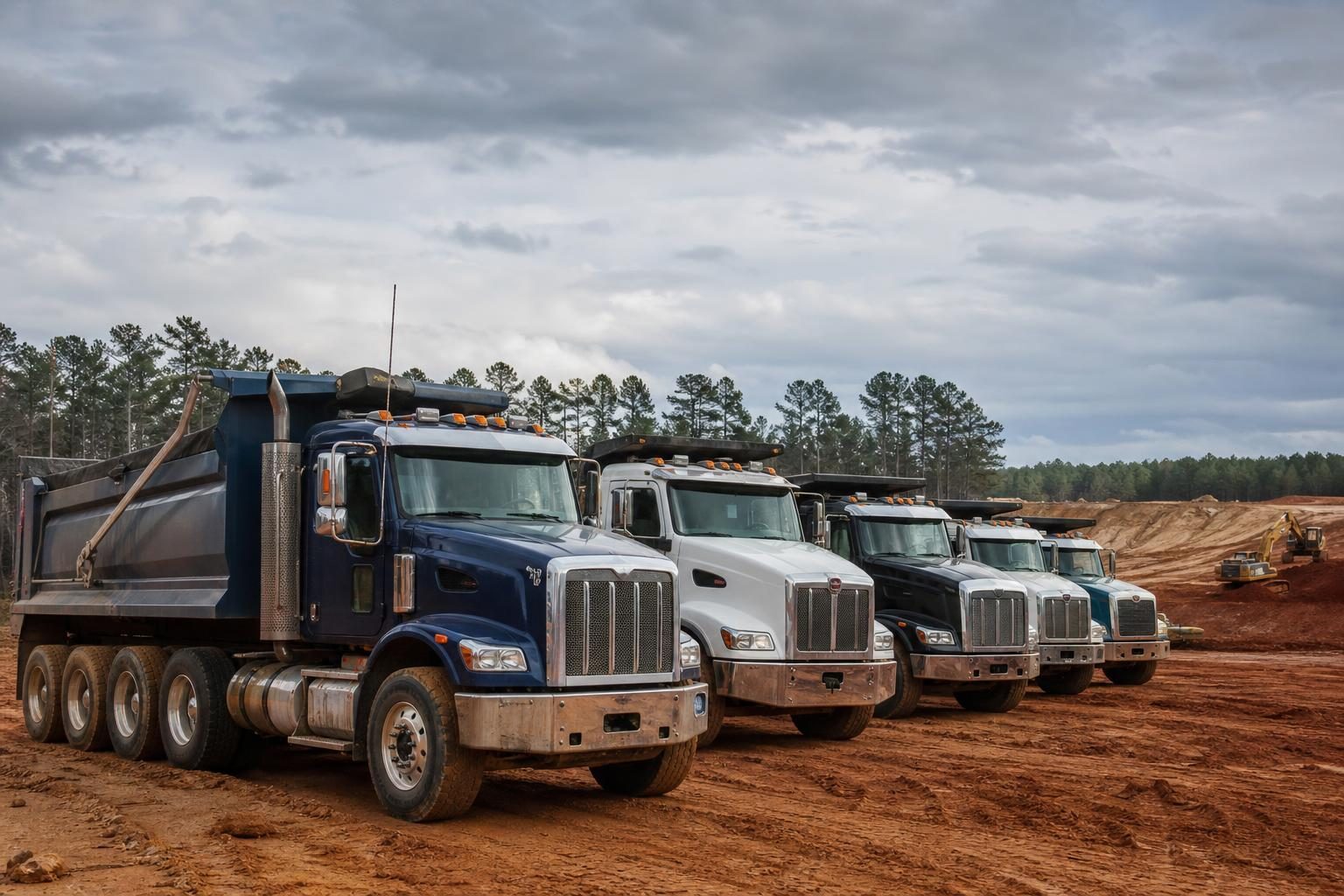
The category is broader than long-haul semis. Lenders in this space finance box trucks, cargo vans, flatbeds, step decks, refrigerated trailers, dry vans, tow trucks, rollbacks, car haulers, dump trucks, and bucket trucks. The key distinction is that the vehicle must be used primarily for business income, not personal transportation. A one-ton dually pulling a gooseneck trailer for a hotshot operation qualifies. A personal pickup used occasionally for side jobs may not.
Age and Mileage Guidelines
Age and mileage matter. Most lenders prefer units under 10 years old at origination with fewer than 750,000 miles for Class 8 trucks. Medium-duty trucks such as box trucks and service bodies may see limits around 10 to 12 years or 200,000 miles. Exceeding those thresholds does not automatically disqualify you, but it may shorten the available term or require additional collateral. Provide Capital evaluates the specific asset, so a well-maintained 8-year-old Freightliner with documented service history can still secure attractive terms.
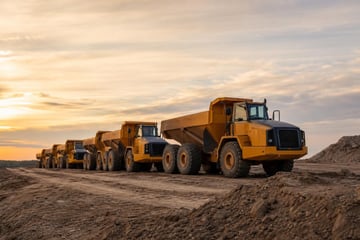
Related equipment often works alongside transportation assets. A construction contractor moving dirt may pair a Dump Trucks financing package with loaders. A utility contractor may add a Bucket Trucks financing line for overhead line work. If your operation needs wheeled loading equipment at the yard, Wheel Loaders financing is available under the same collateral-based structure.
New vs. Used Equipment: Financing Implications
New trucks and trailers carry the full manufacturer’s warranty, lower anticipated maintenance costs in the first few years, and typically qualify for the longest financing terms—often 60 to 84 months for Class 8 tractors and up to 84 to 120 months for trailers depending on the lender’s policies. The predictable cash flow makes budgeting easier, and newer emissions-compliant engines reduce the risk of unexpected downtime in states with strict inspection standards.
Used equipment lowers the acquisition cost significantly. A three-year-old Class 8 tractor might sell for 60% of its original MSRP while retaining half its warranty or drivetrain coverage. That depreciation hit has already been absorbed by the first owner. For a growing fleet, buying used is often the fastest way to scale without overleveraging. The trade-off is that financing terms compress as the asset ages. A 5-year-old truck might max out at a 48- or 60-month term. A 10-year-old unit might be limited to 36 months.
Inspection is critical on used transportation equipment. Request oil analysis, ECM reports showing idle time and hard-braking events, and a DOT inspection before closing. If the seller cannot produce maintenance records, treat that as a red flag. The lender will also review the serial number and title to confirm there are no undisclosed liens.
Pro Tip: When comparing new and used, look at the total cost of ownership over the financing term, not just the monthly payment. A used truck at $950 per month that needs $400 per month in average maintenance is more expensive than a new truck at $1,200 per month with a comprehensive warranty.
Lease vs. Loan: Choosing the Right Structure
The decision between leasing and financing a loan depends on how long you plan to keep the equipment, how many miles you expect to run, and how you want to treat the asset for tax purposes. A loan places title in your name from day one. You claim depreciation, and if you qualify, you may be able to deduct the full purchase price under Section 179 in the first year. At the end of the term, you own the truck free and clear.
A finance lease, sometimes called a $1 buyout lease, functions almost identically to a loan for tax purposes because you are considered the owner. A true operating lease, however, is structured as a rental agreement. You return the equipment at the end of the term or purchase it at fair market value. The lessor claims depreciation. You deduct lease payments as an operating expense. Operating leases often carry mileage limits, wear-and-tear clauses, and restrictions on modifications like wrap advertising or liftgate additions.
For owner-operators running high annual miles or planning to keep a truck for 10 years, a loan or finance lease is usually the better fit. For businesses that refresh equipment every three to four years to avoid maintenance risk, an operating lease can make sense despite the restrictions.
| Factor | Equipment Loan / Finance Lease | True Operating Lease |
|---|---|---|
| Ownership | You own the asset; equity builds | Lessor owns the asset |
| Monthly Payment | Higher; paying off full value | Lower; paying for use only |
| Mileage Limits | None | Annual caps apply |
| Modification Allowed | Yes | No without consent |
| Tax Treatment | Depreciation and Section 179 (consult CPA) | Deduct payments as expense |
| End of Term | Free and clear ownership | Return, renew, or buy at FMV |
Tax Treatment for the 2026 Tax Year
Equipment financing interacts with the tax code in ways that can significantly reduce your net cost if you plan correctly. For the 2026 tax year, Section 179 allows businesses to deduct the full purchase price of qualifying equipment in the year it is placed in service, subject to an annual deduction limit set by Congress. The exact dollar limit for 2026, along with the phase-out threshold, should be confirmed with your CPA because these figures adjust for inflation and legislative changes.
Bonus depreciation may also apply to new and used qualifying equipment in 2026, but the percentage has been stepping down in recent years. Depending on the current IRS guidance for 2026, the available bonus percentage may be lower than in prior years. Because the phase-down schedule and interaction between Section 179 and bonus depreciation are complex, you should not rely on a blog post for the final number. Speak with a CPA who knows your specific tax situation before you time the purchase.
One common point of confusion: you do not need to pay cash to claim Section 179. If you finance the equipment with no money down and the loan is in your name, you are the owner and can take the deduction. The financing method does not change the ownership status for tax purposes. With a true operating lease, the lessor typically retains ownership and depreciation rights while you deduct the lease payments.
By the Numbers: A borrower in the 24% federal tax bracket who qualifies for a first-year deduction on a $75,000 truck could reduce their tax liability by roughly $18,000, plus any state tax benefit. Spread over a 60-month term at competitive rates, the after-tax net cost of ownership drops sharply compared to paying cash upfront and losing the time value of that capital.
Find the right financing structure
Tell us about the equipment you need and we will show you the options that fit your business.
See Your OptionsHow the Approval Process Works
Collateral-based transportation financing moves faster than general business lending because the decision centers on the equipment value and your ability to service the debt, not just your credit score alone. The basic application covers time in business, annual revenue, the equipment being purchased, and the seller’s information. Most applicants should have at least two years in business, though exceptions exist for strong credits or high-equity deals.
Underwriting will review your business bank statements to verify cash flow, your business tax returns to confirm revenue history, and a credit report to assess payment history. For larger transactions, a debt-service coverage ratio calculation compares your net operating income to the proposed equipment payment. A ratio above 1.25 is generally preferred. The equipment itself is appraised or valued using industry guides like Truck Blue Book or auction comparables.
Documentation required typically includes a valid driver’s license, business formation documents, the equipment quote or purchase agreement, and recent bank statements. On transactions over a certain threshold, additional financials like a current profit-and-loss statement or balance sheet may be requested. Once approved, funds are usually sent directly to the seller or dealer, not to you personally, ensuring clean title transfer.
Pro Tip: Get pre-approved before you shop. A pre-approval letter tells the seller you are a serious buyer and gives you leverage to negotiate the cash price. It also prevents the disappointment of finding the right truck only to discover a title issue or inflated asking price that pushes the loan-to-value outside the lender’s parameters.
If you are ready to move, get a same-day decision on your equipment by submitting an application with the serial number and seller details ready.
Industries and Use Cases
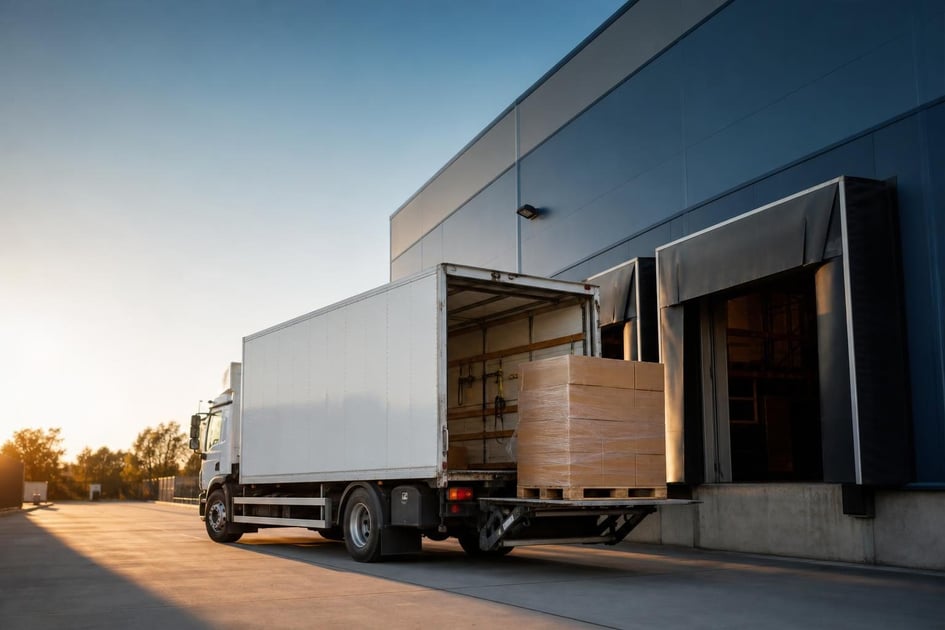
Transportation equipment financing serves a wide range of sectors beyond over-the-road freight. Local last-mile delivery contractors use step vans and box trucks to fulfill e-commerce routes. Food service distributors finance refrigerated trucks to maintain cold-chain compliance from warehouse to restaurant. Construction companies rely on Dump Trucks financing to move aggregate between sites. Utility and telecom contractors mount aerial platforms on chassis financed through Bucket Trucks financing.
Agriculture operations haul livestock, grain, and equipment with gooseneck and fifth-wheel trailers. Waste haulers run roll-off trucks and front-loaders on routed schedules. Hotshot drivers use one-ton pickups and flatbeds to move time-sensitive loads without the overhead of a full Class 8 fleet. Each of these niches has different mileage patterns, seasonal cash flows, and equipment life cycles, which is why working with a lender that understands Transportation equipment financing matters more than applying through a generic loan portal.
Seasonal patterns also affect timing. Construction-related hauling often picks up in early spring, so contractors shopping in January and February may find better used inventory before the rush. Refrigerated equipment demand peaks before summer produce season. Planning your acquisition during slower market windows can improve selection and negotiating room. The U.S. Census Bureau consistently identifies transportation and warehousing among the largest small-business employment sectors, which means demand for financed equipment remains steady even as interest rate environments shift.
Common Mistakes Buyers Make
The most expensive error is buying equipment that is too old or too high-mileage for the intended use. A 12-year-old tractor with 900,000 miles may look like a bargain at $25,000, but if the lender will only finance it over 24 months, the monthly payment plus maintenance can exceed the cost of a newer unit on a 60-month term. Always match the equipment age to the financing term and your expected hold period.
Another mistake is failing to budget for the total cost of ownership beyond the payment. Commercial auto liability insurance for a heavy truck can run $8,000 to $14,000 per year depending on radius, cargo, and driving record. IFTA fuel taxes, permits, DOT inspections, and escrow accounts for tires and maintenance add up quickly. A no-money-down financing package frees your cash, but it does not eliminate these ongoing obligations.
Some buyers confuse a finance lease with a true lease and are surprised at the end of the term when they owe a balloon payment or fair-market buyout. Read the closing documents carefully. If the contract says you have a $1 purchase option, you are effectively buying the truck. If it says fair market value or 20% residual, you are in an operating lease and need to plan for that exit cost.
The SBA emphasizes that equipment financing helps small businesses preserve working capital for operations rather than tying it up in depreciating assets. Following that principle means borrowing responsibly and leaving room in your budget for the variable costs that come with running commercial equipment. Industry reporting from Reuters has noted that carriers who overextend on equipment payments without maintaining maintenance reserves are the first to face cash flow stress when freight rates soften.
Put the right equipment to work
From $5,000 to $5 million, new or used, Provide Capital helps businesses nationwide finance the equipment they need.
Apply TodayFrequently Asked Questions
Can I finance a truck with no money down if my credit is less than perfect?
Yes, though the structure may differ. Strong credit and documented revenue streamline the process. Applicants with challenged credit may still qualify if the equipment value and cash flow support the payment. The lender may require a shorter term, a stronger cosigner, or additional collateral. Rates vary by credit profile, equipment age and term, so a lower credit score generally means a higher monthly cost. The equipment itself is the primary collateral, which helps offset credit weaknesses.
What is the longest term available for transportation equipment?
New trailers and late-model Class 8 tractors can sometimes be financed up to 84 months. Medium-duty trucks and specialized bodies typically see terms of 60 to 72 months. Used equipment over 7 years old may be limited to 36 or 48 months. The term is always tied to the expected useful life of the asset and the lender’s risk model.
Can I finance a private-party sale?
Many lenders prefer dealer transactions because the title transfer process is standardized and the dealer can assist with lien perfection. Private-party sales are possible but require extra diligence. The lender will verify the seller owns the equipment free and clear, order a title search, and may require an independent inspection. The funding process usually takes a few extra days compared to a dealer sale.
Does the equipment have to be new?
No. Provide Capital finances both new and used business equipment. Used equipment is common in transportation because the initial depreciation curve is steep. As long as the unit meets age, mileage, and condition standards, it can collateralize the loan. A well-maintained used truck with documented service records often finances on the same competitive terms as a new unit, just over a shorter amortization.
What insurance coverage is required?
You will need comprehensive physical damage coverage naming the lender as a loss payee, plus liability coverage meeting federal and state minimums. For-hire carriers must maintain at least $750,000 to $1,000,000 in liability coverage depending on cargo type, though $1,000,000 is standard. The lender will verify coverage before funding and may require proof of renewal annually.
Can I pay off the loan early?
Most equipment loans allow prepayment, but the method varies. Some use a simple-interest structure where you pay only the accrued interest through the payoff date. Others may have a prepayment penalty if you pay off within the first 12 to 24 months. Review the loan agreement before signing. If early payoff is important to your strategy, ask your financing specialist to quote a structure without prepayment restrictions.
What happens if the equipment needs major repairs?
You are responsible for maintenance and repairs. The lender’s interest is in the collateral value, but they do not warranty the equipment. If you financed a used truck, consider setting aside a maintenance reserve of $0.15 to $0.20 per mile. Some borrowers purchase an extended warranty at the time of acquisition and roll the cost into the financing, though this depends on the dealer and the lender’s policy on soft-cost financing.
Do I need a commercial driver’s license to qualify?
Not necessarily for the financing itself. The lender cares about the equipment value and your ability to repay. However, if you are the primary driver and operating a vehicle that requires a CDL under federal law, the lender may want to confirm you are properly licensed for insurance and compliance reasons. If you employ drivers, be prepared to show proof of their credentials and your carrier authority if applicable.
Your Next Step
No-money-down transportation equipment financing is a practical tool for keeping cash in your business while adding revenue-producing assets. The key is to match the equipment age and type to a term you can afford, understand whether a loan or lease fits your tax strategy, and shop with pre-approval in hand. Provide Capital serves owner-operators and fleets nationwide, offering same-day approvals possible on qualifying applications for equipment from $5,000 to $5 million.
Whether you are adding your first box truck or expanding a twenty-unit fleet, talk to a specialist about your specific machine and see what structure works for your 2026 equipment plans.
Disclaimer: The information provided in this article is for general educational purposes only and is not financial, legal, or tax advice. Funding terms, qualifications, and product availability may vary and are subject to change without notice. Provide Capital does not guarantee approval, rates, or specific outcomes. For personalized information about your business funding options, contact our team directly.