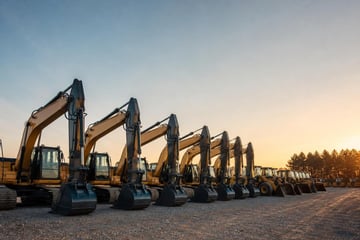
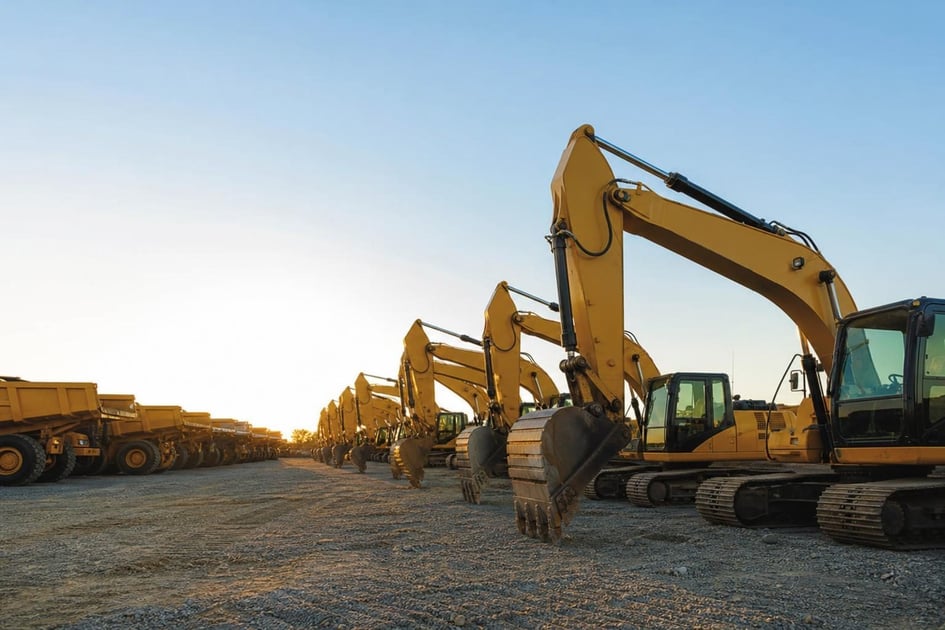
An equipment dealer financing program lets your buyers fund new or used business equipment without leaving your showroom. Instead of sending customers to a bank, you present a payment option built around the equipment itself. The machine serves as collateral, which keeps rates competitive and lets buyers preserve cash for labor, fuel, and materials. Provide Capital structures these programs for transactions from $5,000 up to $5 million, with same-day approvals possible across industries like construction, agriculture, transportation, and HVAC.
What Is an Equipment Dealer Financing Program?
An equipment dealer financing program is a relationship between a dealer and a lender that lets the dealer offer payment options at the point of sale. The lender handles the underwriting, documentation, and funding, while the dealer focuses on matching the customer with the right machine. When a buyer chooses to finance, the lender pays the dealer and the buyer repays the lender over an agreed term. The equipment itself is the collateral, which keeps rates competitive because the lender’s risk is tied directly to the asset value.
These programs are not limited to massive fleet purchases. Provide Capital finances transactions starting at $5,000 and ranging up to $5 million, which covers everything from a single commercial mower to a full line of earthmoving equipment. Because the loan is secured by the machine, the approval process focuses on the asset and the buyer’s cash flow rather than on real estate or other outside collateral. The dealer does not need to lend its own capital or maintain a collections department; the partner lender manages the account from funding through payoff.
For independent dealers, this arrangement creates a predictable cash flow. You receive your equipment proceeds at closing, while the lender carries the note. That means you can reinvest in inventory, pay your floorplan, or expand your service bay without waiting for the buyer to pay in full.
Why Dealers Offer In-House Payment Options
Dealers who partner with a financing source consistently close more sales. When a customer can see a monthly payment next to a price tag, the conversation shifts from total cost to affordability. That mental shift alone can push a hesitant buyer over the line. It also protects the dealer from the endless cycle of discounting to overcome a price objection.
Speed matters on a busy lot. A customer who has to drive to a bank or wait a week for an approval may cool off or find a competing seller. With an equipment dealer financing program, the application moves while the buyer is still engaged. Provide Capital can deliver same-day approvals possible when the application and equipment details are complete, though final timing depends on the specifics of each file. Most straightforward deals reach the document stage within 24 to 48 hours once all information is in hand.
Dealers also protect their margins. When a buyer arranges outside financing, the deal is vulnerable to the bank’s appraisal requirements, collateral demands, or last-minute stipulations. A program built for equipment dealers understands how to value a used excavator or a delivery van, so there are fewer surprises at the closing table. You avoid the awkward conversation where the buyer’s bank decides the machine is worth less than your asking price.
Seasonal businesses benefit as well. A landscaping dealer in spring or a snow-removal dealer in late fall can capture buyers who need equipment immediately but do not have liquid cash until their first invoices are paid. Financing bridges that gap and lets the dealer move inventory during peak selling windows.
How the Process Works for Buyers
From the buyer’s perspective, the process is straightforward. The customer selects the equipment and reviews the quote. The dealer submits the credit application and equipment details to Provide Capital, or the buyer completes a short form directly. The underwriter reviews credit history, time in business, and the equipment specs.
Rates vary by credit profile, equipment age and term. A buyer with strong credit financing a nearly new machine over a short term will see different pricing than a younger business acquiring a five-year-old unit over sixty months. Both scenarios can be approved, but the structure and rate will reflect the file. Provide Capital does not force every applicant into the same box; the deal is structured around what the cash flow and collateral can support.
Once approved, the buyer reviews and signs the closing documents. After any required down payment or advance clears, the lender funds the dealer directly. The buyer takes delivery and begins making scheduled payments. Because the equipment itself is the collateral, buyers do not always need to pledge additional assets to secure the deal. That is especially useful for new businesses that have revenue potential but limited property to pledge.
What Kinds of Equipment Qualify
Provide Capital serves construction, healthcare, dental, restaurant and food service, manufacturing, transportation, agriculture, HVAC, and forestry nationwide. That means a dealer in any of those verticals can offer financing on the assets they already stock.
A contractor might use the program for Skid Steers financing to expand a grading crew, or for Dump Trucks financing to handle heavier material volume. Utility crews often look for Bucket Trucks financing to reach new contract heights, while warehouse operations may need Scissor Lifts financing to keep order fulfillment moving. HVAC contractors can also use the program for Commercial Hvac System financing when replacing rooftop units on multi-building contracts.
Both new and used equipment are eligible. The key is that the asset must be business-purpose equipment with a clear serial number and verifiable value. Because deals are secured by the machine itself, the lender can offer terms that reflect the asset’s useful life and resale market. A used dump truck with strong auction values may qualify for better terms than a niche piece of equipment with a limited secondary market.
Rates, Terms, and What Drives Pricing
No two transactions are identical. Rates vary by credit profile, equipment age and term. A well-established transportation company financing a one-year-old sleeper cab will see different pricing than a startup restaurant leasing a line of used kitchen equipment. Provide Capital looks at the overall financial picture, including bank statements, business history, and the equity in the deal.
Terms generally align with the expected useful life of the equipment. A wood chipper that retains value for seven years may qualify for a longer term than a highly specialized electronic device. Used equipment is welcome, but older machines may require a shorter term or a larger initial payment to keep the deal in balance. The goal is to match the payment schedule to the revenue the equipment will generate.
The equipment itself is the collateral, which keeps rates competitive compared with unsecured borrowing. That collateral requirement also means buyers can preserve their existing lines of credit for inventory, payroll, or unexpected expenses instead of tying up liquidity in a depreciating asset. For a business with seasonal swings, that liquidity buffer can be the difference between surviving a slow month and missing payroll.
Tax Implications for the 2026 Tax Year
For the 2026 tax year, buyers may be eligible to deduct a significant portion of equipment costs under Section 179 expensing, provided the asset is placed in service before year-end and meets IRS qualifying property rules. Because the 2026 limit is tied to total equipment purchase volume and taxable income, you should consult a CPA to confirm the exact 2026 Section 179 ceiling and whether your transaction qualifies.
Bonus depreciation may also be available for qualifying new and used equipment in 2026, though the applicable percentage depends on federal schedules that phase down over time. Tax strategy should always be reviewed with a professional before signing closing documents, especially if you are planning a large fourth-quarter purchase. A CPA can model whether Section 179, bonus depreciation, or standard MACRS recovery produces the best outcome for your 2026 return.
Dealer Financing vs. Traditional Bank Financing
Buyers sometimes wonder why they should finance through the dealer instead of walking into their local bank. The differences come down to collateral requirements, speed, and flexibility.
| Feature | Equipment Dealer Financing Program | Traditional Bank Loan |
|---|---|---|
| Collateral | Equipment itself secures the deal | Often requires additional liens or personal guarantees beyond the machine |
| Approval speed | Same-day approvals possible; docs typically within 24–48 hours | Several days to weeks; heavy paperwork |
| Credit flexibility | Cash-flow focused; works with a range of credit profiles | Typically prefers stronger credit and longer banking history |
| Equipment age | New and used eligible | Often restricts used or older units |
| Down payment | Flexible; sometimes $0 to first payment only | Often 10–20% or more |
| Dealer payment | Paid directly by lender at closing | Buyer arranges funds separately |
The table above highlights why dealer programs work well for buyers who need fast answers and for dealers who want certainty. Banks may offer lower rates for their best customers, but they also move slower and often demand outside collateral or spotless credit. A dealer financing program keeps the focus on the equipment and the revenue it will generate.
Industries and Dealers We Support
Provide Capital works with equipment dealers and buyers nationwide. The program is built for industries where the machine is the business: construction, healthcare, dental, restaurant and food service, manufacturing, transportation, agriculture, HVAC, and forestry. Whether you are a single-location Kubota dealer or a used truck broker with inventory across three states, the structure scales to fit.
Because approvals are not limited to pristine credit, dealers can serve a broader customer base. A startup logging crew with a solid contract but a thin credit file can still finance a skidder. A growing pizzeria can acquire a second oven without draining the checking account. The common thread is that the equipment must be used for business purposes and the deal must make sense based on cash flow and asset value.
Frequently Asked Questions
Will my customers need perfect credit to qualify?
No. Provide Capital reviews the overall financial picture, including cash flow, time in business, and equipment value. Rates vary by credit profile, equipment age and term, so stronger files earn better pricing, but a less-than-perfect score does not automatically disqualify an applicant.
How quickly can a deal move from application to funding?
Same-day approvals are possible when the application and equipment details are complete. Most straightforward transactions reach the document stage within 24 to 48 hours. Complex files or missing information can extend that timeline.
Can buyers finance used or older equipment?
Yes. Provide Capital finances both new and used business equipment. The equipment age and condition will influence term length and pricing, but used machines are a core part of the program.
What are the minimum and maximum transaction sizes?
The program covers equipment from $5,000 up to $5 million. Transactions outside that range are not offered through this program.
Does the dealer get paid upfront?
In most structures, the lender pays the dealer directly once the customer signs the closing documents and any applicable down payment clears. The dealer does not have to carry the note or wait on monthly buyer payments.
What should buyers know about 2026 tax deductions?
For the 2026 tax year, Section 179 and bonus depreciation may allow accelerated first-year deductions for qualifying equipment. Because limits and eligibility rules depend on total purchase volume and taxable income, buyers should confirm the exact 2026 figures with a CPA before relying on a specific tax outcome.
Add Financing to Your Next Quote
An equipment dealer financing program turns a price tag into a monthly payment. It keeps buyers on your lot, protects your margins, and helps customers acquire the tools they need without draining operating cash. Provide Capital structures transactions from $5,000 to $5 million, using the equipment itself as collateral to keep rates competitive.
If you are ready to offer payment options on every quote, contact Provide Capital to integrate a financing program into your sales process. Your customers get a streamlined path to ownership, and you get paid at closing.
Disclaimer: The information provided in this article is for general educational purposes only and is not financial, legal, or tax advice. Funding terms, qualifications, and product availability may vary and are subject to change without notice. Provide Capital does not guarantee approval, rates, or specific outcomes. For personalized information about your business funding options, contact our team directly.