An equipment loan makes you the owner from day one. A lease lets you use the asset while the lender or lessor holds title. If you plan to keep the machine for its full useful life and want to build equity, a loan usually wins. If you need lower monthly outlay or want flexibility to upgrade, a lease can make more sense. Your decision should come down to cash flow, tax strategy for tax year 2026, and how long you intend to run the equipment.
What an Equipment Loan Actually Is
With an equipment loan, the lender advances funds so you can buy the asset outright. The equipment itself serves as collateral, which helps keep rates competitive. You make fixed monthly payments until the balance is zero, and then you own the machine free and clear. Because you hold the title, you can claim depreciation and, for tax year 2026, may be able to deduct the full purchase price under Section 179 if you meet the IRS requirements. Always confirm the exact 2026 limits and eligibility with your CPA.
You can use an equipment loan to buy new or used machinery, vehicles, or technology. The key point is that you are the owner, so you control maintenance schedules, modifications, and disposal. That matters if you plan to put hard hours on the asset and do not want to worry about return conditions or excess wear charges.
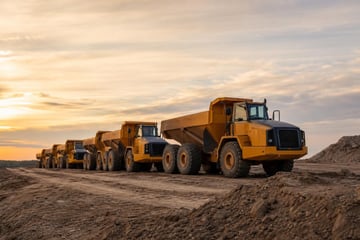
Loans work well for long-life assets you intend to keep. A contractor who runs Dump Trucks financing for hauling over many years will likely want to own the vehicle outright. At the end of the term, the truck is a balance-sheet asset with residual value you can trade in or continue operating with no monthly payment. The same logic applies to a manufacturing firm buying a CNC machine or a farmer financing a combine. If the equipment will earn revenue long after the note is paid off, ownership is attractive.
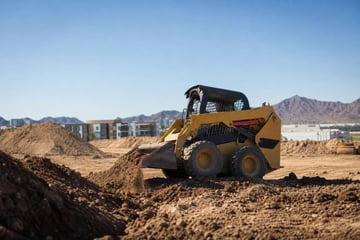
Down payments may be required depending on your credit profile and the age of the equipment. Rates vary by credit profile, equipment age and term. Newer machines and stronger credit generally mean better pricing, but every deal is priced individually. Provide Capital structures loans on amounts from $5,000 to $5 million, so the model scales from a single skid steer to an entire fleet. That range covers everything from a modest office print setup to a multi-unit heavy construction package.
Because the loan is secured by the equipment, the approval process focuses heavily on the asset’s value and your ability to service the debt. Provide Capital serves owner-operators in construction, healthcare, dental, restaurant and food service, manufacturing, transportation, agriculture, HVAC, and forestry nationwide. Whether the collateral is a dump truck or a commercial oven, the equipment backs the deal.
What an Equipment Lease Actually Is
A lease is fundamentally a usage agreement with a purchase option. You select the equipment, the lessor buys it, and you pay for the right to use it over a set period. At the end, you typically have several choices: return the asset, renew the lease, or buy it at fair market value or for a predetermined amount. You do not automatically build equity with every payment unless you have selected a capital lease or a nominal buyout structure.
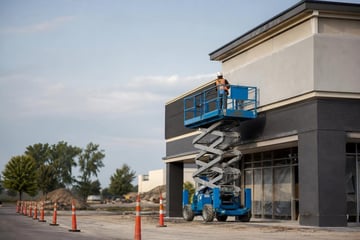
Leasing can preserve working capital because the monthly payment is often lower than a loan payment on the same equipment. That is useful if you are adding Scissor Lifts financing for a short-term job pipeline or Bucket Trucks financing for seasonal line work. You get the production capacity without tying up cash in a depreciating asset. A restaurant opening a second location might lease its initial kitchen line so it can redirect cash toward seating build-out and permits.
From a tax perspective, a true operating lease generally lets you deduct the full lease payment as a business expense each month. A finance lease or loan may let you deduct interest and depreciation. For tax year 2026, the exact benefit depends on your entity structure, taxable income, and whether you accelerate depreciation through Section 179. Your CPA can model which path leaves more cash in your business after accounting for both federal and state obligations.
Leases also make sense when technology changes quickly or when you are unsure how long a new revenue stream will last. If you are testing a new service line, leasing the supporting equipment limits your exit cost if the venture does not pan out. You return the machine at the end instead of owning a specialized asset with a narrow resale market. Leasing also simplifies disposal. When the contract ends, you hand the machine back rather than posting it for sale and waiting for a buyer. For assets with uncertain resale demand, that convenience has real value.
Lease vs. Loan at a Glance
The differences are easier to see side by side.
| Feature | Equipment Loan | Equipment Lease |
|---|---|---|
| Ownership | You own it immediately | Lessor owns it; you may buy later |
| Collateral | The equipment itself | The equipment itself |
| Down Payment | Often required | Sometimes required; often lower |
| Monthly Payment | Usually higher | Usually lower |
| End of Term | No payment; you keep it | Return, renew, or purchase |
| Tax Treatment | Depreciation plus interest | Expense payments or depreciate |
| Best For | Long-term use, building equity | Short-term needs, flexibility |
Use this table as a starting point, not a rigid rule. A transportation company that plans to refresh its entire tractor fleet on a regular cycle might still choose loans if the resale value is high and the tax deduction is meaningful. A contractor running a single backhoe for occasional site work might prefer a lease even if the term stretches over several years.
How to Choose for Your Business
Start with the equipment’s useful life. If you are buying a machine you will run for many years, a loan is usually the smarter play. You spread the cost over the working life of the asset, and once it is paid off, the revenue it generates drops straight to your bottom line. If you expect to replace or upgrade the equipment frequently, a lease keeps you out of the used-equipment resale business.
Next, look at your tax situation. For tax year 2026, Section 179 may allow a first-year deduction for qualifying equipment purchases, but the benefit phases out once your total investment reaches a certain threshold. Because those thresholds change with inflation and legislation, you should verify the 2026 figures with your CPA before you sign. If your business is in a high-growth phase and you expect taxable income to rise, accelerating depreciation through a purchase and Section 179 election can reduce your tax bill immediately.
Cash flow is the third factor. A lease payment is often smaller than a loan payment because you are only paying for use, not principal plus interest on the full purchase price. If preserving liquidity for payroll, materials, or fuel is critical, the lease can keep more cash in your checking account. Just remember that over a long enough timeline, a lease with a buyout can cost more than buying outright. Run a side-by-side total-cost calculation before you decide.
Think about your balance sheet, too. A loan adds an asset and a liability, which can affect your debt-to-equity ratio. An operating lease may keep the obligation off your balance sheet depending on how your accountant treats it, though accounting standards have tightened in recent years. Ask your CPA how each structure affects your covenants and borrowing capacity.
Finally, consider the equipment’s age. Lenders like Provide Capital finance both new and used machines, but older equipment can carry slightly different terms. Rates vary by credit profile, equipment age and term, so a used excavator and a brand-new unit will not always price the same way. Used equipment can be an excellent way to lower your monthly outlay while still gaining productive capacity, especially if you are buying a proven model with a strong service history.
What the Approval Process Looks Like
Provide Capital uses the equipment itself as collateral, which helps keep pricing competitive. We structure deals from $5,000 to $5 million for owner-operators and small business owners across construction, healthcare, dental, restaurant and food service, manufacturing, transportation, agriculture, HVAC, and forestry. Same-day approvals are possible when the application and equipment details are complete, though documentation requirements vary by transaction size and credit profile.
Rates vary by credit profile, equipment age and term. Approval is never assured, and every file is underwritten individually. Whether you need Skid Steers financing for a landscaping crew or a commercial oven for a bakery, the rate and structure depend on your time in business, personal credit, and the asset being financed.
To move quickly, have your vendor quote ready, along with basic business financials and bank statements. The more complete the file, the faster we can review it. Large transactions or specialized collateral may require additional documentation, but the process is built around the reality that equipment opportunities often have short windows. We can often move faster when the equipment is from a reputable dealer with clear title and a published value. Private-party sales are still financeable, but they may require additional verification. Either way, the equipment itself is the collateral, which helps keep rates competitive and reduces the need for extra security.
Frequently Asked Questions
Is a lease always cheaper than a loan?
Not necessarily. The monthly payment on a true lease is often lower than a loan payment, but if you exercise a purchase option at the end, your total out-of-pocket can exceed the original purchase price. Compare the full lifecycle cost, not just the first payment.
Can I write off lease payments on my taxes?
Yes. With a true operating lease, you can generally deduct the entire lease payment as a business expense. With a loan, you typically deduct interest and depreciation. For tax year 2026, ask your CPA which method gives you the larger benefit based on your expected taxable income.
Do equipment leases require a down payment?
Some do. While many leases advertise low upfront costs, you may still need to cover the first and last payment, a security deposit, or an origination fee. A loan may require a more traditional down payment. The exact amount depends on your credit profile and the equipment.
What happens when the lease ends?
It depends on the lease type. A fair-market-value lease lets you return the equipment, renew, or buy at the then-current fair market value. A nominal buyout lease transfers title to you once the final payment clears. Read the end-of-term language before you sign so you are not surprised by a balloon or residual.
Can I finance used equipment with a loan or lease?
Yes. Provide Capital finances both new and used equipment. The rates and terms will reflect the asset’s age, condition, and useful remaining life. Used equipment can be a smart way to lower your monthly outlay while still gaining productive capacity.
How quickly can I get approved?
Same-day approvals are possible when your application and vendor details are complete. Larger transactions or specialized collateral may take longer because of valuation and documentation requirements. No outcome is assured, but having your equipment quote and business financials ready speeds the process.
Next Step
Deciding between an equipment lease and a loan comes down to how long you will keep the asset, how you want to treat it on your tax year 2026 return, and how much cash you need to preserve for operations. Neither structure is automatically better; the right one is the one that matches your balance sheet and your production goals.
Gather your equipment quote, your recent business financials, and a clear idea of how long you plan to use the machine. Then contact Provide Capital to review both loan and lease structures side by side. We will walk through the numbers, explain how rates vary by credit profile, equipment age and term, and help you pick the path that puts the equipment to work without straining your cash flow.
Disclaimer: The information provided in this article is for general educational purposes only and is not financial, legal, or tax advice. Funding terms, qualifications, and product availability may vary and are subject to change without notice. Provide Capital does not guarantee approval, rates, or specific outcomes. For personalized information about your business funding options, contact our team directly.