How Vendor Financing Works
Offering financing to your customers means partnering with an equipment lender so buyers can make monthly payments while you receive the full purchase price upfront. You do not become the bank. You close the sale, the lender handles the paperwork and payments, and you get paid within days of delivery. Provide Capital finances new and used business equipment from $5,000 to $5 million, and the equipment itself serves as collateral, which keeps rates competitive and limits the personal risk to your buyer.
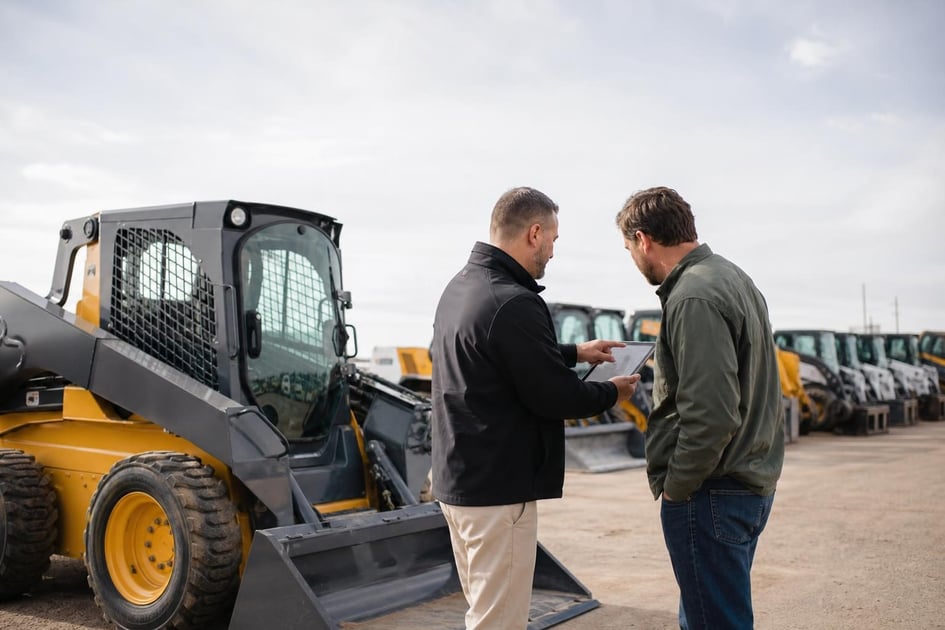
The mechanics are straightforward. Your customer picks out a machine and instead of asking for a check, your sales rep presents a monthly payment option. The buyer completes a short application, usually while still on your lot or showroom floor. The lender reviews credit, collateral value, and time in business. If approved, the lender sends funds directly to you, the customer takes delivery, and the lender collects monthly payments over the agreed term. Rapid approvals are possible when the file is complete and the equipment is clearly identified.
This model protects your cash flow. You are not carrying the note, chasing payments, or absorbing default risk. You convert a shopper who says "I need to think about it" into an owner who says "I will take it" because the capital outlay shifts from a lump sum to a budgeted operating expense. When a customer sees a monthly number that fits their operating budget, the psychological barrier drops. They stop comparing your price to their bank balance and start comparing your machine to the revenue it will produce.
Why Equipment Sellers Are Adding Payment Options
Buyers expect monthly payment options everywhere else, from company vehicles to software subscriptions. When you only quote a cash price, you force every customer to evaluate whether they have enough liquidity on hand today. That narrows your market to businesses with idle cash or existing credit lines. In a competitive equipment market, narrowing your own market is a choice you do not need to make.
A financing option widens the funnel. It lets startups acquire essential machines before they have years of retained earnings. It lets established operators preserve their bank lines for payroll, materials, and emergencies. It also raises your average ticket size. A buyer who budgeted for a base model may upgrade to a higher-horsepower machine or add an attachment when the monthly difference is manageable. Your competition already knows this. If the dealer across town offers a payment plan and you do not, you are at a disadvantage before the conversation even starts.
From a seller's perspective, the benefit is immediate liquidity. You are not acting as a creditor for the full term. You complete the sale, recognize the revenue, and move on to the next customer while the finance company manages the relationship with the buyer.
Types of Vendor Financing Programs
Third-Party Equipment Finance
The fastest path for most independent dealers and manufacturers is a third-party program. You partner with a lender like Provide Capital that specializes in business equipment. You display payment estimates on your website, hand out applications in your showroom, or send a digital link by text. The lender underwrites the deal, and you get paid. You carry no debt on your balance sheet for the customer's obligation, and you do not need a lending license. This is the most common route for sellers moving equipment in the range from $5,000 to $5 million annually.
Captive Finance Arms
Large manufacturers and national distributors sometimes create their own captive finance company. They borrow capital at corporate rates and lend directly to end users. This offers total control over branding and terms, but it requires significant capital reserves, compliance infrastructure, and a collections department. For most owner-operated dealerships, the administrative cost outweighs the benefit. Unless you are moving hundreds of millions in volume, a captive arm is usually overkill.
In-House Installment Plans
Some small sellers attempt to carry the paper themselves, accepting a down payment and billing the customer monthly. This puts your capital at risk and turns you into a collection agency. Unless you have a legal team and deep reserves, in-house financing distracts from your core business of selling and servicing equipment. One missed payment from a customer can strain your own accounts payable. Third-party financing eliminates that exposure entirely.
What It Takes to Offer Financing
Getting started requires less overhead than most dealers expect. You will need a completed dealer or vendor agreement with your finance partner, a current business license, standard tax documentation, and a bank account for fund deposits. The lender wants to know you are a legitimate seller with a track record of delivering the equipment you quote. They are not evaluating your personal credit to qualify you as a vendor; they are verifying your business existence and integrity.
Integration is flexible. Some vendors add a simple payment calculator to their website so visitors can estimate a monthly cost before calling. Others train their sales team to present multiple options on every quote: cash purchase, short-term finance, and longer-term finance. Many lenders provide a simple embeddable calculator or a branded application link you can text to a customer standing in your yard. The key is making the option visible early. If the customer has already decided your machine is too expensive, introducing financing later feels like a rescue attempt rather than a standard purchasing path.
If you are ready to see what a program looks like for your equipment line, talk to a specialist about your specific machines.
How Your Customers Qualify
Underwriting for equipment finance differs from unsecured bank loans because the equipment itself is the collateral. That means a buyer with a solid business story but imperfect credit may still qualify, and rates vary by credit profile, equipment age and term. Lenders typically weigh several factors.
Credit history. The owner's personal credit and the business credit profile both matter. A higher score generally unlocks longer terms and lower rates, but collateral-based lending means there is flexibility outside of bank-grade credit. A buyer with a challenged history may still secure approval if the equipment holds strong residual value and the buyer can document stable revenue.
Time in business. Startups can still qualify, especially if the owners have strong personal credit or industry experience. Established businesses with multiple years of revenue history often see more aggressive terms because they have proven cash flow. The lender is looking for evidence that the buyer has survived seasonal slowdowns and managed debt before.
Equipment details. The lender needs the year, make, model, serial number, and condition. New equipment usually commands the strongest programs, but used machines are financeable if they have verifiable hours, maintenance records, and remaining useful life. For larger transactions, the lender may require full financial statements, while smaller deals may be approved with a short application and a recent bank statement.
Financial documentation. Depending on the transaction size and credit profile, the lender may request recent bank statements, a business tax return, or simply an application. The cleaner the file, the faster the turnaround. You can help by collecting the equipment specifications and buyer contact information before the application is submitted.
There is no guaranteed approval and no program that eliminates credit review. However, because the loan is secured by a tangible asset with resale value, the approval criteria are often more practical than those of an unsecured line of credit.
New vs. Used Equipment Programs
Your inventory mix affects the financing options you can present. New equipment from authorized dealers typically qualifies for the longest terms and highest advance rates because the collateral value is predictable. Lenders know what a new excavator or commercial oven is worth in a liquidation scenario.
Used equipment is financeable, but the age, hours, and condition matter more. A recent-model skid steer with maintenance records is an easier collateral case than an older machine with unknown history. For used equipment, the lender may require an independent appraisal or a qualified inspection. This is standard practice for high-hour excavators or aging commercial trucks. You can speed this up by maintaining a relationship with a local appraiser who understands your market. If you stock used inventory, organize your service records and be prepared to verify condition. This transparency speeds approvals and reduces the lender's risk, which improves the terms your customer sees.
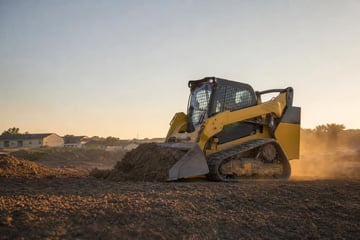
Many vendors stock both categories. You can offer Skid Steers financing on late-model units and still move older iron to cash buyers or buyers with larger equity injections. The same logic applies to Commercial Ovens financing in the restaurant space, where a new convection line may qualify for minimal-down structures while a used range might require an equity injection. Both sales deserve a finance option; the structure simply adjusts to the collateral.
Lease vs. Loan: What to Present
Your customers will ask whether they should lease or finance. Both are forms of equipment acquisition, but the structure changes ownership, tax treatment, and monthly cost. You do not need to be a tax advisor, but you should know enough to guide the conversation toward the right paperwork.
| Feature | Equipment Loan | Equipment Lease |
|---|---|---|
| Ownership | Customer owns after final payment; lender releases lien | Depends on structure; fair market value buyout or nominal purchase option at end |
| Down payment | Often minimal to none for strong credits; varies by profile | Advance payments are usually required; specifics depend on the program and credit profile |
| Collateral | Equipment itself secures the loan | Equipment itself secures the lease |
| Monthly cost | Rates vary by credit profile, equipment age and term | Rates vary by credit profile, equipment age and term |
| Tax treatment | For tax year 2026, interest is deductible and depreciation including Section 179 may apply; consult your CPA | For tax year 2026, payments are typically treated as an operating expense; consult your CPA |
| Best for | Buyers who want equity and long-term ownership | Buyers who upgrade frequently or want lower monthly costs |
Most vendors offer both and let the lender explain the nuances. Your job is to introduce the option and hand off the details.
Tax Considerations for 2026
For tax year 2026, businesses that finance equipment may still benefit from Section 179 expensing and bonus depreciation, but the exact caps and phase-out thresholds adjust with inflation and legislative changes. Rather than quoting a specific dollar limit that may be outdated, point your customers to a CPA who can verify the current-year ceiling and determine whether the deduction applies to their situation.
On a loan, the buyer typically deducts the interest portion of each payment and claims depreciation on the equipment. If the buyer qualifies for Section 179 for tax year 2026, they may be able to deduct the full cost in the year of acquisition, subject to taxable income limits. On a true lease, the buyer generally deducts the lease payment as an operating expense. These distinctions matter at tax time, and the right structure depends on the buyer's profitability and strategy.
State and local tax treatment can also vary. Some jurisdictions tax the full purchase price upfront on a loan but apply sales tax only to lease payments. These nuances affect the total cost of acquisition and should be reviewed with a CPA familiar with your buyer's state. Always recommend they review IRS guidance on Section 179 with a qualified accountant before making a decision based on tax benefits. The Small Business Administration also publishes general guidance on equipment investment that can help buyers understand the timing of their purchases.
Industry-Specific Applications
Construction and Forestry
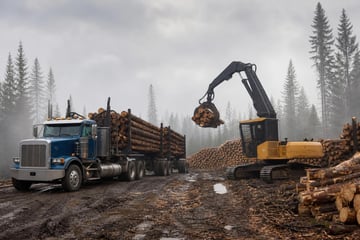
Seasonality defines these industries. A logging contractor may need a processor before the winter harvest but lacks the cash until the initial load ships. A construction crew may win a municipal contract that requires a specific lift or bucket truck not currently in the fleet. In both cases, waiting for cash on hand means losing the job.
A contractor bidding on a site development job may need a wheel loader and a skid steer to meet the schedule. Without financing, they must either rent at a premium or pass on the job. Offering financing at the point of sale lets these operators match debt service to revenue cycles. For forestry specifically, you can direct buyers to dedicated programs for Forestry Logging equipment financing, where collateral values and usage patterns are evaluated by underwriters who understand the sector. A logging crew cannot afford downtime during the narrow winter hauling window. If a feller buncher goes down, the entire crew stops earning. Financing a replacement immediately protects the season's revenue.
Food Service and Restaurants
Restaurant margins are thin and equipment failures are unpredictable. When a walk-in freezer or convection oven fails on a Friday, the owner cannot wait a month for budget approval. If your dealership sells food-service equipment, presenting a monthly payment at the moment of crisis turns an emergency expense into a fixed overhead cost. Ghost kitchens and catering startups often need a full suite of equipment before their initial event deposit clears. Financing lets them stage the kitchen and start generating revenue before the initial payment is due.
Dealers who stock refrigeration, prep lines, and Commercial Ovens financing find that financing increases attachment sales. A buyer financing a range is more likely to add a griddle or ventilation package when the incremental monthly cost is manageable.
Transportation and Dump Trucks
Owner-operators in hauling live by load boards and fuel prices. They rarely keep large cash reserves liquid for a chassis purchase. A vendor who can quote a monthly number for a Dump Trucks financing package captures this audience immediately. The truck itself is the collateral, so the deal is secured by the income-producing asset. This alignment of collateral and revenue makes underwriting straightforward and gives the buyer confidence that the payment is tied to the asset's earning power.
Common Mistakes Vendors Make
The first mistake is hiding the option. Some sales teams mention financing only after the customer objects to price. By then, the buyer has already anchored on a cash number and feels pressured. Lead with the monthly option alongside the cash price. Quote both at the same time so the customer sees financing as a standard path, not a fallback.
The second mistake is offering only one term. A longer term may fit a customer who wants low payments, but another may prefer a shorter term to pay less total interest. Work with a lender that offers flexibility across the term spectrum so you can match the structure to the customer's cash flow.
The third mistake is submitting incomplete applications. Missing equipment serial numbers, vague descriptions like "used loader," or unsigned quotes all delay funding. Train your team to collect the year, make, model, hours, and serial number on every unit before the application goes in.
The fourth mistake is neglecting used-equipment buyers. Because new units carry the highest commissions, some dealers push customers toward new inventory even when a used machine fits the budget better. A robust used-equipment finance program lets you serve both markets without compromise.
The fifth mistake is failing to follow up. Some dealers present financing once and never mention it again. The customer goes home, thinks about the cash price, and buys elsewhere. A simple follow-up text with the application link keeps the conversation alive and demonstrates that you are serious about finding a workable structure.
The Funding Process From Quote to Cash
Once your customer applies, the lender reviews credit and collateral. Rapid response times are possible when the file is clean. If additional documentation is needed, the lender will request it directly from the customer. After approval, the customer signs the finance agreement and you coordinate delivery or pickup.
You get funded via wire or ACH after the customer accepts the equipment. At that point, your role is complete. The lender files a UCC lien on the equipment to perfect its security interest, and the customer begins monthly payments. The lender typically handles the UCC filing directly with the secretary of state in the jurisdiction where the customer is located. You do not need to manage lien perfection yourself, but you should ensure the customer's business name and address on the invoice match the finance application exactly to avoid recording errors.
If you want to get a same-day decision structure set up for your customers, the onboarding process starts with a simple conversation about your inventory and sales volume.
Questions Vendors Ask Before They Launch a Program
- Do I need to become a lender myself? No. A third-party vendor program uses the lender's capital and licenses. You sell equipment; they provide the capital. You do not need a banking charter, a compliance officer, or a collections department.
- How long until my customer knows if they are approved? Many applications receive a decision within hours. Rapid approvals are possible when the customer provides complete information and the equipment is clearly identified. Complex files or specialty collateral may take longer, but the lender communicates timelines directly.
- When do I get paid? You receive the full equipment cost, minus any agreed dealer fees, once the customer signs and accepts delivery. You are not waiting for the customer to pay off the loan. The sale is final from your perspective.
- What if my customer stops paying? The lender handles collections and, if necessary, repossession. Your payment was already funded. The risk of non-payment sits with the finance company, not your balance sheet. You can continue selling to that customer in the future if you choose; the broken obligation is between the buyer and the lender.
- Can I offer financing on used equipment? Yes. Used machines are financeable if they have verifiable condition, reasonable hours, and a clear title. Terms may differ from new equipment, but the program is available. Organize your maintenance records and be prepared to share them.
- What credit quality does my customer need? There is no single cutoff. Because the equipment is collateral, lenders can approve a wider range of credit profiles than an unsecured bank would. Rates vary by credit profile, equipment age and term. Strong credit gets the best terms, but marginal credit does not automatically mean a decline.
- Will this complicate my accounting? No. You record a standard sale at the point of funding. You do not carry a receivable from the customer or recognize installment income over time. The finance company is your customer's creditor, not you.
- How do I present financing without sounding aggressive? Quote the monthly option as casually as you quote the cash price. "This machine is available for purchase, or we can structure a monthly payment depending on your credit and term." Let the customer ask questions rather than pushing a promotion.
Closing the Loop
Offering financing is not about convincing broke customers to buy things they cannot afford. It is about giving liquid, qualified buyers a reason to act today rather than next quarter. It protects their cash reserves, preserves their bank relationships, and lets them match the cost of an income-producing asset to the revenue that asset generates.
If you sell business equipment and you are not quoting a monthly payment, you are likely losing sales to a competitor who is. The setup cost is minimal, the approval process is fast, and the result is a larger addressable market for every machine on your lot. You do not need to change your business model or hire new staff. You simply need a finance partner that understands your equipment and your customer.
See what you qualify for and start offering your customers a smarter way to buy.
Disclaimer: The information provided in this article is for general educational purposes only and is not financial, legal, or tax advice. Funding terms, qualifications, and product availability may vary and are subject to change without notice. Provide Capital does not guarantee approval, rates, or specific outcomes. For personalized information about your business funding options, contact our team directly.