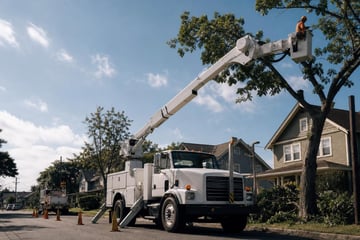
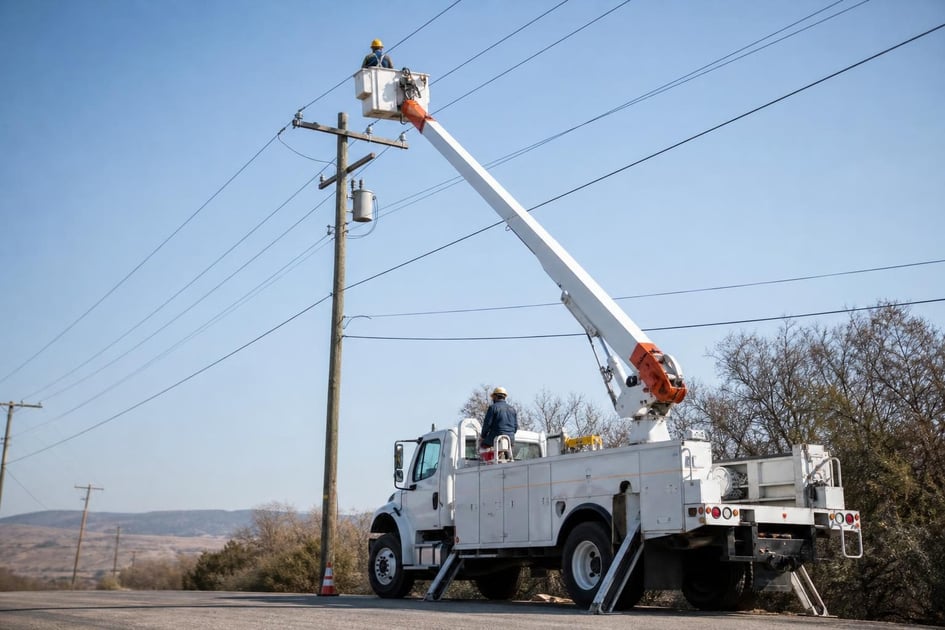
You can finance a bucket truck with no money down if your credit history, time in business, and the equipment age align with the lender’s criteria. The truck itself serves as collateral, which means you may not need to pull cash from your operating account to take delivery. Rates vary by credit profile, equipment age and term, so every quote is built around the specific deal.
At Provide Capital, we treat the bucket truck as the security for the transaction. That structure keeps financing competitive and lets owner-operators preserve liquidity for payroll, fuel, and insurance. Whether you are buying a single telecom unit or a heavy-duty material handler, the collateral-based approach applies across the credit spectrum.
How Zero-Down Bucket Truck Financing Works
An equipment loan or lease secures the transaction with the bucket truck itself. Because the lender holds a security interest in the asset, you can often structure the deal without a capital contribution at signing. The equipment’s resale value backs the financing, which reduces the lender’s reliance on additional real estate or unrelated collateral.
Provide Capital finances new and used business equipment from $5,000 to $5 million. That range covers everything from a single bucket truck for a startup electrician to a fleet addition for a growing tree service. Since the equipment itself is the collateral, the rates stay competitive compared with unsecured borrowing or credit card financing.
Same-day approvals are possible when your file is complete. If the seller has the title and invoice ready, you can move from application to commitment quickly. The key is having your business information and equipment details organized before you submit.
A true lease may advertise a low or zero-down option, but at the end of the term you typically do not own the unit unless you exercise a purchase option. An equipment finance agreement or loan puts the title in your name once the balance is satisfied, which makes it a better fit for most owner-operators who plan to run the truck for its full useful life.
What Lenders Review for Zero-Down Deals
For a zero-down approval, underwriters look at the overall strength of the application. Time in business matters, but newer companies can still qualify if the owner’s personal credit and bank cash flow are solid. We do not offer guaranteed approval, and every file is underwritten individually.
The age and condition of the bucket truck are critical. A newer unit with documented maintenance and low hours is easier to accept as collateral than an older lift with an uncertain service history. Lenders also verify that the boom capacity, chassis type, and upfit match the invoice description so the collateral value is clear and insurable.
Your industry experience plays a role too. An owner-operator who has run a utility contracting business for years presents less risk than a first-time buyer entering the aerial market. That experience does not override credit or collateral, but it can help the underwriter understand the revenue potential behind the new payment.
Underwriters also look at your monthly revenue relative to the proposed payment. If the new bucket truck expands your billable hours or lets you take on higher-margin contracts, the revenue argument strengthens the file. Be ready to show recent contracts or a pipeline that demonstrates how the equipment will pay for itself.
New vs. Used Bucket Trucks — A Financing Comparison
The decision between a new or used bucket truck affects more than your monthly payment. It changes how the lender views collateral risk, what inspections are required, and how flexible the down payment structure can be.
| Factor | New Bucket Trucks | Used Bucket Trucks |
|---|---|---|
| Collateral confidence | High; manufacturer warranty supports long-term value | Depends on maintenance records and remaining operational life |
| Down payment flexibility | Easier to structure with no capital upfront | Older units or those with high hours may require equity |
| Primary rate drivers | Credit profile, equipment age and term | Equipment age and term weigh more heavily on the structure |
| Inspection requirements | Minimal | Third-party or dealer inspection typically required |
| Useful life alignment | Financed over the full expected service life | Term often tracks the remaining years of reliable use |
New trucks generally offer the simplest path to zero down because the collateral value is predictable. Used trucks can still close with no money out of pocket, especially if they are late-model units with verified service history. The inspection step is important on used deals because the lender needs to confirm the boom, hydraulics, and chassis are in working order before releasing funds.
Tax Year 2026 and Section 179
Under Section 179 for tax year 2026, businesses may be able to deduct the full purchase price of qualifying equipment in the year it is placed in service, subject to that year’s specific dollar limits and phase-out thresholds. Because those limits adjust annually for inflation, you should confirm the exact 2026 caps with your CPA before you file.
Bonus depreciation may also apply to bucket trucks placed in service during 2026, but the percentage and eligibility rules can change with federal legislation. Your accountant can model whether Section 179, bonus depreciation, or standard MACRS recovery gives you the better outcome for tax year 2026. Never take a deduction strategy from a blog post; always run the numbers with a qualified tax professional who knows your full financial picture.
Who Uses Bucket Trucks and Why Seasonal Timing Matters
Utilities, telecommunications crews, tree care companies, sign and lighting contractors, and HVAC technicians all use bucket trucks to reach working height safely. Forestry operations and municipal departments also add these units to maintain power lines and clear rights-of-way.
Demand for aerial equipment tends to rise in late winter and early spring as maintenance and construction activity picks up. If you are adding a truck before the busy season, financing without a down payment lets you preserve cash for the surge in payroll and fuel costs while the revenue from the new rig covers the monthly obligation.
Buying during the off-season can sometimes give you more negotiating power with the seller. Even then, a zero-down structure keeps your liquidity intact so you can handle unexpected repairs or take on emergency storm-work contracts without scrambling for capital.
Storm seasons and emergency response periods can create sudden spikes in demand for line-clearance and repair work. A financed bucket truck that arrives ready before hurricane or winter storm season can capture that revenue. Because the equipment itself is the collateral, you do not need to pledge your home or other assets to get the truck in your yard before the first service call.
The Approval Timeline and What to Send In
Same-day approvals are possible when you submit a clean equipment invoice, basic business information, and recent bank statements upfront. If the bucket truck is already identified, the process moves faster because the collateral can be valued immediately against the listed price.
Most deals need the seller’s invoice, your business bank statements, a copy of your driver’s license, and proof of insurance. On larger transactions, additional verification may be required, though the timeline usually remains short.
We serve construction, healthcare, dental, restaurant and food service, manufacturing, transportation, agriculture, HVAC and forestry nationwide, so our underwriting team understands how bucket trucks fit into those business models.
If the unit is used and sold by a private party rather than a dealer, the title transfer and payoff process can add a day or two. Having a clear purchase agreement in place prevents delays once the approval is issued.
Zero Down vs. Putting Cash In
Financing with no money down keeps liquidity in your business for emergencies and growth. That is often the right move if the truck will generate revenue immediately and you need cash on hand for payroll and materials.
On the other hand, a capital contribution at closing lowers the financed amount and can improve the structure. Rates vary by credit profile, equipment age and term, so the trade-off depends on your cash flow comfort level and the total cost of the unit. Some owner-operators split the difference by putting down a small amount to reduce the monthly obligation without draining reserves.
Frequently Asked Questions
Can I get bucket truck financing with no money down as a startup?
A startup can qualify, but it usually takes a stronger credit profile and a newer piece of equipment to secure a zero-down structure. Lenders may also review personal credit and any previous industry experience. We do not offer guaranteed approval, but we do evaluate every file on its merits.
Does the age of the bucket truck affect zero-down options?
Yes. Newer units with verified service history are easier to finance without a down payment. As the equipment ages, lenders may ask for equity to offset collateral risk. The inspection requirement on used units also helps the lender confirm the asset is worth the advance.
What paperwork is required?
Most applications need the equipment invoice, your business bank statements, a driver’s license, and proof of insurance. Having these ready is how same-day approvals are possible.
Will the lender check my credit?
Yes. Provide Capital reviews credit history as part of the underwriting process. We do not advertise no credit check programs, and there is no guaranteed approval.
Can I finance other work trucks the same way?
Absolutely. The same equipment-secured structure applies to related assets. Many contractors pair their aerial unit with Tow Truck financing to handle roadside recovery, or they add a Dump Trucks financing line to support construction work.
Is there a prepayment penalty?
Some equipment loans include a fixed-term structure that may carry a prepayment charge depending on the program. Ask your representative to outline the specific terms before you sign so you understand your options for early payoff.
Next Step — Get Your Quote
If you are ready to add a bucket truck without tying up your cash, start by reviewing the equipment details and your business financials. You can see specific collateral requirements and program options on our Bucket Trucks financing page. From there, you can request a quote and find out whether a zero-down structure fits your deal. Provide Capital finances transactions from $5,000 to $5 million nationwide, with same-day approvals possible when your file is complete.
Disclaimer: The information provided in this article is for general educational purposes only and is not financial, legal, or tax advice. Funding terms, qualifications, and product availability may vary and are subject to change without notice. Provide Capital does not guarantee approval, rates, or specific outcomes. For personalized information about your business funding options, contact our team directly.