Equipment financing in Colorado is a straightforward term loan secured by the machine you are buying. Provide Capital finances new and used business equipment from $5,000 to $5 million, with the equipment itself serving as collateral. That structure keeps rates competitive and allows same-day approvals in many cases. Whether you run a construction crew in Denver, a ranch on the Eastern Plains, or a restaurant in a ski town, the process is the same: you pick the equipment, we verify the asset and your business history, and you receive a decision. Because the lender’s risk is tied to the resale value of the asset rather than solely to your credit profile, owner-operators with solid revenue but limited borrowing history can still access attractive terms.
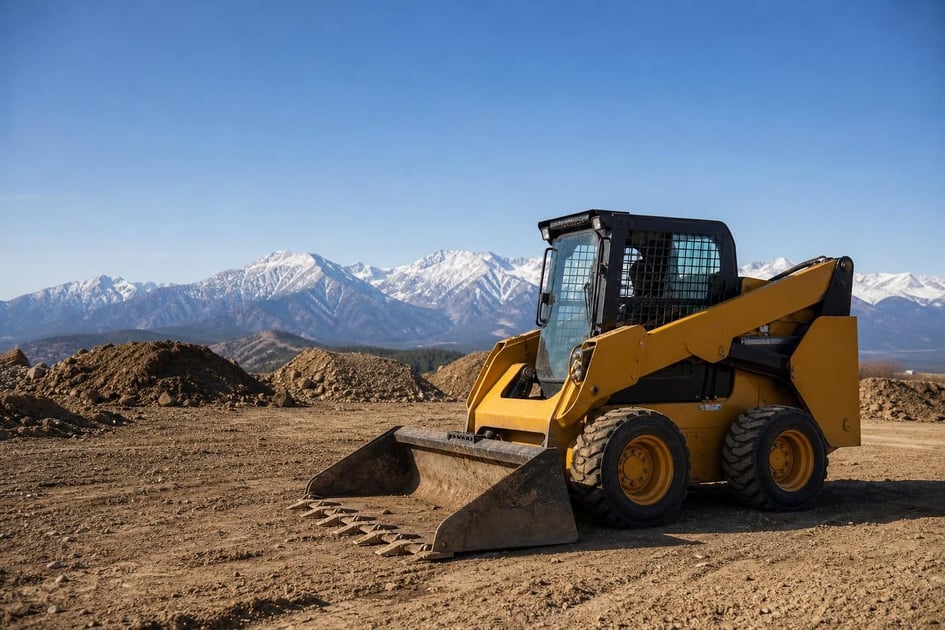
Key Insight: At elevations above 5,000 feet, naturally aspirated engines lose roughly 3 percent of their rated horsepower for every 1,000 feet of altitude gain. If you are buying a gas-powered skid steer or generator for a mountain job site, ask the dealer whether the unit is turbocharged or already de-rated for high-altitude operation. Otherwise you may finance equipment that cannot perform the work you bought it for.
What Colorado Businesses Finance
Colorado’s economy is equipment-heavy by nature. The state is home to nearly 731,000 small businesses employing more than 1.2 million people, according to the latest SBA Colorado small business profile. The U.S. Census Bureau Colorado profile shows the state now hosts more than 182,000 employer establishments, with a median household income of $97,113. Many of those businesses rely on hard assets to generate revenue. Unlike service businesses that can scale with laptops and office space, a Colorado contractor, farmer, or logger needs iron in the dirt to bill hours.
Construction and Forestry
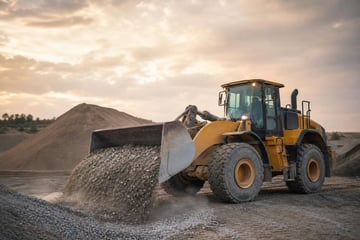
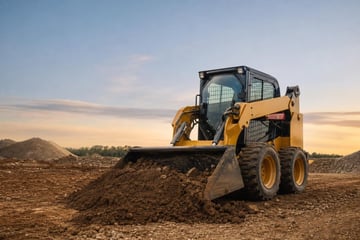
The Front Range corridor from Fort Collins to Colorado Springs has seen steady commercial and residential growth for more than a decade. That activity drives demand for Skid Steers financing, Dump Trucks financing, and excavators. Highway expansion along I-70 and I-25, combined with wildfire mitigation contracts in the foothills, means crews need machines that can handle steep grades and rocky soil.
In the mountains, beetle-kill timber removal and wildfire mitigation have created year-round work for logging contractors. Forestry Logging equipment financing covers feller bunchers, forwarders, and chip trucks used on steep terrain. These machines command high resale values in Colorado because the work is specialized and the window for safe operation is narrow. A lender familiar with forestry assets understands that a well-maintained buncher in the Rockies retains value differently than a general excavator.
Agriculture and HVAC
Eastern Colorado produces wheat, corn, hay, and cattle on irrigated plains. Farmers here often finance used tractors, combines, and center-pivot irrigation systems. Because the growing season is short and water rights are tightly allocated, equipment uptime is critical. A combine that breaks down during the two-week wheat harvest window can cost far more than the repair bill.
On the Front Range and in mountain towns, HVAC contractors face extreme temperature swings and high-altitude installations. Thinner air at 6,000 feet reduces the heat-transfer efficiency of some rooftop units, so contractors need equipment specifically rated for altitude. Commercial Hvac System financing covers rooftop units, chillers, and duct fabrication equipment. For a contractor replacing five aging units at a Denver apartment complex, financing spreads the $75,000 cost over the useful life of the equipment while the building owner starts seeing lower utility bills immediately.
Restaurants, Healthcare, and Transportation
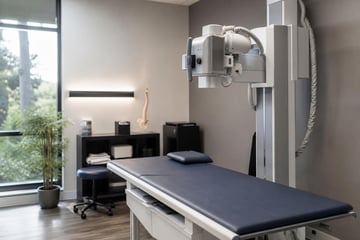
Ski towns and Denver’s dining scene require kitchen equipment that can handle seasonal volume spikes. A restaurant in Breckenridge may do 40 percent of its annual revenue between December and March, which means ovens, walk-in coolers, and dish stations must survive peak load without failure. Rural hospitals and dental practices along the I-70 and I-25 corridors regularly finance imaging machines and patient chairs. Trucking companies moving freight across the Rocky Mountains need reliable rigs, and the altitude and grade put extra wear on transmissions and brakes. Financing preserves cash for fuel and maintenance reserves.
See what you qualify for based on the equipment you need and your business history.
Get a fast decision on your equipment
Applying takes just a few minutes, and decisions can come as soon as the same day.
Start Your ApplicationRates and Terms You Can Expect
Rates vary by credit profile, equipment age and term length. A borrower with strong revenue, two or more years in business, and a credit score in the high 600s or above will typically see the most competitive range. Used equipment older than seven years or with high hours may add a slight premium because the collateral value is lower.
Terms generally run from 24 to 84 months. Shorter terms mean higher monthly payments but less total interest paid. Longer terms improve monthly cash flow but increase the total cost of borrowing. The right term depends on the equipment’s expected revenue generation. A dump truck running five days a week can support a 60-month term. A seasonal piece of equipment, like a snowcat for a private mountain operation, might warrant a shorter term to match the limited months of use.
New vs. Used Equipment: What to Know
New equipment comes with a full manufacturer warranty, zero-hour meters, and generally qualifies for the most favorable financing terms. For a Colorado contractor planning to keep a machine for seven to ten years, buying new eliminates the uncertainty of prior maintenance. You also get the latest emissions controls, which matters in counties with air-quality restrictions along the Front Range.
Used equipment costs less upfront and can be paid off faster, but you need to verify hours, maintenance records, and prior operating environment. A skid steer that spent three winters in a mountain town may have more frame stress from freeze-thaw cycles and magnesium chloride exposure than one operated on the plains. Always request a mechanical inspection on used purchases over $25,000, and ask for the serial number so the lender can verify it is not salvaged or stolen.
The sweet spot for many Colorado buyers is late-model used equipment with less than 3,000 hours. These machines have already absorbed the steepest depreciation but still have years of productive life. Rates on late-model used are often close to new, and the lower acquisition price means you owe less total principal.
Pro Tip: Colorado construction equipment sells best in February and March, before the spring building season starts. Ski resort equipment trades in August and September. If you are buying used, shop counter-seasonally: owners sell excavators in November and December to avoid winter storage and insurance costs, which means better prices for buyers who can store indoors.
Equipment Lease vs. Loan
Choosing between a lease and a loan depends on how long you plan to keep the asset and how you want to treat it for accounting purposes. A loan puts the equipment on your balance sheet and builds equity. A lease is essentially a rental agreement with a purchase option. Both preserve working capital, but the tax and balance-sheet impacts differ.
| Feature | Equipment Loan | Equipment Lease |
|---|---|---|
| Ownership | You own the equipment from day one | Lessor owns; you may buy at end of term |
| Down payment | Often 0% to 20% | First and last payment, or 0% down |
| Term | 2 to 7 years | 12 to 60 months |
| Monthly cost | Higher, but you build equity | Lower, but no equity unless exercised |
| End of term | Free and clear | Return, renew, or buy at fair market value |
| Best for | Long-life assets you plan to keep | Technology or seasonal equipment turnover |
A loan makes sense for a dump truck or wheel loader you plan to run for a decade. You build equity, and the asset still has resale value when the note is paid. A lease works better for equipment that becomes obsolete quickly or serves a short-term contract. If you are not sure which fits your situation, ask your accountant how each structure affects your 2026 tax position.
See what you qualify for
The equipment itself secures the financing, which keeps rates competitive. Checking your options takes minutes.
Check Your OptionsHow to Qualify
Provide Capital looks at three factors: your time in business, your revenue stability, and the equipment value. Most applicants with two or more years in business and verifiable revenue qualify for standard terms. Businesses with less than one year in operation may still qualify with a stronger down payment or co-signer, but options are narrower.
Credit matters, but there is no hard cutoff. A score in the mid-600s and above will access the broadest range of terms. Below that, you may need a larger down payment or select a newer piece of equipment to offset the risk. We do not offer no-credit-check programs, and we never guarantee approval before reviewing an application. Every file is evaluated individually.
Documentation You Will Need
- A signed equipment quote or invoice from the seller
- Three months of recent business bank statements
- Most recent business tax return
- A copy of your driver’s license
- Colorado business registration and applicable sales tax license
Having these documents ready before you apply can shorten the review from days to hours. In many cases, we can issue a same-day decision once the file is complete. If the equipment is from a private seller, we also need a bill of sale and a clear title search to ensure there are no outstanding liens.
By the Numbers: Colorado is home to more than 730,000 small businesses, and 99.5 percent of all Colorado businesses qualify as small. In the construction sector alone, small employers account for 99.1 percent of firms and 77.8 percent of payroll. That means most equipment financing applicants in the state are owner-operators or crews with fewer than 20 employees.
Tax Treatment for the 2026 Tax Year
For the 2026 tax year, Section 179 of the IRS code allows businesses to deduct the full purchase price of qualifying equipment in the year it is placed in service, up to an inflation-adjusted annual limit. The exact dollar cap changes yearly, so confirm the 2026 limit with your CPA before you file. Used equipment qualifies as long as it is new to your business, so a late-model skid steer purchased from a dealer in Grand Junction is eligible.
Bonus depreciation may also apply to new and used equipment in 2026, though the percentage has been phasing down in recent years. If you are considering a large purchase near year-end, ask your accountant whether Section 179 or bonus depreciation gives you the better outcome. The choice depends on your taxable income, the size of the purchase, and whether you plan to generate losses. Lease payments, by contrast, are typically deductible as a business expense each month, which simplifies bookkeeping but does not generate the same first-year deduction.
Because Colorado state tax treatment may differ from federal rules, consult a local CPA who understands both the 2026 IRS limits and the Colorado Department of Revenue requirements. Do not assume that a deduction allowed federally is treated identically at the state level.
Common Mistakes Colorado Buyers Make
One of the costliest errors is buying equipment without accounting for Colorado’s altitude. A standard generator rated for sea level will produce less power at 8,000 feet. If you finance that generator and discover the derating only after delivery, you now own an underpowered asset and still owe the full balance. Always request altitude-adjusted specs in writing before you sign a purchase agreement.
Another mistake is ignoring seasonal cash flow. A landscaping crew in Boulder may generate 70 percent of revenue between April and September. Taking on a fixed monthly payment that assumes year-round income can strain the budget in January and February. Structure your term to match your revenue curve, or build a cash reserve equal to two or three months of payments before you close.
Buyers also forget to factor in transportation. Moving a wheel loader from Denver to Grand Junction adds fuel, permits, and driver costs. If you are buying at auction, get a freight quote before you bid. A $35,000 machine can become a $39,000 machine once it reaches your yard.
Finally, under-insuring equipment in high-risk zones is a problem. Colorado’s mountain counties face elevated wildfire and hail risk. According to a recent Forbes analysis of the Southwest drought economy, extreme weather patterns are already shortening operating seasons for outdoor-recreation businesses and increasing pressure on agricultural water supplies. Lenders require proof of insurance naming them as loss payee, but the minimum coverage the lender requires may not equal the replacement cost. Review your policy limits annually, especially if you operate in the wildland-urban interface.
Key Insight: Lenders require proof of insurance naming them as loss payee, but the minimum coverage they require may not equal the replacement cost of the machine. In Colorado counties with elevated wildfire or hail risk, replacement values can outpace standard policy limits. Review your coverage with an agent who understands commercial equipment, not just a general business policy.
Ready to move forward?
More than 10,000 businesses have financed equipment with Provide Capital. See what you qualify for today.
Get StartedFrequently Asked Questions
Can I finance used equipment in Colorado?
Yes. Provide Capital finances both new and used equipment. Used assets generally need to be less than 10 to 15 years old at the end of the term, and we will verify the serial number and condition before funding. A mechanical inspection is required on most used purchases over $25,000.
How fast can I get approved?
Same-day approvals are possible when your application and supporting documents are complete. Most decisions arrive within 24 to 48 hours. If the equipment is high-demand or the seller requires a quick close, submit your bank statements and equipment quote upfront to avoid delays.
Does my credit score disqualify me?
There is no automatic disqualification based on credit score alone. Lower scores may require a larger down payment or a newer piece of equipment to secure approval. We evaluate the total file, including revenue, time in business, and collateral value.
What equipment can I finance?
We finance business equipment from $5,000 to $5 million. Eligible assets include construction machinery, commercial vehicles, medical and dental equipment, restaurant kitchens, HVAC systems, agricultural implements, and forestry equipment. If the asset generates revenue for your business, it likely qualifies.
Is a down payment required?
Not always. Well-qualified buyers can secure 100 percent financing. If your credit or time in business is limited, a down payment of 10 to 20 percent strengthens the file and may improve your rate.
Can I finance equipment from a private seller?
Yes. We work with dealers, auction houses, and private parties. The process requires a bill of sale, title verification, and a third-party inspection on higher-dollar used purchases. Private-party transactions take slightly longer because title history must be cleared manually.
How does elevation affect equipment financing?
Elevation does not change the financing terms, but it should change the equipment you choose. Specify turbocharged or high-altitude-rated engines for mountain work, and confirm HVAC equipment is rated for the derating that occurs above 5,000 feet. Financing the wrong machine for your altitude is an expensive mistake.
What happens if I pay off the loan early?
Most equipment loans allow early payoff. Ask your specialist about the specific structure before you sign, so you understand whether interest is front-loaded or calculated on the declining balance. Prepayment penalties are uncommon in equipment lending, but the math matters.
Next Steps
If you have a quote in hand or are shopping for your next machine, the next step is to get a decision. Get a same-day decision on your equipment by submitting an application with your equipment quote and recent bank statements. A specialist will review your file, verify the asset, and walk you through the terms before any paperwork is finalized.
Disclaimer: The information provided in this article is for general educational purposes only and is not financial, legal, or tax advice. Funding terms, qualifications, and product availability may vary and are subject to change without notice. Provide Capital does not guarantee approval, rates, or specific outcomes. For personalized information about your business funding options, contact our team directly.