How Equipment Financing Works in Wisconsin
Owner-operators across Wisconsin use equipment financing to acquire machinery without draining operating cash. The lender secures the loan with the equipment itself, which keeps rates competitive and lets businesses preserve their credit lines for payroll, inventory, and emergencies. Provide Capital finances transactions from $5,000 up to $5 million, with same-day approvals possible once the application and supporting documents are in order. Whether you are buying a skid steer in Wausau or a commercial oven in Madison, the structure is the same: you make a down payment, the lender pays the vendor, and you repay over a fixed term while the equipment generates revenue.
Unlike a general business line of credit, an equipment loan is tied to a specific asset. The lender files a UCC lien on the equipment, pays the seller, and you make monthly payments. Because the loan is collateralized, the approval process focuses heavily on the equipment’s value and your ability to service the debt from operating cash flow. Personal guarantees are common, especially for owner-operated businesses, but the primary security is the machine.
Key Insight: Wisconsin lenders see a surge in agricultural equipment applications between February and April, while construction and forestry requests peak in late summer and early fall. Timing your application around these rushes can mean faster turnaround because appraisal networks and vendor invoice queues are shorter.
Get a fast decision on your equipment
Applying takes just a few minutes, and decisions can come as soon as the same day.
Start Your ApplicationIndustries That Rely on Equipment Financing in Wisconsin
Wisconsin’s economy is not uniform. The Fox Valley runs on manufacturing and paper conversion. The Driftless Area depends on dairy and crop operations. The North Woods feeds sawmills and logging crews. Milwaukee and the corridor around Green Bay support healthcare, food service, and HVAC contractors. Each region has distinct equipment needs and seasonal buying patterns. Wisconsin has long been a manufacturing and agriculture-heavy state, a pattern reflected in U.S. Census Bureau data.
Manufacturing and Fabrication
Wisconsin manufacturers often finance CNC machines, press brakes, and welding systems. Because the equipment is specialized, lenders look at the machine’s resale value and the shop’s existing contract backlog. A used fabrication asset can still command strong collateral value if it is under ten years old and from a recognized brand.
Agriculture and Dairy
Dairy operators in Fond du Lac and Monroe counties replace milking parlor components, feed mixers, and manure handling equipment on tight calendars. Crop farms in the southern tier finance tractors, combines, and planters. The equipment is the collateral, so a well-maintained tractor with documented service history qualifies more easily than one bought at auction with missing records.
Forestry and Logging
Northern Wisconsin logging contractors need feller bunchers, skidders, and chipper trucks. These are high-ticket items with long useful lives, which makes them attractive collateral. If you are expanding a logging fleet, Forestry Logging equipment financing can cover both new machines and late-model used units that have remaining warranty hours.
Construction and HVAC
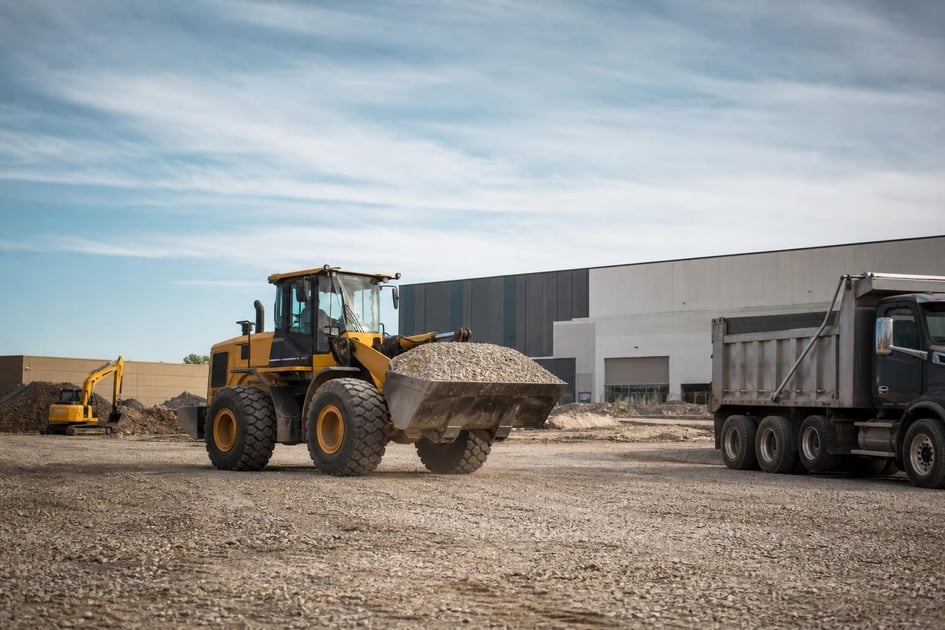
Contractors from Eau Claire to Kenosha finance excavators, Dump Trucks financing, and Skid Steers financing to bid on municipal and commercial projects. HVAC specialists use financing for sheet metal fabrication tools, service vans, and Commercial Hvac System financing when they land multi-unit residential contracts. In each case, the lender evaluates the equipment’s expected life against the loan term to make sure the collateral outlasts the debt.
Restaurants and Food Service
Milwaukee, Madison, and tourist-zone kitchens upgrade to new fryer banks, reach-in freezers, and prep lines. Used equipment is common in this sector, but lenders want to see that the units meet current health and safety codes. A 48-month term on a used exhaust hood is realistic; a 60-month term on a 15-year-old steamer is not.
By the Numbers: A $75,000 used skid steer on a 48-month term might carry a monthly payment in the low-to-mid four figures, while a $200,000 dump truck spread over 60 months typically lands in the mid-to-high four figures. Exact rates vary by credit profile, equipment age and term.
New vs. Used Equipment Considerations
New equipment carries full manufacturer warranty and lower maintenance risk, which lenders like. It also depreciates fastest in the first two years. Used equipment costs less upfront and holds its value more steadily, but lenders may cap the term at the remaining useful life. A five-year-old wheel loader might qualify for 36 or 48 months, while a new one could go to 60 or 72 months. The down payment requirement often stays in the same range—typically 10 to 20 percent—regardless of whether the asset is new or used, though pristine collateral can occasionally qualify for less.
If you are considering a used asset, ask the dealer for a detailed inspection report. Lenders appreciate transparency. A used machine with a recent engine rebuild and new undercarriage can justify a longer term than a neglected unit of the same model year. Similarly, new equipment purchased through an authorized dealer often qualifies for streamlined approval because the invoice price is undisputed and warranty coverage protects collateral value.
Lease vs. Loan: Which Fits Your Wisconsin Operation?
The choice between an equipment lease and an equipment loan depends on who owns the asset at the end, how you want to handle tax deductions, and whether you plan to put heavy hours on the machine. Below is a side-by-side comparison.
| Feature | Equipment Loan | Equipment Lease |
|---|---|---|
| Ownership | You own the asset once final payment clears | Lessor owns the asset; you may have a purchase option |
| Down Payment | Usually 10–20% | Often one or two payments in advance |
| Term | 24–72 months, matched to useful life | 24–60 months, sometimes with seasonal skips |
| Tax Treatment | Interest deduction + depreciation (Section 179/bonus) | Payments typically expensed; confirm structure with your CPA |
| Collateral | The equipment secures the loan | Lessor retains title; less risk to other assets |
| Best For | High-hour use, long-term ownership, equity building | Short-term projects, technology refresh, preserving cash |
Wisconsin contractors who run machines hard through winter often prefer loans because they do not face wear-and-tear penalties. Operators who need technology that evolves quickly—like diagnostic medical equipment—sometimes favor leases. If you have the equipment quote in hand and your last two years of tax returns ready, see what you qualify for today.
What Determines Your Rate and Term
Rates vary by credit profile, equipment age and term. Lenders evaluate the total risk of the deal, not just your personal score.
Credit Profile
A strong credit history unlocks longer terms and lower rates. That does not mean a 600 score disqualifies you; it means the structure changes. A lower score may require a larger down payment, a shorter term, or a stronger cosigner. Lenders also look at business credit, time since any bankruptcy, and whether current trade lines are paid on time.
Equipment Age and Type
Hard assets with long lives and liquid resale markets—Caterpillar dozers, John Deere tractors, Kenworth trucks—finance more easily than niche specialty machines. Age matters because depreciation accelerates. A lender offering 60 months on a new excavator might offer only 36 months on a ten-year-old model. The goal is to keep the loan balance below the collateral value for the entire term.
Time in Business
Two years or more in operation is the standard benchmark. Established businesses with tax returns showing consistent revenue can often finance larger amounts with less documentation. If you have been operating for five years and your last two tax returns show stable or growing income, you are in a strong position.
See what you qualify for
The equipment itself secures the financing, which keeps rates competitive. Checking your options takes minutes.
Check Your OptionsTax Treatment for Wisconsin Buyers in 2026
Tax year 2026 offers several avenues to reduce your net cost on financed equipment. Section 179 allows qualifying businesses to deduct the full purchase price of eligible equipment in the first year, subject to a dollar limit that adjusts annually. For 2026, consult your CPA for the exact limit because it is indexed to inflation and may differ from prior years. Bonus depreciation is also available, though it is phasing down from previous levels. Again, the precise percentage for 2026 depends on current federal schedules, so verify the figure with a tax professional before you model your cash flow.
Wisconsin does not impose a separate state-level equipment tax that alters your federal deduction strategy, but state income tax obligations still interact with your federal depreciation choices. A CPA familiar with Wisconsin manufacturing and agriculture credits can coordinate your Section 179 election with state tax planning. Never let a finance company’s sales pitch substitute for professional tax advice.
Pro Tip: If you finance equipment in November or December, make sure the asset is placed in service before January 1 to claim the deduction for tax year 2026. Delivery delays from a busy vendor can push your tax benefit into the following year.
Qualification Criteria in Detail
Knowing what underwriters want before you apply saves time and prevents surprises. The Small Business Administration classifies equipment loans as a core tool for preserving working capital.
Documentation You Will Need
Expect to provide a completed application, the equipment quote or invoice, your last two years of business tax returns, and a current personal financial statement. For transactions above $150,000, lenders may also request interim financials or a year-to-date profit and loss statement. If the equipment is used, be prepared to share maintenance logs, hour-meter readings, and the serial number for collateral verification.
Credit Score Expectations
There is no universal cutoff. Deals below $100,000 sometimes move with a personal score in the mid-600s if cash flow is strong and the equipment is desirable. Deals above $500,000 generally require stronger credit or a substantial down payment. What matters most is the story: steady revenue, manageable existing debt, and a clear reason for the purchase.
Down Payment and Collateral
The equipment itself is the collateral. That is what keeps rates competitive compared with unsecured credit. Down payments typically range from 10 to 20 percent. If you are buying used equipment from a private party rather than a dealer, the lender may require an independent appraisal to confirm value.
Common Mistakes Wisconsin Buyers Make
One frequent error is buying equipment at auction without checking financing first. Auction purchases often require fast payment, and if your lender needs a week to verify collateral, you lose the deal. Another mistake is overextending on term length to chase a lower payment. A 72-month term on equipment with a five-year useful life leaves you owing money after the machine is worn out. A third mistake is neglecting seasonal cash flow. A dairy farm financing a major upgrade right before winter feed bills arrive may face a tight first quarter. Match your payment schedule to your revenue cycle.
Another pitfall is failing to budget for insurance and freight. A $120,000 machine might cost an additional $3,000 to deliver and $2,000 to insure annually. If your down payment covers only the purchase price, you could face a cash shortfall before the first payment is due. Build those soft costs into your financing request or operating budget from day one.
Worked Cost Examples
Consider a landscaping contractor in the Milwaukee suburbs buying a used skid steer for $65,000. With a 15 percent down payment of $9,750, the financed amount is $55,250. On a 48-month term, the monthly payment might fall in the high three-figure to low four-figure range. Over four years, the contractor builds equity while the machine generates revenue. At the end of the term, the contractor owns a $65,000 asset outright, minus accumulated depreciation, and has preserved bank lines for payroll and fuel. Exact rates vary by credit profile, equipment age and term, but the structure keeps working capital intact.
Now consider a larger scenario. A logging contractor in Rusk County finances a used feller buncher priced at $250,000. With a 20 percent down payment of $50,000, the loan amount is $200,000. Spread over 60 months, the monthly payment lands in the low-to-mid four-figure range. Over five years, the machine harvests enough timber to cover its own cost and build equity. At the end of the term, the contractor owns the asset free and clear. Again, exact rates vary by credit profile, equipment age and term. As Reuters has reported, timely repayment of equipment debt helps smaller firms build credit profiles that unlock larger facilities later.
What Happens After Approval
Once approved, the lender issues a commitment letter outlining the rate, term, payment schedule, and any conditions. You review and sign. The lender then pays the vendor or private seller directly. You take delivery, insure the equipment, and begin payments. Most lenders report to business credit bureaus, so on-time payments strengthen your profile for the next purchase. The entire process, from application to funding, can take as little as one business day when the file is complete.
Ready to move on your next machine? Get a same-day decision on your equipment and keep your cash working in the business.
Ready to move forward?
More than 10,000 businesses have financed equipment with Provide Capital. See what you qualify for today.
Get StartedFrequently Asked Questions
Can I finance used equipment in Wisconsin?
Yes. Used equipment is common in manufacturing, agriculture, and forestry. Lenders look at age, hours, and maintenance records. Well-maintained used assets with documented service history often qualify for competitive terms.
What credit score do I need for equipment financing?
There is no fixed minimum. Transactions under $100,000 sometimes qualify with scores in the mid-600s if cash flow is solid. Larger deals require stronger credit or a larger down payment.
How fast can I get approved?
Same-day approvals are possible when your application, equipment quote, and tax returns are complete. Complex transactions or private-party sales may take a few extra days for collateral verification.
Is the equipment really the only collateral?
In most cases, yes. The lender secures the loan with the machine itself, which is why rates are typically lower than unsecured options. Very large transactions may include additional security.
Can I deduct financed equipment on my 2026 taxes?
Yes, but the structure matters. With a loan, you may be able to take Section 179 and depreciation deductions. With a lease, payments are typically expensed. Consult a CPA for the 2026 limits and how they apply to your situation.
How long do I need to be in business to qualify?
Two years of operating history with tax returns is the standard benchmark. Established businesses with consistent revenue qualify more easily and can often finance larger amounts.
Which Wisconsin industries do you serve?
We finance equipment for construction, healthcare, dental, restaurant and food service, manufacturing, transportation, agriculture, HVAC, and forestry statewide.
Can I pay off my equipment loan early?
Most equipment loans allow early payoff, but terms vary. Some lenders use a simple interest structure with no penalty; others apply a declining prepayment fee. Review your commitment letter before signing.
Next Steps
Equipment financing in Wisconsin works best when you match the right structure to your actual cash flow, tax situation, and equipment lifecycle. Gather your tax returns, equipment quote, and a personal financial statement. Review the comparison table above to decide whether a loan or lease fits your operation. Then talk to a specialist about your specific machine. Whether you need Skid Steers financing for a job site in La Crosse or Dump Trucks financing for a haul contract in Oshkosh, the process starts with a single application. Talk to a specialist about your specific machine and find out what terms are available for your situation.
Disclaimer: The information provided in this article is for general educational purposes only and is not financial, legal, or tax advice. Funding terms, qualifications, and product availability may vary and are subject to change without notice. Provide Capital does not guarantee approval, rates, or specific outcomes. For personalized information about your business funding options, contact our team directly.