Restaurant equipment financing is a secured business loan or lease that uses the equipment itself as collateral. Provide Capital finances new and used food service equipment from $5,000 to $5 million, with same-day approvals possible for qualified buyers. Because the equipment secures the transaction, rates stay competitive and the approval process moves faster than unsecured borrowing. Whether you are opening a second location, replacing a failing reach-in freezer, or building out a ghost kitchen, understanding how the financing works before you shop lets you negotiate with confidence.
What Qualifies as Restaurant Food Service Equipment
Almost every major purchase that keeps a commercial kitchen running can be financed. Lenders categorize restaurant food service equipment into four groups: cooking, refrigeration, preparation, and service.
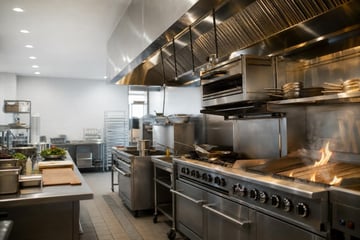
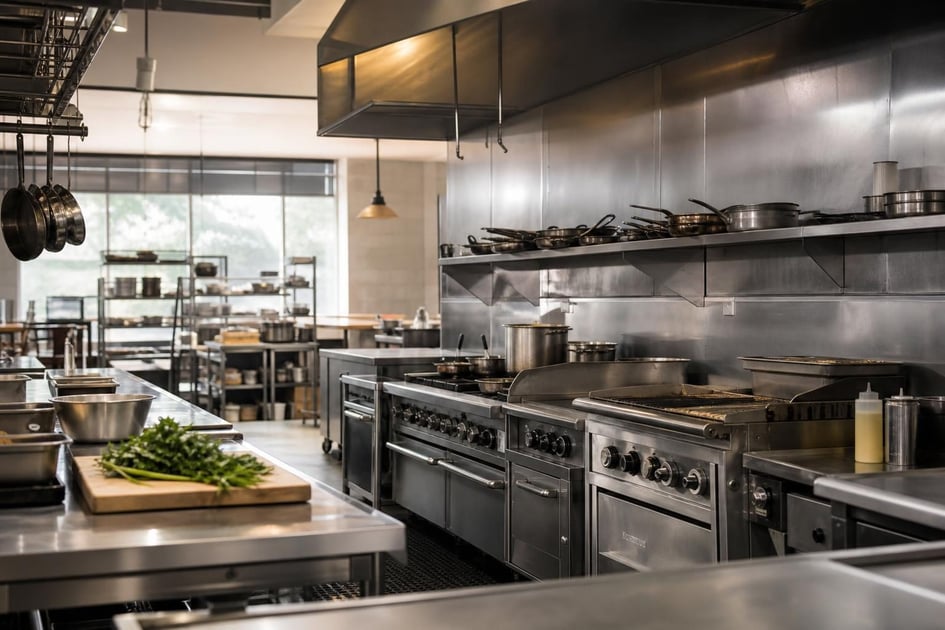
Cooking equipment includes gas and electric ranges, convection ovens, combi ovens, charbroilers, griddles, fryers, and steamers. Refrigeration covers walk-in coolers and freezers, reach-in refrigerators, under-counter units, blast chillers, and ice machines. Preparation equipment encompasses commercial mixers, meat slicers, food processors, prep tables, and shelving. Service equipment includes point-of-sale systems, Self Service Kiosk financing, tables, chairs, and bar fixtures.
Most lenders will also finance the soft costs attached to the purchase, such as delivery, installation, and initial training, as long as those costs roll into the equipment invoice. If you are unsure whether a specific item qualifies, ask your financing specialist before you sign the vendor quote.
Already have a machine in mind?
Provide Capital finances new and used equipment from $5,000 to $5 million, with same-day decisions possible.
Apply NowHow Restaurant Equipment Financing Works
The Application and Decision Timeline
The process starts with a short application and a detailed equipment quote. You will need to provide basic business information, the owner’s credit profile, and the invoice or quote for the equipment you want to buy. For transactions under $150,000, many lenders can issue a decision the same day if the documentation is complete. Larger deals or transactions with complex ownership structures may take two to five business days.
Because the equipment acts as collateral, the lender cares deeply about what you are buying. A new convection oven from a national brand with a strong warranty poses less risk than a twenty-year-old steam table with no service history. That does not mean used equipment is off the table; it simply means the lender will weigh the equipment’s remaining useful life when structuring the term.
See what you qualify for before you shop so you know your budget before talking to vendors.
What Lenders Evaluate
Lenders look at four factors: time in business, credit history, equipment details, and cash flow. A restaurant that has operated profitably for two or more years will generally see the strongest terms, but younger businesses can still qualify if the owner’s credit and cash flow are solid. The equipment’s age, brand, and condition matter because they determine the collateral’s resale value. Finally, the lender will verify that your current revenue can support the new payment without straining operations.
Rates vary by credit profile, equipment age and term. A borrower with strong credit financing a new piece of equipment over three years will see lower rates than a borrower financing a used unit over five years with a thinner credit file. There is no single rate that applies to every deal, and any quote you receive will reflect your specific situation. For a broader overview of small-business funding, see SBA loan programs.
Key Insight: Lenders often file a UCC-1 lien on the specific equipment rather than a blanket lien on all business assets. That means if you pay off the loan early or refinance later, you can clear the lien on just that oven or freezer without untangling your entire balance sheet.
New vs. Used Restaurant Equipment: What to Know
New equipment carries full manufacturer warranties, longer expected lifespans, and easier financing approvals. You also get the latest energy-efficiency ratings, which can lower utility bills over time. The downside is upfront cost and rapid depreciation in the first year.
Used equipment costs less and lets you preserve working capital for labor and inventory. However, financing terms on used equipment are usually shorter—often two to four years instead of five to seven—because the collateral’s remaining useful life is shorter. You also inherit any maintenance issues the previous owner deferred.
| Factor | New Equipment | Used Equipment |
|---|---|---|
| Upfront cost | Higher | Lower |
| Typical financing term | 3–7 years | 2–4 years |
| Warranty coverage | Full manufacturer warranty | Limited or expired |
| Approval ease | Easier; stronger collateral value | More documentation may be required |
| Energy efficiency | Latest standards | Varies by age |
| Resale value at payoff | Higher | Lower |
The right choice depends on your cash position, the equipment’s role in your kitchen, and how long you plan to keep the unit. A brand-new combi oven that runs twelve hours a day may be worth the premium, while a backup reach-in refrigerator for storage might be a smart place to save.
Equipment Loan vs. Equipment Lease
A loan and a lease solve the same problem—getting equipment into your kitchen without paying the full price upfront—but they create different obligations and tax outcomes.
With an equipment loan, you own the equipment from day one. The lender files a lien against it, but you claim depreciation and any available Section 179 deduction. Once you make the final payment, the lender releases the lien and you own the equipment free and clear. Loans usually require a down payment, though some lenders offer zero-down programs for well-qualified borrowers.
With a lease, the lessor owns the equipment and rents it to you for a fixed term. You make monthly payments and either return the equipment, buy it at fair market value, or exercise a nominal purchase option at the end. Leases often have lower monthly payments than loans, which helps cash flow, but you may not build equity unless you execute a buyout.
| Factor | Equipment Loan | Equipment Lease |
|---|---|---|
| Ownership | You own; lender holds lien | Lessor owns; you rent |
| Monthly payment | Higher | Lower |
| Down payment | Often 0–20% | Usually first and last payment |
| Tax treatment | Depreciation and Section 179 | Payment may be deductible as expense |
| End of term | You own it outright | Return, renew, or buy |
| Ideal for | Core equipment you will keep 5+ years | Equipment you may upgrade frequently |
By the Numbers: A $50,000 equipment loan over five years might carry a monthly payment in the low four figures, while a lease on the same equipment over the same term could run 15 to 30 percent less per month. The total cost of ownership usually favors the loan if you keep the equipment past the payoff date, while the lease wins if you plan to upgrade every three years.
Tax Treatment for 2026
Tax year 2026 offers several incentives for restaurant owners who invest in equipment, but the rules shift from year to year. Section 179 allows businesses to deduct the full purchase price of qualifying equipment in the year it is placed in service, up to an annual limit set by Congress. For 2026, consult your CPA for the exact dollar cap and phase-out threshold, because these numbers adjust with inflation and legislative changes.
Bonus depreciation continues to phase down in 2026. The percentage you can claim depends on when the equipment is placed in service during the tax year. Because restaurants often operate on tight margins, the ability to front-load deductions can free up cash for payroll and inventory. However, bonus depreciation and Section 179 interact in specific ways, and taking one can limit the other. Your CPA can model the optimal strategy based on your 2026 taxable income and equipment purchase timeline.
If you lease instead of buy, you generally deduct your lease payments as a business expense rather than depreciating the asset. That simplifies bookkeeping but may yield a different total tax benefit over the life of the agreement. Again, a CPA familiar with restaurant accounting should review your lease structure before you finalize it.
Pro Tip: The IRS requires equipment to be placed in service—not just purchased—to claim Section 179 or bonus depreciation for 2026. If you finance a walk-in cooler in December but the refrigeration contractor cannot install it until January, the deduction shifts to tax year 2027. Coordinate delivery and installation timing with your CPA before you sign the vendor contract.
Find the right financing structure
Tell us about the equipment you need and we will show you the options that fit your business.
See Your OptionsIndustry-Specific Equipment Needs
Full-Service Restaurants
Full-service kitchens need durable cooking lines, ventilation hoods, dishwashing systems, and bar equipment. These are high-use, high-heat environments where downtime costs money during every rush. Financing a complete cooking line can run from $75,000 to over $300,000 depending on seating capacity and menu complexity. U.S. Census Bureau data confirms that restaurants remain one of the largest small-business employer categories nationwide. Because the equipment is specialized, lenders familiar with Restaurant Food Service equipment financing can move faster than generalist banks that do not understand kitchen layouts.
Quick Service and Food Trucks
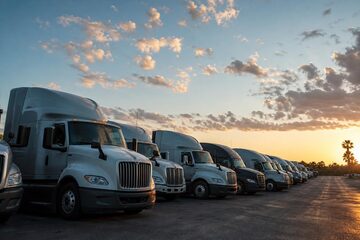
Quick-service restaurants and food trucks prioritize speed, compact footprints, and multi-function equipment. A food truck might finance a griddle, fryer, refrigeration unit, and generator in a single transaction. Space constraints mean every piece must earn its keep, and used equipment is common because the mobile environment accelerates wear. Food Truck financing specialists understand that your equipment is both your production facility and your storefront, so the collateral evaluation includes the entire build-out.
Catering and Ghost Kitchens
Catering operations and ghost kitchens focus on prep volume rather than front-of-house service. They need large-capacity mixers, sheet pan racks, holding cabinets, and packaging equipment. Delivery-only kitchens also need integration with online ordering platforms, which may include tablets, receipt printers, and routing software. Because these businesses often run multiple virtual brands from one kitchen, they may finance several equipment packages in a single year.
Common Mistakes When Financing Kitchen Equipment
One of the most expensive mistakes is sizing equipment to your current volume without planning for growth. A six-burner range might handle tonight’s covers, but if you add brunch service next quarter, you will be back in the market for a second unit while still paying off the first. Buy for the volume you plan to serve eighteen months from now, not the volume you served last month.
Another mistake is ignoring installation, delivery, and utility hook-up costs. A $30,000 oven can become a $38,000 project after ventilation modifications, gas line work, and electrical upgrades. Business publications including Forbes regularly document how restaurant owners who underestimate soft costs end up draining working capital right before peak season. If those soft costs are not included in your financing, you will pay them out of pocket at the worst possible time—right before a busy season.
Some owners fixate on the monthly payment and stretch the term to seven years on equipment that will last five. You end up making payments on a dead asset, and if you try to sell or trade it early, you may owe more than it is worth. Match the term to the equipment’s realistic lifespan.
Finally, do not assume that every vendor accepts every financing program. Confirm that your lender can pay the vendor directly, and ask whether the vendor offers any manufacturer-sponsored financing that you can compare against your lender’s offer. Food Service Equipment financing through a specialist lender often beats captive finance programs on rate and flexibility, but you should compare both.
Pro Tip: Always request a total cost of ownership worksheet from your vendor before you finance. It should include estimated annual maintenance, energy consumption, and expected lifespan. A cheaper unit that consumes 30 percent more electricity and needs quarterly service calls can cost more over five years than a premium unit with a higher sticker price.
What Documentation You Need
Preparing your paperwork before you apply speeds up approval and reduces back-and-forth. Most lenders will ask for the following:
- A completed application with business and owner information
- One to two years of business tax returns
- Three to six months of business bank statements
- A detailed equipment quote or invoice from the vendor
- A copy of your business license or articles of incorporation
- A voided business check for automated payment setup
For larger transactions or newer businesses, the lender may also request a current profit-and-loss statement, a balance sheet, and a brief explanation of how the equipment will increase revenue or reduce costs. If you are buying used equipment, be ready to provide photos, service records, and the serial number so the lender can verify the collateral’s value.
Having these documents organized before you apply can mean the difference between a same-day approval and a week of delays. If your books are not current, update them before you start the process.
What Happens After Approval
Once approved, the lender will issue a term sheet or finance agreement outlining the payment schedule, any fees, and the collateral description. Review it carefully. If the terms match your expectations, you sign and return the documents. The lender then pays the vendor directly, or in some cases issues a check made out to both you and the vendor.
You take possession of the equipment, install it, and put it into service. The lender files a UCC lien against the equipment, which becomes public record. Your first payment is usually due thirty days after funding, though some lenders offer a sixty- or ninety-day deferred first payment to help with cash flow during the ramp-up period.
After you make the final payment, the lender releases the lien and sends you a lien-release letter. Keep that letter with your permanent records. If you ever sell the business, a clean title on your financed equipment makes due diligence smoother for the buyer.
Get a same-day decision on your equipment and move from quote to kitchen faster.
Ready to move forward?
More than 10,000 businesses have financed equipment with Provide Capital. See what you qualify for today.
Get StartedFrequently Asked Questions
Can I finance used restaurant equipment?
Yes. Provide Capital finances both new and used equipment. Used equipment may carry a shorter term and require more documentation, such as photos and service records, but it is absolutely eligible.
What credit score do I need to qualify?
There is no hard minimum. Strong credit opens the door to the best rates and longest terms, but owners with challenged credit can still qualify if the business cash flow and equipment value support the deal. Rates vary by credit profile, equipment age and term.
How long are restaurant equipment loan terms?
Terms typically range from two to seven years, depending on the equipment’s expected useful life and the borrower’s qualifications. New heavy cooking equipment might qualify for a five- to seven-year term, while a used under-counter refrigerator might be capped at three years.
Is a down payment required?
Not always. Well-qualified borrowers can often finance 100 percent of the equipment cost, including soft costs like delivery and installation. If a down payment is required, it usually ranges from 10 to 20 percent of the purchase price.
Can I finance equipment for a food truck?
Yes. Food trucks are a distinct segment within restaurant food service financing. The lender will evaluate the truck itself along with the cooking and refrigeration equipment inside it. You can often wrap the vehicle and the kitchen build-out into a single transaction.
How fast can I get funded?
Same-day approvals are possible for smaller transactions with complete documentation. Larger deals or transactions requiring additional verification may take two to five business days from application to funding.
Does the equipment need to come from a dealer?
No, but it helps. Private-party sales can be financed, though the lender may require an independent appraisal or inspection. Dealer purchases are simpler because the vendor can provide a formal invoice and usually has a relationship with the lender.
Can I include installation and delivery in the financing?
In most cases, yes. Soft costs that appear on the same invoice as the equipment can usually be rolled into the loan or lease. Standalone installation contracts from third parties may need to be handled separately.
Ready to Finance Your Kitchen Equipment?
Restaurant equipment financing is one of the most straightforward ways to preserve working capital while building a kitchen that can handle your menu and your volume. The equipment itself secures the deal, which keeps rates competitive and lets you move fast when a good opportunity appears. Whether you need a single convection oven or a full-line build-out, the key is to line up your financing before you commit to a vendor so you can negotiate from a position of strength.
Provide Capital serves restaurants, food trucks, caterers, and ghost kitchens nationwide, financing equipment from $5,000 up to $5 million. Talk to a specialist about your specific machine and get a decision that lets you keep your focus on the kitchen.
Disclaimer: The information provided in this article is for general educational purposes only and is not financial, legal, or tax advice. Funding terms, qualifications, and product availability may vary and are subject to change without notice. Provide Capital does not guarantee approval, rates, or specific outcomes. For personalized information about your business funding options, contact our team directly.