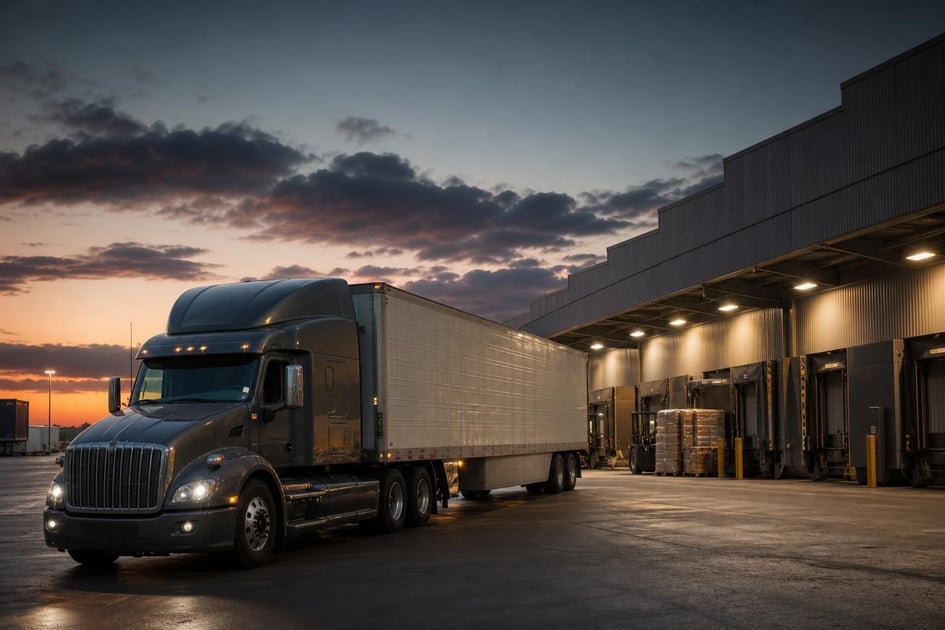
Transportation equipment financing rates vary by credit profile, equipment age and term. Whether you are adding a single dry van or expanding a fleet with heavy-duty tractors, understanding what drives your rate helps you borrow smarter and avoid surprises at signing.
Provide Capital finances new and used business equipment from $5,000 to $5 million, including box trucks, dump trucks, bucket trucks, refrigerated vans and flatbeds. Same-day approvals are possible when your documentation is complete.
What Drives Transportation Equipment Financing Rates
Three factors control the rate you are offered: credit quality, equipment age and loan term.
Credit quality. Lenders look at your personal credit, business credit if it exists, and any prior equipment financing history. A strong profile unlocks longer terms and lower rates. Challenges in your history do not automatically disqualify you, but they may shorten the term or require a larger down payment.
Equipment age. New trucks and trailers command the best rates because the collateral holds value longer. Used equipment financing is widely available, but rates step up as the unit ages. Most lenders prefer to finance used equipment that is no more than 10 to 15 years old at the end of the term.
Loan term. Shorter terms carry lower rates but higher monthly payments. Transportation equipment loans typically run 24 to 72 months. Stretching to 84 months is possible on high-dollar units, though the total interest paid rises.
The lender also considers the equipment type. A highway tractor with a documented maintenance history is easier to collateralize than a customized wrecking bed with limited resale data.
Key Insight: As Forbes reports, many equipment financing structures can cover 100% of the project, including soft costs. Freight, delivery, upfitting and installation can add 8% to 12% to the total project cost. Ask your lender whether those costs can be rolled into the financing so you do not drain operating cash before the first load is hauled.
Already have a machine in mind?
Provide Capital finances new and used equipment from $5,000 to $5 million, with same-day decisions possible.
Apply NowNew vs. Used Equipment: How Age Affects Your Rate
New trucks arrive with manufacturer warranties, predictable maintenance schedules and the strongest resale values. Lenders price that certainty into lower rates. If you are buying new, expect the most aggressive terms and the longest amortization.
Used equipment is where many owner-operators find the best value. A three-year-old sleeper tractor with 400,000 miles often costs 40% less than new but still holds enough value to secure attractive financing. The sweet spot for used transportation equipment is typically two to seven years old. Beyond ten years, lenders may reduce the advance rate or shorten the term.
When evaluating a used truck, the lender will request a physical inspection or a qualified appraisal. They want confirmation that the engine, transmission and aftertreatment systems are in working order. A clean DOT inspection history helps your case.
Depreciation also plays a role in the decision. New equipment depreciates fastest in the first two years. Buying used lets someone else absorb that initial drop, but you may face higher maintenance reserves. Balance the lower monthly payment against the risk of out-of-warranty repairs.
Lease vs. Loan: A Side-by-Side Comparison
Owner-operators often wonder whether to lease or finance. The right choice depends on how many miles you drive, how long you plan to keep the unit, and whether you want to claim depreciation.
With a loan, you own the equipment at the end of the term. You can claim Section 179 and bonus depreciation on a qualifying purchase for the 2026 tax year, though you should confirm the exact limits with your CPA. Loans build equity and leave you free to modify the truck for specialized freight.
With a lease, you return the equipment at the end of the term or buy it for the residual. Monthly payments are often lower, preserving cash flow for fuel, insurance and permits. Leasing works well if you want to upgrade every three to five years to avoid major repair risk.
| Factor | Equipment Loan | Equipment Lease |
|---|---|---|
| Ownership | You own it outright after final payment | You return or purchase at residual |
| Tax treatment for 2026 | Depreciation and Section 179 may apply; consult your CPA | Payments may be deductible as operating expense; consult your CPA |
| Monthly payment | Higher than lease in most cases | Lower, improving monthly cash flow |
| Mileage limits | None | Often restricted |
| Custom upfitting | Unlimited | Usually prohibited or must be removed |
| End-of-term | Title and equity are yours | Residual buyout or walk away |
If you drive more than 100,000 miles per year or plan to haul specialized loads that require custom bodies, a loan usually wins. If you prefer predictable turnover and minimal repair exposure, a lease deserves a look.
By the Numbers: The U.S. Census Bureau reports that trucks haul roughly 68% of total freight tonnage in the United States. That volume translates to heavy wear cycles and shorter replacement timelines, which is why many fleet managers finance on 48-month terms even when 72 months is available—paying off the unit before major drivetrain overhauls become likely.
Tax Treatment for the 2026 Tax Year
For the 2026 tax year, the Internal Revenue Code allows businesses to deduct qualifying equipment purchases through Section 179 and bonus depreciation. Section 179 lets you expense the full cost of eligible equipment up to an annual limit, while bonus depreciation allows an additional first-year deduction on the remaining basis.
Because inflation adjustments and legislative changes can shift these limits year to year, we do not state a specific dollar ceiling here. Speak with your CPA before you sign a purchase agreement to confirm the 2026 limits and whether your equipment qualifies. The deduction is subject to taxable income limitations and phase-outs that vary by business structure.
Used equipment qualifies for both Section 179 and bonus depreciation as long as it is new to you. The equipment must be placed in service during the 2026 tax year. If you finance the purchase, you can still take the deduction even though you have not paid the full cash price upfront.
Keep in mind that states do not always conform to federal depreciation rules. If you operate across state lines, your CPA should model the state-by-state impact before you decide between a loan and a lease.
Who Qualifies and What Lenders Actually Review
You do not need perfect credit to secure transportation equipment financing. Lenders evaluate the full picture: your credit score, time in business, revenue stability and the equipment itself.
Most equipment lenders prefer two or more years in business, but first-time owner-operators can still qualify with a stronger down payment or a co-signer. Revenue documentation usually includes three months of bank statements and your most recent tax return. If you are a carrier hauling under your own authority, be ready to show your MC authority letter and proof of insurance. The SBA 7(a) loan program is another path some owner-operators explore, though specialized equipment lenders often move faster on collateral-backed deals.
The equipment matters as much as the borrower. Lenders want to know the year, make, model, VIN, mileage and seller information. They also verify that the title is clean and that no undisclosed liens exist. A purchase order or bill of sale speeds the process.
For loans above $150,000, expect additional scrutiny. The lender may request a debt-service coverage ratio calculation or a personal financial statement. The equipment serves as collateral, which reduces the lender's risk and allows more flexible underwriting than an unsecured line of credit.
Pro Tip: December and January are the busiest months for equipment financing applications. Lenders process volume quickly, but appraisers and title services slow down around the holidays. If you want a same-day decision, apply in October or November and have your equipment spec sheet and seller contact ready before you click submit.
Industry-Specific Equipment and Buying Patterns
Transportation is not one-size-fits-all. The equipment you need depends on the freight you haul, and buying patterns follow seasonal demand.
Dry van and refrigerated trailers see strongest demand before the holiday peak. Owner-operators who finance reefers in late summer can often negotiate better seller prices and lock in financing before fourth-quarter volume clogs lender pipelines.
Flatbeds and step decks follow construction cycles. In the Midwest and Southeast, demand rises when building season opens in March and April. Financing a flatbed in February gives you time to outfit tie-downs and tarps before the rush.
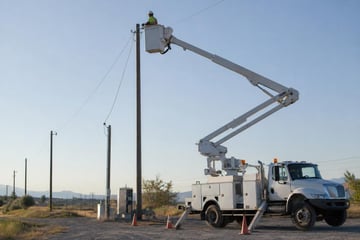
Dump trucks and bucket trucks serve specialized niches. If you are expanding into utility work or local hauling, Dump Trucks financing and Bucket Trucks financing are structured similarly to highway tractors, though terms may be shorter on trucks with heavier wear profiles.
Forestry and agricultural trucks face seasonal cash flow swings. Lenders understand this and can structure payments to match your harvest or logging season. Ask about skip-payment structures if your revenue concentrates in specific quarters.
Provide Capital serves these niches nationwide. Our Transportation equipment financing programs cover everything from light-duty box trucks to heavy-haul tractors.
Find the right financing structure
Tell us about the equipment you need and we will show you the options that fit your business.
See Your OptionsCommon Mistakes Owner-Operators Make
The biggest mistake is shopping for the truck before shopping for the financing. When you find the perfect unit and need to move in 48 hours, you lose leverage. Get pre-qualified so you know your budget and can negotiate as a cash buyer.
Another error is ignoring the total cost of ownership. A low monthly payment stretched over 84 months looks attractive, but you may owe more than the truck is worth for years. If you replace equipment every five to six years, match your term to your expected ownership cycle.
Some borrowers also fail to verify title status. A salvage title or an outstanding lien on a used truck can derail closing at the last minute. Run a title check before you pay a deposit.
Finally, do not assume your local bank is your only option. Traditional banks often move slowly and decline deals on used equipment or single-truck operations. A lender that specializes in equipment financing understands collateral values and can often approve deals that banks reject.
The Documentation You'll Need Ready
Speed matters. Same-day approvals are possible when your file is complete. Gather these items before you apply:
- Driver's license and voided business check
- Three months of business bank statements
- Most recent business tax return
- Equipment quote, listing or purchase order with year, make, model, VIN and seller contact
- Proof of insurance binder naming the lender as loss payee
- MC authority letter or DOT number if you operate under your own authority
- Personal financial statement for loans above $250,000
If you are buying from a private party rather than a dealer, the lender will also need a bill of sale and may require an independent appraisal. Dealer purchases are simpler because the seller handles title transfer paperwork regularly.
Organize these documents in a single PDF. Lenders review files in the order they arrive, and a complete package skips the back-and-forth that delays approvals.
If your paperwork is already organized, talk to a specialist about your specific machine and move straight to underwriting.
What Happens After You Apply
Once you submit your application and documents, the underwriting process begins. For transactions under $150,000, automated decisioning can return an answer within hours. Larger deals or challenged credit profiles go to a manual review that may take 24 to 48 hours.
After approval, you receive a term sheet outlining the advance amount, term, payment and any conditions. Read it carefully. Look for prepayment penalties, documentation fees and whether the payment is fixed or variable.
If you accept, the lender issues a purchase order or funds the seller directly. You take delivery, and the lender files a UCC-1 lien against the equipment. Your first payment is typically due 30 to 45 days later.
Throughout the term, the lender remains listed as loss payee on your insurance. If you sell the equipment before the loan is paid off, you must satisfy the lien first. Most lenders will provide a payoff quote within one business day.
Key Insight: A same-day approval does not mean same-day funding. The approval is a credit decision; funding requires signed documents, verified insurance and a clean title. On dealer purchases, this usually takes 24 to 48 hours. Private-party sales can stretch to five business days if the seller has a delayed title or an outstanding loan to satisfy.
How to Lock In the Best Rate
Financing rates are not set in stone. Owner-operators who treat the application like a job interview usually walk away with better terms.
Start by pulling your own credit report before the lender does. Look for errors, outstanding collections or high utilization that you can pay down. Even a 20-point improvement can move you into a better pricing tier. If your business credit file is thin, consider opening a net-30 account with a parts supplier or fuel card provider and paying it on time for a few months before you apply.
Next, choose equipment with strong resale data. Lenders price risk into the rate. A Freightliner Cascadia or Peterbilt 579 with a documented service history is easier to collateralize than a rare import with no comparable sales. Stick to name brands and avoid over-customization unless the modification is standard for your niche.
Finally, bring a complete file. A lender who has to chase down bank statements or equipment specs loses confidence. A complete package signals that you run your business professionally, and underwriters often reward that with faster approvals and sharper pricing.
Put the right equipment to work
From $5,000 to $5 million, new or used, Provide Capital helps businesses nationwide finance the equipment they need.
Apply TodayFAQ
What credit score do I need for transportation equipment financing?
There is no hard cutoff. Strong credit unlocks the best rates and longest terms, but owner-operators with scores in the low 600s regularly qualify with a larger down payment or shorter term. The equipment collateral reduces lender risk, which opens the door for a wider range of credit profiles than unsecured financing.
Can I finance a truck with over 500,000 miles?
Yes, if the unit is less than 10 to 15 years old and passes inspection. High mileage is common in over-the-road tractors. Lenders focus on overall condition, maintenance records and the unit's appraised value. A well-maintained truck with 600,000 miles can be a better collateral than a neglected truck with 300,000.
Is a down payment required?
Not always. Many equipment finance deals are structured with zero down. However, a down payment lowers your monthly obligation and may improve the rate. If you are buying a used truck from a private seller, expect the lender to advance 85% to 100% of the appraised value or sale price, whichever is lower.
How does financing affect my 2026 taxes?
If you purchase with a loan and place the equipment in service during the 2026 tax year, you may be eligible for Section 179 and bonus depreciation. The exact limits depend on current IRS guidance for 2026. Talk to your CPA before you buy so you can time the purchase and structure the deal correctly.
Can I finance soft costs like delivery and upfitting?
Often, yes. Many lenders allow freight, delivery, installation and upfitting to be included in the financed amount, typically up to a percentage cap. Rolling these costs in preserves working capital. Ask your financing specialist for the specific limits on your transaction.
What is the difference between a direct loan and a finance lease?
A direct loan puts the title in your name immediately, with the lender holding a lien. A finance lease keeps the title with the lessor until you exercise a purchase option at the end. Both let you deduct payments or depreciation, but the tax treatment differs. Your CPA can advise which structure fits your 2026 tax strategy.
Can I pay off the loan early?
Most equipment loans allow early payoff, but some carry a prepayment penalty or minimum interest clause. Review your term sheet before signing. If you plan to flip equipment quickly or expect a large cash influx, negotiate the prepayment terms upfront.
How fast can I get funded?
Same-day approvals are possible when your credit and documentation are in order. Funding typically follows within one to three business days for dealer purchases. Private-party transactions may take longer if title work is required.
Ready to Finance Your Next Truck?
Transportation equipment financing rates reward preparation. Know your credit, know your equipment and have your documents ready before you shop. The best deals go to borrowers who treat financing as part of the purchase strategy, not an afterthought.
If you are ready to add a truck or trailer to your fleet, see what you qualify for today. A specialist can review your scenario, run the numbers on new versus used and help you structure a payment that matches your revenue cycle.
For owner-operators hauling across state lines or running local routes, the right equipment is the difference between profit and downtime. Get a same-day decision on your equipment and keep your fleet moving.
Disclaimer: The information provided in this article is for general educational purposes only and is not financial, legal, or tax advice. Funding terms, qualifications, and product availability may vary and are subject to change without notice. Provide Capital does not guarantee approval, rates, or specific outcomes. For personalized information about your business funding options, contact our team directly.